
Science-based addiction treatment in Kentucky and the nation must drive our policies | Opinion
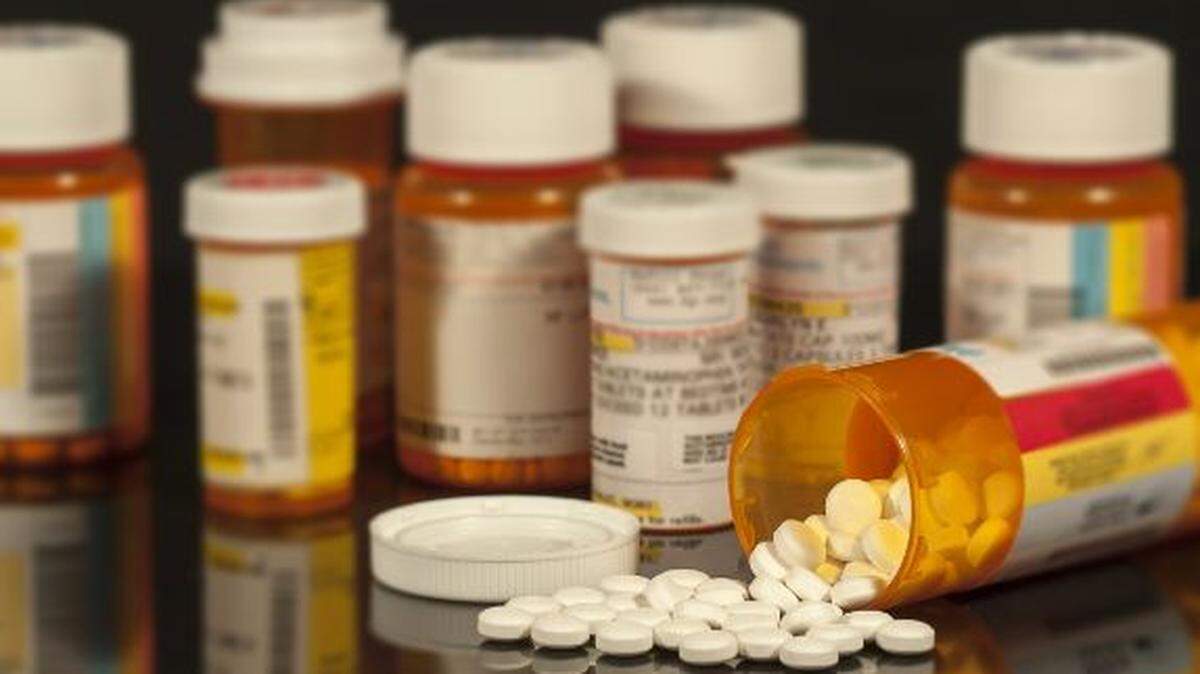
When you’re sick, you go to the doctor.
When you have a life-threatening disease, you get medical treatments to save your life.
When you have opioid use disorder (OUD), you can hit a brick wall, because America’s healthcare systems cannot always deliver the care you need.
This is true for several reasons, including stigma, a lack of understanding that addiction is a treatable, chronic medical disease, and an array of restrictive policies and practices, including federal legal barriers that prohibit your state from providing access to one (i.e., methadone) of three OUD medications through prescriptions dispensed from your nearby pharmacy.
In the era of high-potency synthetic opioids, like fentanyl, expanding access to life-saving medications for OUD, particularly methadone and buprenorphine, is critical. Both medications are associated with reduced mortality in people with OUD. They help doctors treat addiction and save lives at a time when opioid-involved overdose deaths are near historic highs. While the latest statistics show the first nationwide drop in overdose deaths in 5 years and an even bigger drop in Kentucky, many states are actually recording significant increases, and Black and Indigenous Americans are still disproportionately more likely to die from an opioid overdose.
Illicitly manufactured synthetic opioids can be much more powerful—and deadlier—than heroin and are flooding our communities. Since opioid withdrawal is so excruciating, people with untreated OUD often seek out illicit opioids to prevent pain — both physical and emotional— even when they want to stop using them.
In contrast, methadone and buprenorphine are proven to help people with OUD manage their disease and be part of the recovery process. New research out of Kentucky, recently published in the Journal of Addiction Medicine, suggests that higher doses of buprenorphine are associated with reduced opioid-involved overdose deaths and death from other causes. Relatedly, methadone may be needed for patients who don’t respond well to buprenorphine. Yet, physicians, even those who are experts in treating addiction, are not always trusted to make appropriate clinical decisions when it comes to these medications.
Unfortunately, despite the recent elimination of a registration requirement for prescribing buprenorphine for OUD, buprenorphine continues to be hindered by burdensome policies, such as non-evidence-based state regulations and unnecessary prior authorization requirements by insurers, even on injectable formulations that cannot be diverted by patients. All these hurdles impede timely access to buprenorphine for OUD and fuel our overdose crisis.
Similarly, methadone’s potential is limited by a 50-year-old federal law that is preventing regulators from even trying to increase access to it through prescriptions dispensed from community pharmacies — an approach that has been used successfully in other countries for decades. Consequently, patients who need methadone for OUD must visit one of approximately 2,100 opioid treatment programs (OTPs) in the United States to get their medicine, and for those who can access an OTP, it can still be difficult for some to stay in methadone treatment and maintain their recovery. While OTPs play an important role in the addiction treatment continuum, it’s past time for Congress to pass federal legislation that would empower federal and state regulators to determine how best to access methadone prescribed by addiction specialist physicians for OUD through local pharmacies, which overwhelmingly outnumber OTPs.
Tragically, concerns around methadone and buprenorphine diversion tend to slow necessary reforms. While diversion concerns must be considered and appropriately addressed, they should represent only one aspect of our national conversation when it comes to life-saving medications for OUD, not dominate it.
Outdated laws, regulations, and policies governing both buprenorphine and methadone for OUD are failing to meet the moment—and worse, are exacerbating the deadliest overdose crisis in American history.
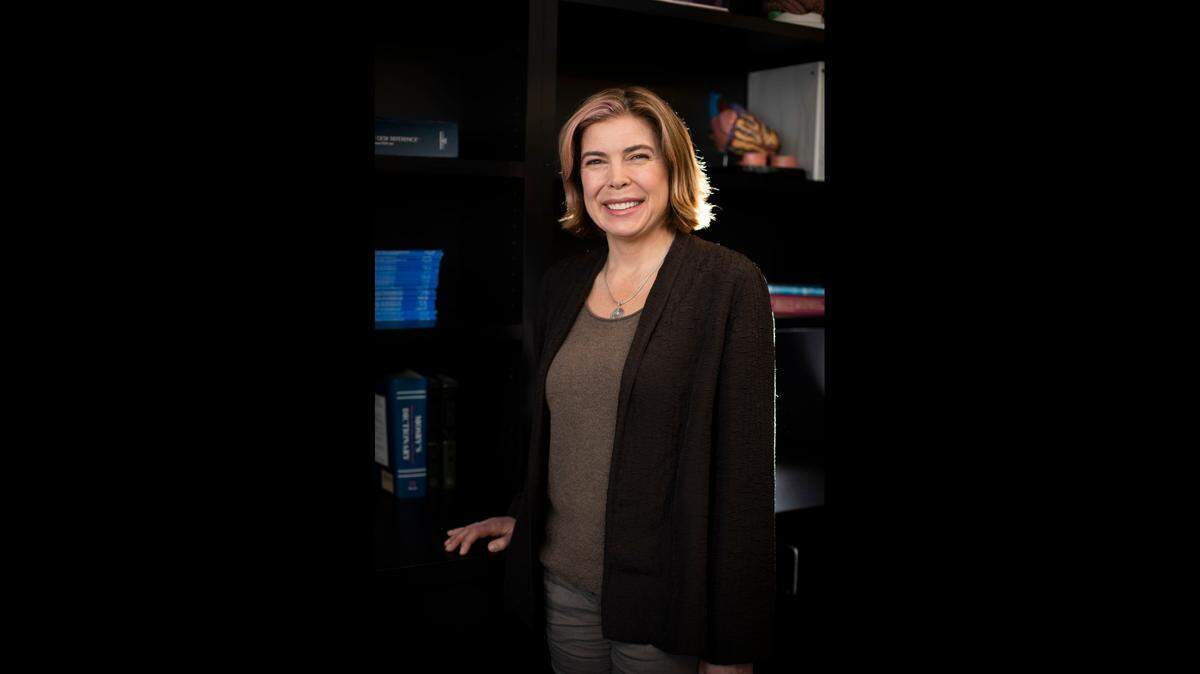
Dr. Michelle Lofwall is board-certified in psychiatry and addiction medicine. She is a professor of behavioral science and psychiatry and the Bell Alcohol and Addictions Chair at the University of Kentucky College of Medicine. The views expressed herein are those of Dr. Lofwall and do not necessarily represent the views of the University of Kentucky.