
Kentucky abortion laws made my miscarriage more dangerous than it had to be | Opinion
Driving northeast from my home state of Kentucky, each bump in the interstate sent a jolt of pain through my abdomen.
I was moving to Massachusetts with my husband, our Great Dane, and two family members willing to drive a moving truck packed with everything we owned. My husband and I were relocating for medical fellowships in Boston. As an emergency medicine physician myself, I traced my pelvic pain to its source: my uterus and my recent miscarriage for which I had not received adequate care. I had been denied mifepristone.
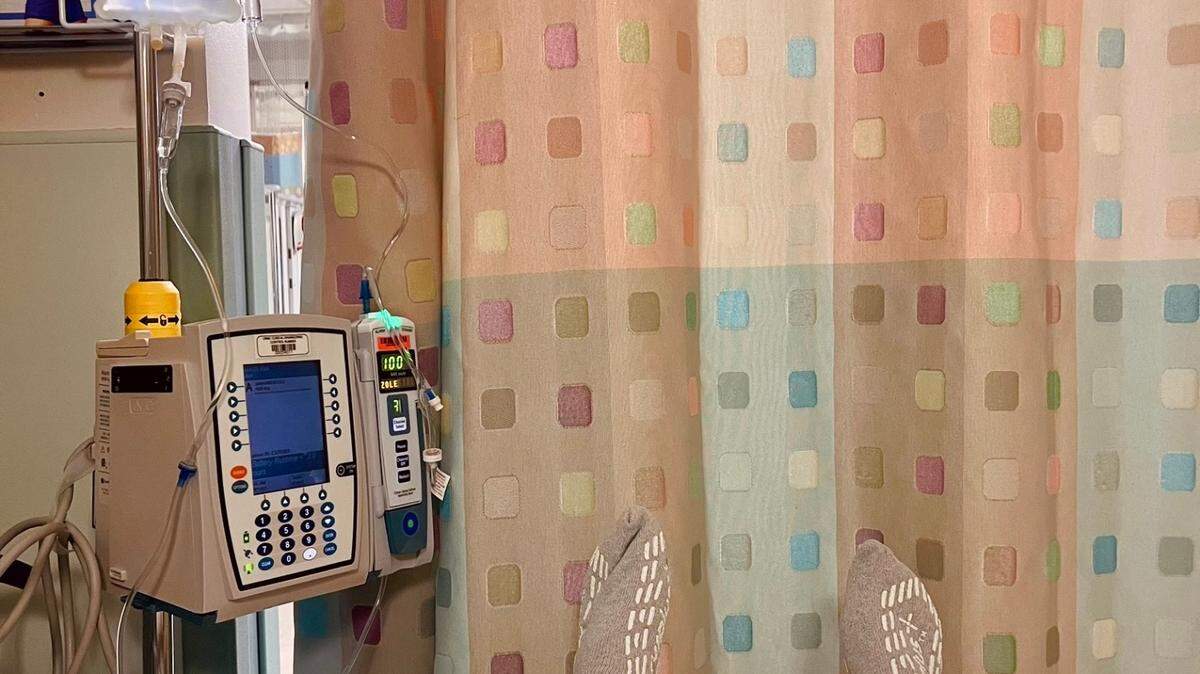
In upstate New York it became excruciating. I became febrile and struggled to even stand due to the pain burning through my abdomen and my lower back. We sped to an emergency department where an OB-GYN resident delivered the words I knew would come: “retained products of fetal development,” and “septic.” I would be admitted for emergency surgery under anesthesia and IV antibiotics, 600 miles from my hometown. My dog was in a hotel and my U-Haul in the parking lot.
One thought kept running through my mind: “Would I be here if I received mifepristone?”
After a hospital admission, emergency surgery, and months of researching mifepristone access, two things are clear: my miscarriage was more dangerous in Kentucky than it would have been in Massachusetts. And across the U.S., anti-abortion politics are making miscarriages more dangerous than they need to be.

Celebrating
Two months before the move, my husband and I celebrated a “pregnant” result on an at-home test. However, subsequent ultrasounds with my OB revealed the pregnancy was not progressing. It was a miscarriage. We were devastated.
My OB prescribed the medications for miscarriages that don’t pass on their own: misoprostol to expel the pregnancy and mifepristone to block pregnancy hormones, though she warned me I might have trouble getting mifepristone.
Indeed, the pharmacist could not dispense it. After hours of phone calls, my OB determined (due to Kentucky laws and federal regulations on mifepristone) she could only dispense it in the office, requiring another visit. By then, the office was closed and I could not see the OB again for two weeks. When I started spotting a week later, she recommended I take misoprostol and hope for the best.
The bleeding was like a heavy period at first. Unfortunately, without the mifepristone to block my pregnancy hormones, my body tried to support any remaining pregnancy tissue. I kept in touch with my doctor, planning to recheck the ultrasound after the bleeding stopped.
The bleeding never stopped.
In the passenger seat leaving Kentucky, I was Googling “Boston OB-GYNs” when the pain began.
Too much regulation
Based on decades of research, the American College of Obstetricians and Gynecology deem mifepristone as essential for miscarriage management. It improves misoprostol’s success rates, reduces the need for surgery, and does not significantly increase risk to the patient.
A recent large trial demonstrated that adding mifepristone to misoprostol for miscarriage treatment decreased treatment failure from 17.5% to 5.7%. It also decreased surgery rates from 14.6% to only 5.7%, saving costs and resources. My hospital bill for surgery and admission was $18,673.68 before insurance. Preventing surgeries with mifepristone would save a staggering amount at the population level.
Despite its safety and efficacy, mifepristone is uniquely regulated. The Mifepristone Risk Evaluation and Mitigation Strategy Program requires prescribers to first apply to the FDA for certification, then see the patient, complete forms with them, then hand the medication to the patient. During the COVID-19 pandemic, in-person requirements were relaxed, so patients could see providers by telehealth and receive mifepristone from certified pharmacies. In Kentucky, relaxing in-person requirements would be crucial to rural patients, as 60% of Kentucky counties had no OB-GYN in 2021. Patients often wait four months for appointments two hours from home.
In practice, however, mifepristone access remains entangled in abortion politics. Though the Kentucky Attorney General’s office has provided guidance that miscarriage treatment remains legal, the abortion ban that went into effect in 2022 does not explicitly state that miscarriage care is permitted. For providers of miscarriage care who are not familiar with digging into legal documents, this question of legality can delay care as it did in my case.
The use of telehealth to induce an abortion is illegal under Kentucky law, with no clear protection for telehealth use in miscarriage treatment. Furthermore, certified pharmacies are rare, in part due to the actions of former Kentucky Attorney General Daniel Cameron. When CVS and Walgreens became certified to dispense mifepristone earlier this year, he warned them against sending “abortion drugs” into the state, without acknowledging mifepristone’s use for miscarriage care.
As a physician, I want to be clear: the treatment of miscarriage is legal in Kentucky, even amid our restrictive abortion ban. Physicians can and must provide miscarriage care, including mifepristone, misoprostol, and surgical procedures.
But we also must address unnecessary FDA regulations and state laws delaying miscarriage care, endangering women, and risking our fertility. In first-trimester medical emergencies, a week of navigating this system can mean the difference between safely taking medications and facing complications like sepsis, uterine scarring, and infertility.
As a doctor, patient, and Kentuckian, I have to believe that reasonable people on both sides of the abortion issue would not want abortion laws to harm women experiencing miscarriages. We must elect leaders willing to confront the complexities of miscarriage care in abortion legislation. Until then, preventable complications will continue to send women to ORs far from home, with no one at their bedside but obstetricians who wish they could have done more.
Dr. Murphy is an emergency medicine physician at Massachusetts General Hospital, a Harvard Health Policy and Social Emergency Medicine Research Fellow, and a graduate student at the Harvard Kennedy School of Government.
This story was originally published October 2, 2024 at 6:00 AM.