
Professor’s op-ed wrongly dismisses school choice’s impact on Florida’s public schools | Opinion
Michigan State University Professor Josh Cowen in a recent Herald-Leader op-ed disputes the impact of school choice on Florida’s public education system. He also challenges Bluegrass Institute claims regarding the positive impact that education choice could have on Kentucky schools’ performance.
“School voucher schemes defund public schools, devastate student learning, and discriminate against vulnerable children,” Cowen claims. “Who do they help? Mostly kids who were already in private school to start.”
But the facts don’t support Cowen’s allegations.
In 1999, when Florida’s education reforms started, U.S. Census Bureau documentation shows that state’s total public education revenue was $7,312 per pupil, or $13,026 in constant, 2022 dollars. The bureau’s latest report shows Florida’s education revenue in 2022 was $13,275 per pupil. So, defunding just didn’t happen; in fact, there was a small increase in real funding.
Cowen’s broad charge that vouchers “devastate” student learning in public schools isn’t supported by the facts, either.
According to the National Assessment of Educational Progress (NAEP), in 1996 Florida ranked 26th for White students’ fourth-grade math scores. Flash forward to the latest 2022 NAEP, and the state’s white fourth-graders ranked first in the nation compared to 41st place for Kentucky’s whites.
The improvement is nearly as impressive for Florida’s Black students. In 1996, the Sunshine State ranked 32nd out of the 35 states that got NAEP math scores for fourth-grade Black students. In 2022, Florida’s Blacks ranked second in the nation, actually tied for first place when NAEP’s sampling errors are considered.
How does Cowen generate “devastating” out of such improvement?
Kentucky’s Blacks, meanwhile, ranked 31st in 2022 in NAEP fourth-grade math out of the 39 states reporting scores.
In 1998, Florida’s white fourth-grade students ranked 32nd out of the 39 states reporting scores on the NAEP reading test. In 2022, the same student demographic ranked third and again was statistically tied for first in the nation. Florida’s Black students also placed third in 2022, also statistically tied for first.
How about those “vulnerable” kids with disabilities? Florida’s public schools now rank first in the nation for special students’ performance on the NAEP fourth-grade math and reading tests.
Kentucky could use some similar “devastation.”
It’s clear why Cowen, an ideological foe of school choice, opposes the Bluegrass Institute’s comparison of Florida and Kentucky. Florida offers its parents lots of choices while, absent passage of Amendment 2, Kentucky will continue to have essentially none for most kids. But with its choice-rich education environment, Florida’s public schools seriously outperform Kentucky’s.
Cowen claims vouchers mostly help kids already in private schools. Arizona’s education department recently released a report showing the participation rate by former public school entrants into the state’s Empowerment Scholarship Account (ESA) program during its second year was 47.6% – a sharp rise from the first year of the program. Participation grows as more public school parents become aware of the program and get time to consider this quality choice option.
The participation rate for students with learning disabilities in Arizona’s ESA program was 18% last year, compared to under 14% in that state’s regular public schools – further discrediting myths that vouchers don’t help those special students.
Cowen’s op-ed spilled a lot of ink harping about the Bluegrass Institute’s “pro-voucher messaging.” But our reports about the Sunshine State don’t even mention “vouchers.” Our analysis is highly focused on one key topic: Lots of choice in Florida is not associated with decline in that state’s public schools. That’s no myth.
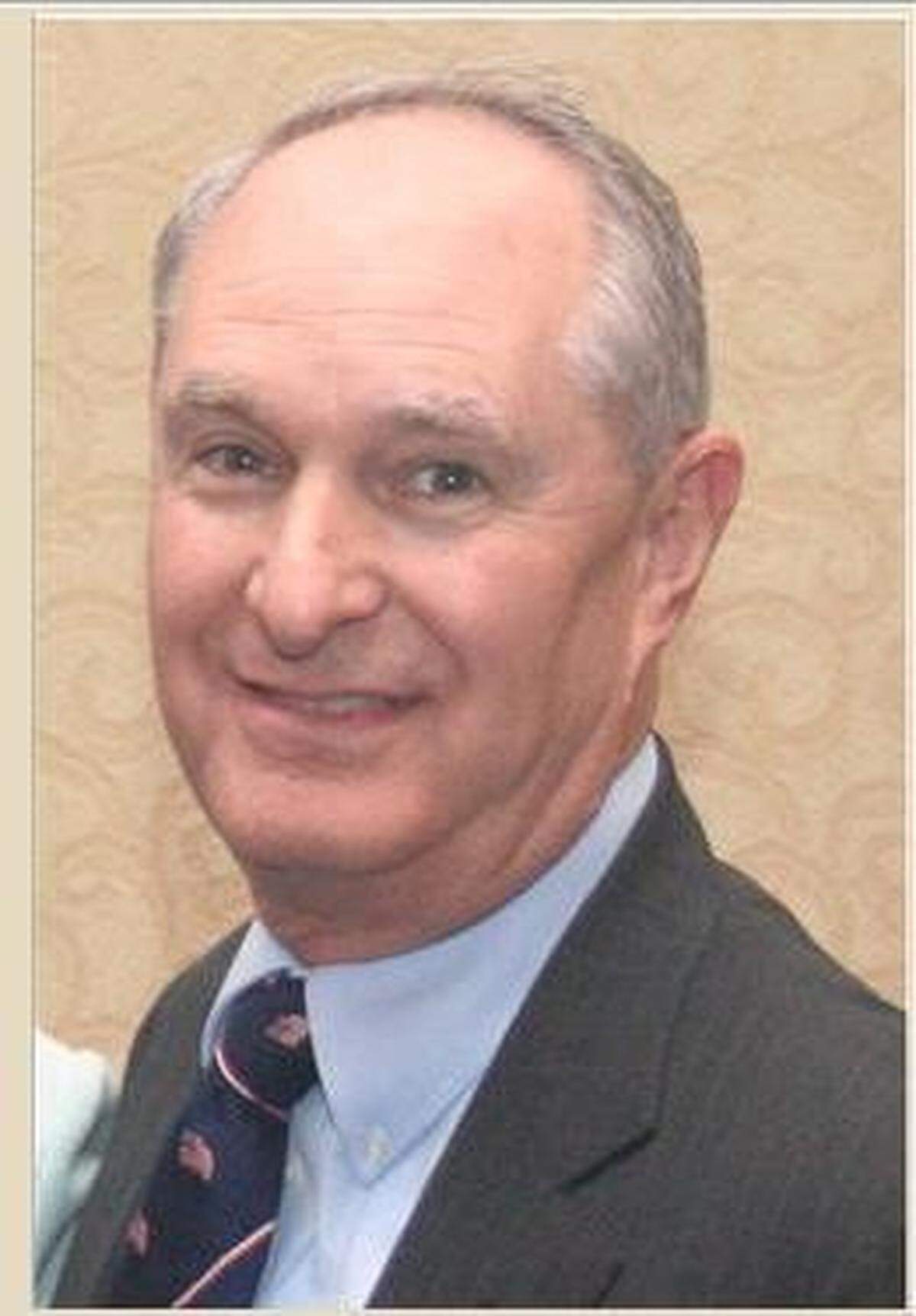
Richard G. Innes is an education analyst for the Bluegrass Institute for Public Policy Solutions, Kentucky’s free-market think tank. Reach him at dinnes@freedomkentucky.com.