
It’s a false narrative to conflate Lexington lack of housing with a lack of effort | Opinion
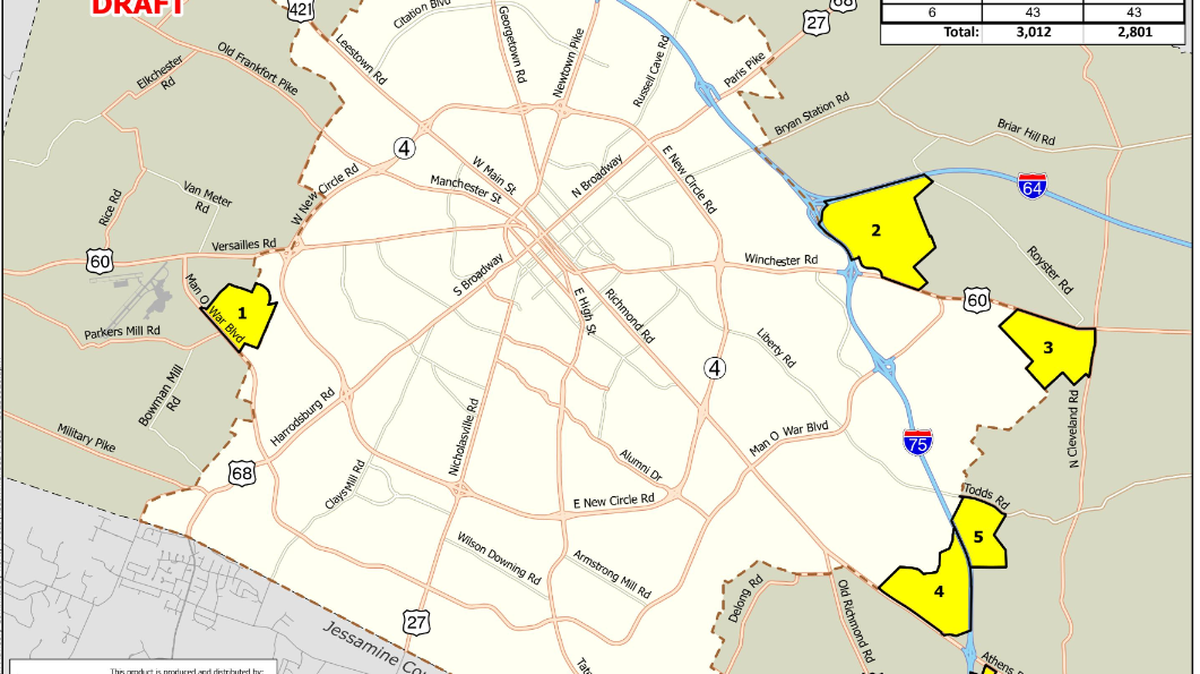
Land use issues are very important, and we should make sure we have the facts when we are talking about them. In her October 24 editorial, while going over local PAC endorsements Linda Blackford told a bit about the history of how we got to today with Urban Service Boundary expansion. And it’s that version of history that I take issue with, because it seems different from what I saw and experienced. It also continues to echo a common refrain; claiming that we don’t have affordable housing because of the USB and horse farms.
Since I moved back to Lexington eight years ago, I’ve been advocating for more housing. One of the main barriers to more housing is our zoning ordinance, a very mundane and boring list of tedious details that regulate how and what we build and where. In advocating for zoning reforms such as the re-legalization of Accessory Dwelling Units or the abolition of parking minimums, I ran into the Fayette Alliance quite a bit and became familiar with their work. Reading Linda’s description, you would think that they’ve done nothing for infill or affordable housing development. But every meeting I was at; ADUs, parking minimums, allowing housing in the B-6P zone, and even the latest Urban Growth Management ZOTA that included a huge incentive for affordable housing, the Fayette Alliance was there supporting zoning reforms that allow more housing inside the USB. I don’t expect most people to be aware of this because this is very much in the bureaucratic weeds, but it’s important work because you need to make the housing legal before you can build it. Fayette Alliance may not have built any affordable housing themselves, but it’s incorrect to say they haven’t done anything for infill or affordable housing.
Linda further derides the Fayette Alliance for not supporting the Goal 4 work group’s suggestions nor compromising on a soccer stadium next to farms. First, the Goal 4 work group and its suggestions were not a shining example of a well thought out process. I appreciate their efforts, but assuming a group, assembled six months before the Vice Mayor was leaving office, could iron out a plan for expansion in 13 meetings is just naive. They spent most of the first meetings just figuring out what metrics they wanted to measure. The last four meetings were tacked on exactly because they couldn’t finish in time. The final report was more of a concept of a plan than it was any sort of guiding document on how to expand. I think it’s perfectly reasonable to object to a rushed and poorly thought out plan, especially when it comes to expansion.
As for the soccer stadium; I don’t know what housing it was going to provide, I never saw any on any plans, but I do know the initial proposal included soccer fields outside the Urban Service Boundary, and so they requested a conditional use permit. This was yet another chip away at the A-R (Ag rural) zone and the USB. There have been so many conditional use permits and ZOTAs affecting the A-R zone in recent years that last year council member Plomin put an item into committee to study all the effects. Why have the Urban Service Boundary if we allow it to suffer death by a thousand ZOTAs?
We lack affordable housing because we have a massive housing shortage, one we’ve known about for years. The recent study commissioned by the city shows that we need 22,000 more homes just to meet current demand. Don’t blame the USB when the majority of our residential land is zoned to only allow single family detached housing, the most expensive type of housing. You aren’t going to get all that needed housing with sprawling suburbs at the edge of town. Instead ask why our older neighborhoods like Ashland Park, Aylesford, or North Lime are illegal to build today? Maybe look into how 40 apartments were delayed in court for 6 years because of an old office building. Why are we looking to push people to the edge of town rather than build more housing near existing amenities and resources?
Go ahead and tone police the horse PAC, ask how a candidate’s donors affects their positions, or endorse the candidate you prefer. But we shouldn’t muddy the waters with an incorrect history of how we got here, painting a smart growth advocacy organization as just caring about horse farms, and perpetuating the myth that we’d have affordable housing if we didn’t have the Urban Service Boundary.
Blake Hall is an advocate for better policy on housing, transportation, and urban design. He also writes about these topics at Build a Better Lexington.