
Preserving rural land in Fayette County does not affect affordable housing efforts | Opinion
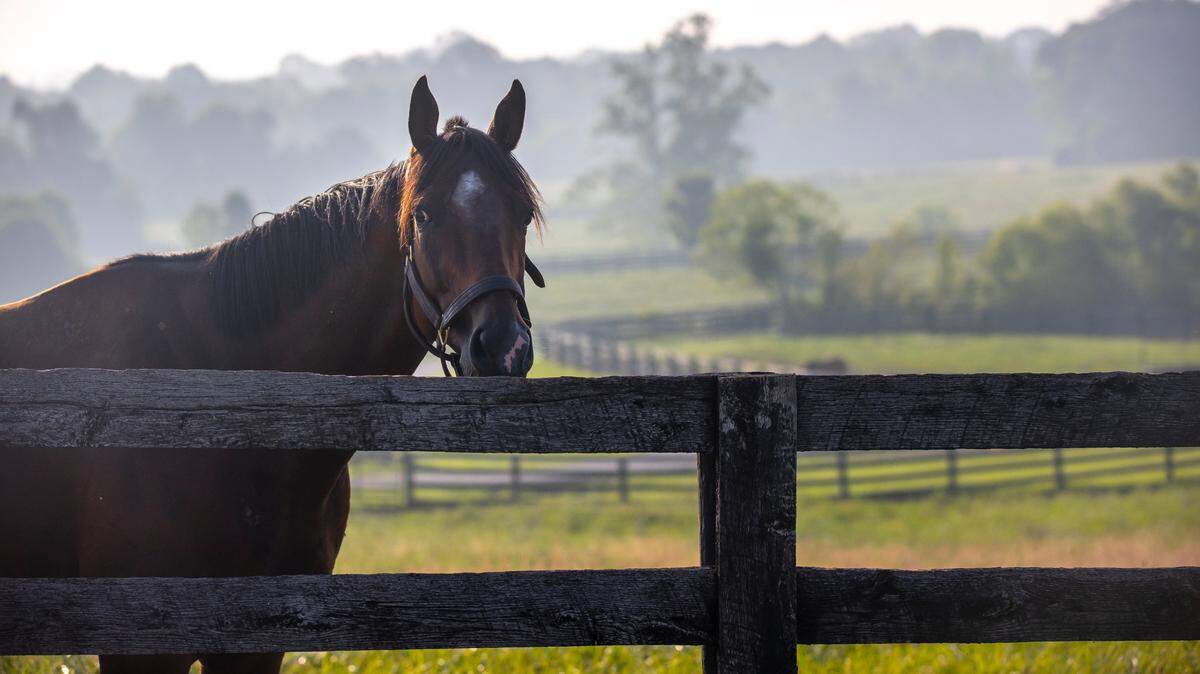
In her October 24 column, Linda Blackford pushed against campaign ads against District 5 Council member Liz Sheehan for her vote to expand the Urban Services Boundary. Ms. Blackford also attacked the Fayette Alliance (FA) and its goals of preserving farmland. Blackford called the proposed USB expansion “self-inflicted” because the FA often opposes encroachment on farmland. She also stated that “while horse interests used to dominate Lexington, fewer and fewer people care.” But preserving farmland benefits more than the horse industry, and more and more people care.
The USDA, stewards of our nation’s finite supply of soils, has mapped soils classified as “prime farmland” that should be protected from development due to their high productivity. These soils are intrinsically valuable and critical for long term food production (not just horses). Seventy percent of Fayette County’s land is outside the USB and 58% of that is designated “prime farmland” by the USDA. This is why the Lexington region has such a long history of farming (for crops and cattle as well as horses). Sparing prime soils from development is one of the reasons development restrictions are tighter in the Rural Service Area, and why Lexington has a “green wall.” The FA supports long term management of soils that are critical to not just Fayette County, but our nation.
Perhaps “fewer and fewer people care” about the horse industry, but Lexington residents enjoy the open space and rural character of our county and are willing to pay higher taxes for farmland preservation. A 2019 study found county residents are willing to pay an additional $55.14–$67.78 annually to maintain the equine industry.
Do “fewer and fewer people care” that one in every 12 jobs in Fayette County is tied to the agriculture? Agricultural economist Alison Davis conducted a study in 2012 and found that there are more than 14,000 farm-related jobs in Fayette County, contributing $2.3 billion in output, and $1.3 billion in additional profits. Agricultural employment contributed $8.5 million to Lexington’s coffers through the occupational tax. In the 12 years since, these numbers have certainly increased.
Supporting her “self-inflicted wound” argument, the column cites FA’s opposition to a proposed soccer stadium on Newtown Pike. Is it because the Alliance is anti-development? No, it’s because most of the county’s prime soils are situated north of Lexington, and the Newtown Pike site is surrounded by prime soils and key parts of UK’s agricultural research operations. Are the interests of a lower division soccer team owner more important than agricultural research and farming operations that represent decades of work and billions of investment? Is a soccer stadium, which many see as unnecessary anyway, worthy of destroying prime soils? The Planning Commission made a wise choice to approve the soccer field at the Athens-Boonesboro interstate highway zone, with NO prime soils, no broodmare farms nearby, and in an area already impacted by noise, 24-hour lighting, and businesses that can benefit from the soccer stadium.
Claims that USB expansion will provide affordable housing are specious. The U.S. is plagued by a lack of affordable housing – this issue is not unique to Lexington, nor should we blame its 65-year-old growth management model. Adding more land will not impact housing prices. Look at housing development that has occurred in the last decade—builders create a product that fits to the highest price point possible, with disregard to the overall affordability needs of our community. A 2019 study of effects of the Portland, Oregon USB on housing prices found no relationship between their boundary expansion and home prices; additional land did not make housing more affordable.
If we incrementally chip away at farmland, expect a drop in tourism. The horse industry separates Lexington from other mid-sized midwestern towns. Without the landscapes and economies created by it, we are just another exit on the way to Louisville or Cincinnati. Our landscape and rural areas set Lexington apart and more and more people care.
Dr. Roche-Phillips is a former member of the LFUCG Planning Commission and the Sustainable Growth Task Force, and is a current supervisor for the Fayette County Soil and Water Conservation District. She can be reached at lphil2@uky.edu.