
COVID is still a problem, and we need to do more to stop it | Opinion
Prevention of COVID-19 is of utmost importance. For several years, many in our society largely based their COVID recommendations on a one infection and done strategy. We now know that many are coming down with multiple bouts of the disease. We were told that severe outcomes were hospitalization and death, otherwise you had a mild disease. Now we are faced with crippling long COVID which has ravaged many in our society. In the United Kingdom, long COVID affects as many as 33.6% of healthcare workers. At the same time, we were assured our children are safe, they will almost never get severely sick from the virus. However, we started seeing long-term effects from COVID-19 in some of the children we know, and hoped they were outliers. Some of us even believed that children could not spread the infection.
These beliefs, many of which were perpetuated by some of our leaders, have placed our children in peril. It is almost impossible to find a vaccine for very young children due to lack of demand and far too few settings frequented by our children have instituted COVID mitigation strategies, such as clean air.
The gravity of this situation has been driven home by a recent NIH study which found that “20% of kids (ages 6-11) and 14% of teens met (the) researchers’ threshold for long COVID.” And our children keep becoming reinfected which increases their risk of severe damage. Damage which can affect the brain, cause heart/lung disease, diabetes and lower one’s ability to fight infections. Viral persistence, as can be seen in mononucleosis, herpes and AIDS. Evidence is emerging that this may be taking place in 43% of adult patients who have long COVID with heart, lung, musculoskeletal, or neurological symptoms.
Children less than 6 months of age are at a particularly high risk for severe COVID-19, but can be protected by maternal vaccination, allowing transplacental transfer of antibodies.
Similar to other respiratory spread diseases, children are germ magnets. In Sweden, 70% of non-healthcare COVID-19 outbreaks were associated with elementary, grammar, or nursery schools. A study from Boston’s Children’s hospital also found that 70% of household COVID transmissions started with a child.
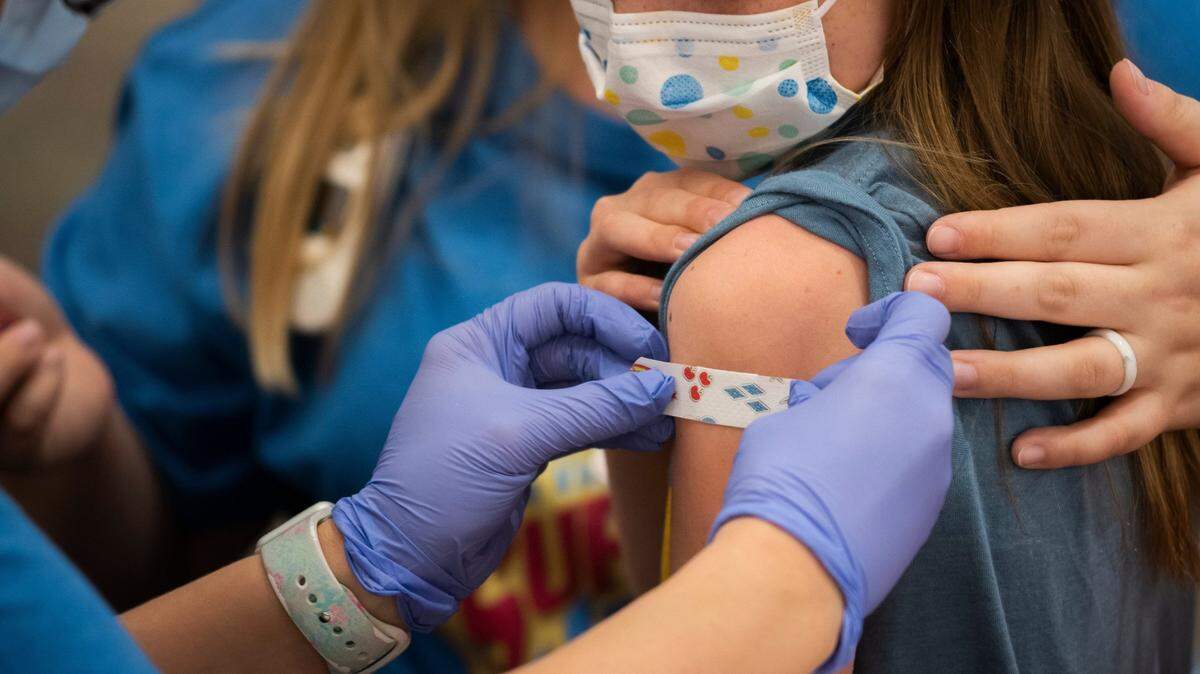
Childhood vaccinations can help. COVID vaccinations have been observed to cut childhood COVID-19 hospitalizations in half. And research has found that vaccinations can decrease the chances of a child developing long COVID by 35 to 42%. And yes, vaccinations are not free of complications, but they are a much better plan than getting the disease.
Clean air in school buildings supplemented with HEPA filtration and UV-C germicidal lighting is a first step. Keeping children home when sick is also important as is being up to date with childhood vaccinations, including COVID-19. Other steps may involve changing the school year, so breaks are scheduled during the peaks of respiratory diseases. And to be tolerant of masking. Masks have been shown to decrease the spread of diseases in schools in multiple studies, and their banning, as proposed this fall in the city of Louisville, places all at risk.
Kevin Kavanagh is a physician and the founder of HealthWatch USA.