
KY has an abandoned mine problem. Geothermal energy could fix it. | Opinion
In 1948, over 75,000 Kentuckians worked in coal mines. After eight decades of increased market competition, decreased coal demand, and automized mining, fewer than 3,900 Kentuckians can find work in coal mines today, and Kentucky’s formerly company-owned coal towns are largely abandoned.
Sometimes, abandoned mines can find new life as tourist attractions. In Stearns, the company-owned coal town my Papaw was raised in, the abandoned Blue Heron Mining Community is now an open-air ghost structures museum.
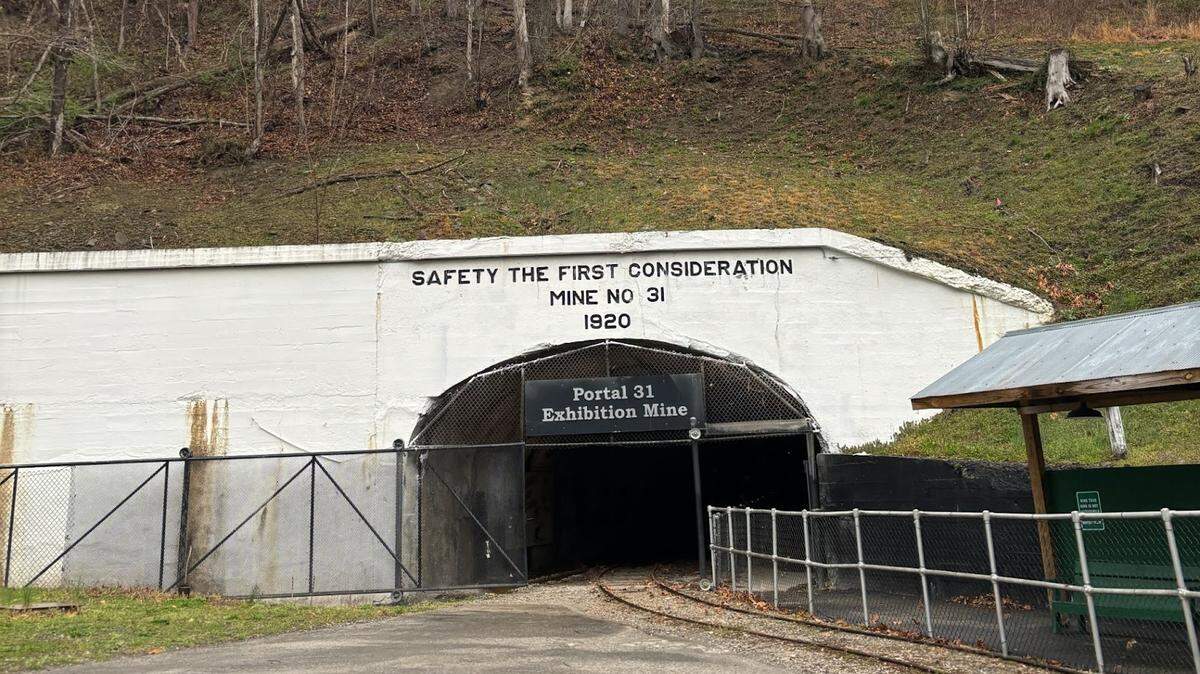
While similar museums exist in other former company towns, such as Lynch’s Portal 31, most abandoned mines have not been repurposed for new economic purposes.
Instead, these “zombie mines” release heavy metals and sulfuric acid through toxic mine drainage. In 2000, 300 million gallons of sludge escaped an abandoned mine in Martin County, killing seven and injuring 120. Despite national outcry, a decade later, NBC reported coal slurry could still be found in Martin County.
From decaying water pipes, to cutting off water supply in Pike County to acid mine drainage killing hundreds of fish and burning skin in Letcher County, coal’s decline has created not only a poverty crisis, but a lasting environmental crisis caused by companies who ignore abandoned mine regulations.
The solution to the abandoned mine crisis isn’t creating more coal mines. Coal’s profitability is declining in the U.S., and, to put it bluntly, companies won’t invest in cleaning mines unless they see a harsh enough punishment or a strong enough profit motive.
However, as a proponent of green energy and cleaning Appalachia’s communities, I see a path forward for Kentucky’s abandoned coal mines. To incentivize economic growth in our declining coal towns and prevent extensive pollution, what if our mines were repurposed as geothermal sites?
Geothermal energy is created by collecting earth’s naturally-produced heat, usually through steam, and converting it into energy. Geothermal energy is space efficient, energy efficient, and requires low management and operation costs, according to the the Alliance for Innovation and Infrastructure. I use geothermal energy everyday: my university, Miami University, is actively transitioning to being powered fully by geothermal energy by 2026.
The main reason geothermal energy is not adopted is because of its high capital cost, as digging a geothermal well incorporates high amounts of excavation and drilling. However, in a coal mine, that excavation and drilling has already happened, which drastically discounts the capital cost, a study from West Virginia University suggests.
Abandoned mines aren’t just perfect because they’re already largely excavated: they’re also already flooded with the water needed for electricity generation. Abandoned mines have millions upon millions of gallons of water that sit at the temperature ideal for geothermal energy production, according to Edward Peace Louie, a researcher from Michigan Technological University.
In west England, local officials have found success experimenting with flooding over 100 former coal mines as sites for geothermally heating water for energy production. While the most large-scale experiments have happened overseas, multiple mines in Pennsylvania have transitioned to this green energy model successfully as well.
Implementing geothermal energy plants in rural Kentucky towns would be life-changing for former company towns like my grandfather’s. My grandfather’s hometown is one of the poorest cities in the entire United States today, largely due to the lack of economic opportunities following the collapse of the Stearns Coal & Lumber Company.
Reclaiming our abandoned mines begins with building awareness for an alternative future. The future of Appalachia does not have to be defined by burned skin, polluted soil, and bioaccumulation of toxins from abandoned mines. Geothermal energy offers a sustainable path forward, and policymakers should consider incentivizing capital investment to begin this leap.

Meredith Perkins is a student at Miami University from Independence, Kentucky.