
Congress can pass an easy way to help seniors avoid deadly addictions | Opinion
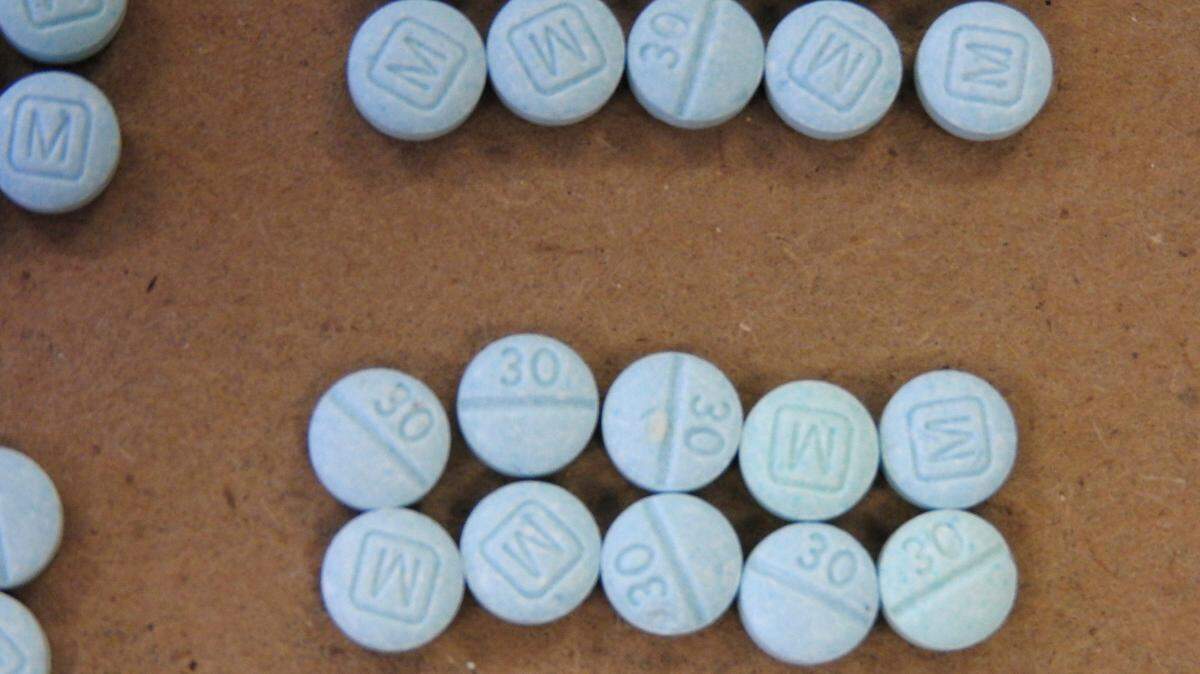
As members of the Recovery Care Advocates coalition of recovery support service providers, we meet addiction at every stage. From pregnant and parenting mothers seeking recovery to someone working to find sobriety later in life, our experience has shown the most powerful intervention in fighting opioid use disorder (OUD) is to break the cycle of addiction before it starts; protecting individuals and families from its devastating impact. This understanding has made us passionate advocates for the Alternatives to Prevent Addiction in the Nation (PAIN) Act, federal legislation that could help prevent opioid dependency among our senior population.
Preventing the onset of OUD in vulnerable populations should be a top priority. According to the US Centers for Disease Control and Prevention, Kentucky had the 8th highest rate of opioid dispensing in 2023 despite aggressive legislative and policy improvements aimed at reducing the over-exposure of opioids to Kentucky residents. While most attention focuses on the impact of addiction on young people, our senior citizens are also at risk. Seniors undergo more surgeries and medical procedures, after which they are prescribed opioids, despite effective, non-addictive pain treatment options available. Why? Because opioid alternatives are still less accessible and affordable for people who have Medicare.
Our collective experience providing evidence-based OUD treatment has taught us that addiction rarely exists in isolation. When a senior becomes addicted to opioids, it affects their entire family. Adult children become caregivers, grandchildren lose cherished relationships, and families drain retirement savings seeking treatment.
The Alternatives to PAIN Act presents a straightforward solution: ensure Medicare Part D covers FDA-approved non-opioid pain treatment. Just as importantly, it guarantees seniors will not pay more for these safer alternatives than they would for traditional opioids. Decades of experience in addiction treatment have shown that cost barriers often force patients toward riskier medications, even when they understand the dangers.
As a coalition, we have developed specialized programs for various vulnerable populations, but we cannot fight senior addiction alone. Federal policy that promotes prevention alongside treatment is vital to our efforts.
Despite recent progress in fighting the opioid crisis nationally, our seniors remain uniquely vulnerable. In 2022, 109,000 opioid-related overdose deaths occurred. This startling number represents not just a data point, but grandparents, parents, and loved ones who might have avoided dependency if given access to safer alternatives from the start.
The healthcare innovations we have witnessed over the past two decades give us hope. Newer non-addictive pain treatments target discomfort without risking dependency, but that means nothing if seniors cannot access them. Kentucky’s seniors deserve the safest possible options for pain management. We urge our congressional delegation to support the Alternatives to PAIN Act because every senior should have the opportunity to be a healthy and pain-free.
Dave Pankotai is the CEO of Seven Counties. This piece was written on behalf of a coalition of recovery support service providers which include Seven Counties Services, The Healing Place, The Morton Center, People Advocating Recovery, and Volunteers of America Mid-States.