
Kentucky lawmakers can pass smart, bipartisan legislation by ending the tampon tax | Opinion
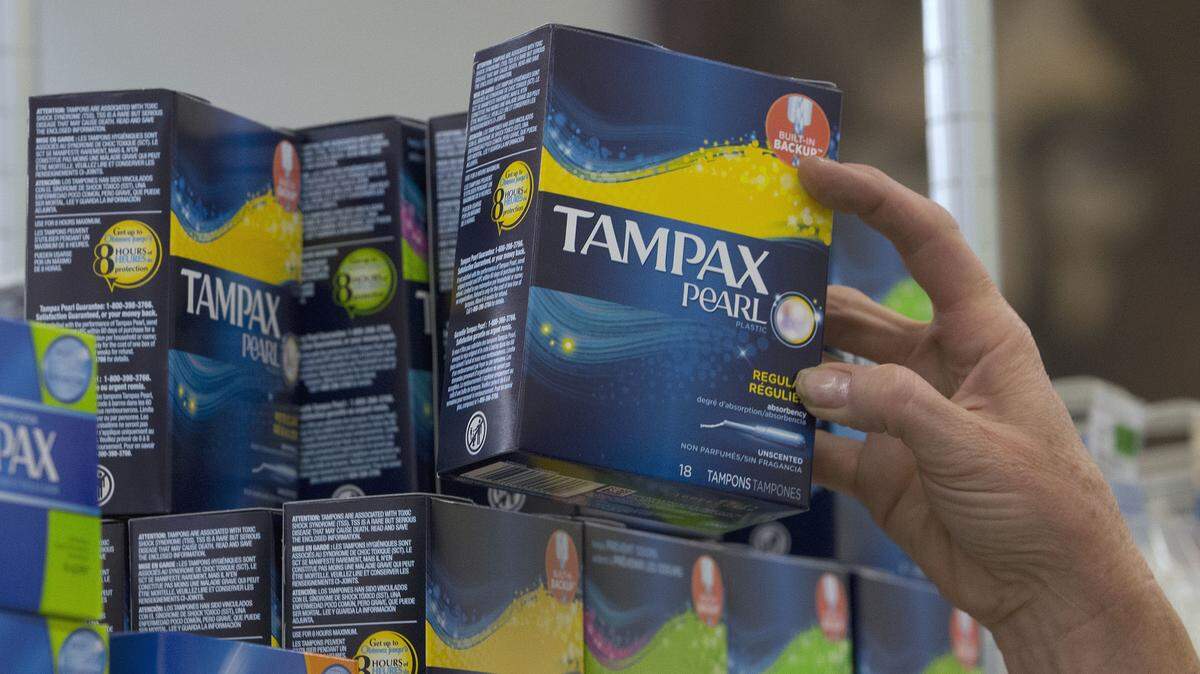
The average woman uses about 9000 tampons in her life. A quick Google search shows that a box of 18 tampons costs approximately $5, meaning that a woman could spend $2,500 on tampons alone in her lifetime without factoring in inflation. But what about Kentucky’s 6% sales tax? Soon, an extra $150 is added to the total. This is adding insult to injury since menstruation products are not a “luxury.” They are necessary for maintaining sanitation and comfort throughout life, but the proposed Kentucky House Bill 122 seeks to change that.
Currently, Kentucky has a 6% sales tax on almost everything you can buy in the state. However, certain items are exempt from this sales tax since they are necessary for living. This list includes items like food and prescription medications. One could argue, though, that menstruation products alongside other products for incontinence or breastfeeding are necessary for living and, as such, shouldn’t be taxed. The extra sales tax on these necessary items can build up and hit struggling families hard, leading to difficult decisions between putting food on the table or getting another box of tampons. I don’t know about you, but I would pick the food.
For those who struggle with housing, expensive menstruation products can also lead to health problems. Many homeless women have expressed difficulties with accessing restrooms or laundry facilities, so they instead reuse single-use pads and diapers multiple times or extend how long they have a tampon in. This can lead to profound health issues with the resulting expensive medical bills, such as the dreaded toxic shock syndrome (TSS) that every tampon box warns about, and even higher rates of depression.
Kentucky House Bill 122 is an attempt to address these financial concerns. If passed, it would place products related to menstruation, incontinence, and breastfeeding under exemption status for the state’s sales and use tax for the next four years. This means the price you see listed on the box is the price you pay — no hidden extra fees. While this would decrease tax revenue for the state, there are still plenty of other higher cost items that are taxed to continue to bring money into the government.
Kentucky is falling behind on the trend of placing menstruation products under sales tax exempt status, though. As of 2024, 25 states have already passed legislation to ban the “Tampox Tax”, with South Carolina being the most recent to join in. Notably, Florida, Louisiana, and Texas are on that list, with Florida having passed their legislation in 2017. This shows that this bill is nonpartisan and common sense.
So what can you do? Kentucky’s legislature reconvenes on Feb. 4, which means that your representatives are returning to work to discuss this bill and many others. By contacting your state representative here and expressing your interest in removing the sales tax from menstruation and other similar products, you can help make this bill law. Help make living more affordable for everyone in Kentucky. Help stop the Tampon Tax.

Alex Grayson Kells is a third-year medical student living in Northern Kentucky who is planning to go into OB/GYN. She is passionate about the intersection between policy advocacy and women’s health.