
Corporate resistance to Hardin battery plant union jeopardizes Kentucky’s future | Opinion
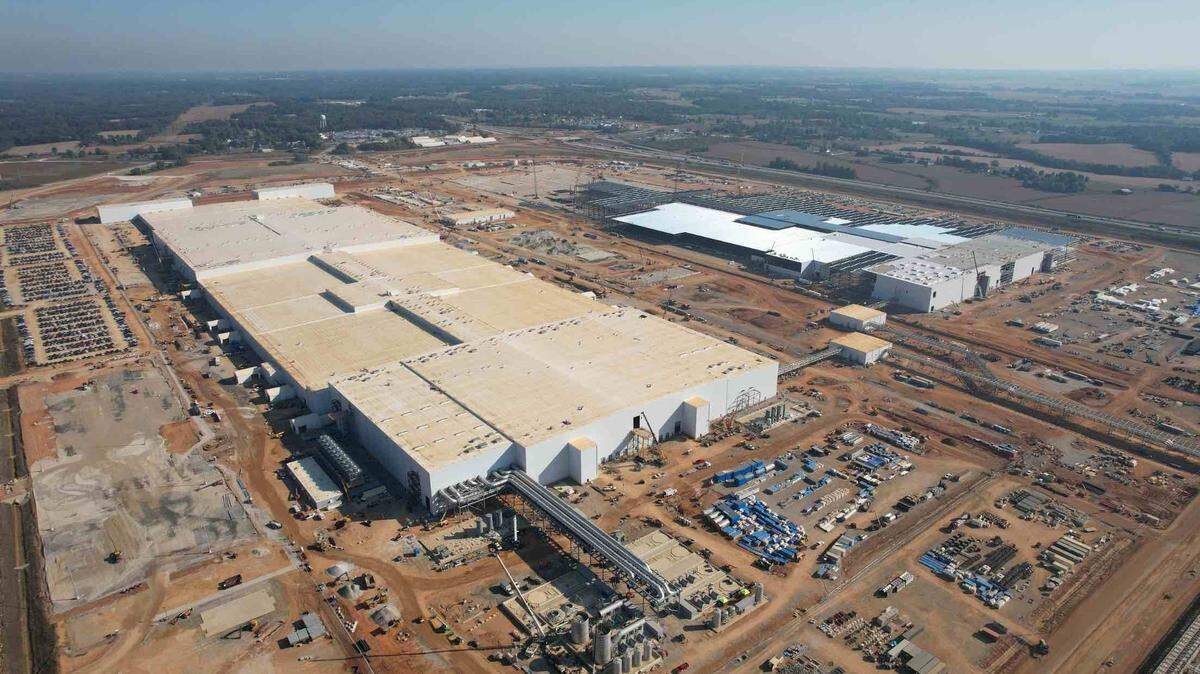
Electric vehicle (EV) sales continue to grow in the US and globally. Ford is coming off a record year, and right here in Kentucky, the company’s joint venture “BlueOval SK” plans to begin production this year at its new battery plant in Hardin County.
Manufacturing projects like this present a monumental opportunity—not just for economic growth, but for setting a precedent on how to do things the right way by prioritizing the workers and communities who make it all possible. Unfortunately, this vision is jeopardized by corporate resistance to workers’ efforts to unionize, including at the new Hardin County plant.
At its core, unionization is not about politics. It’s about fairness, opportunity, and ensuring a brighter future for working families. No matter who you vote for, we can all value hard work, family, and the kind of self-reliance that unions help to protect. A strong union ensures that the workers building our economic future are not left behind.
In November, the United Auto Workers (UAW) announced that a supermajority of workers at the BlueOval plant signed cards confirming their desire to join the UAW. BlueOval could have voluntarily recognized the UAW and began bargaining a contract with them. That’s what happened at a battery plant in Tennessee in September. Instead, BlueOval refused, so the UAW must pursue an election for union recognition at the facility.
BlueOval SK, which is jointly owned by Ford and SK Innovation, say forming a union is “premature,” but they are using tactics commonly associated with union-busting, like spending money to hire anti-union consultants to dissuade workers from joining a union and reportedly providing new hires with offer letters that include materials about “why you shouldn’t join a union.” Yet at a Ford battery plant in Michigan, the company agreed to do the opposite: voluntarily recognize the UAW if a majority of workers sign cards with the UAW.
Ford management has previously acknowledged how working with the UAW is a “successful partnership” that has been “mutually beneficial,” and that it was the sacrifices of UAW workers that helped “save” Ford during the bowels of the Great Recession.
This resistance at the Kentucky plant is shortsighted. Unions are the bedrock of a thriving middle class. They help ensure fair wages, safe working conditions, and benefits that allow families to build better lives. In states like Kentucky, where communities are often left behind in the race for economic opportunity, unions can level the playing field and provide a path toward shared prosperity. For decades, unions have been instrumental in raising living standards, not just for their members but for entire communities.
Let’s not forget the stakes for our environment and national security. The push for electric vehicles is not just about reducing greenhouse gas emissions—it’s about securing our energy future. Every EV battery built in Kentucky represents a step toward reducing our dependence on foreign oil and ensuring cleaner air for our children. It’s an industry that promises to bring tens of thousands of jobs to the region, reviving areas that have seen economic stagnation for far too long. But these jobs must be good jobs, with fair pay and protections. Otherwise, we risk perpetuating a cycle of chasing economic growth for its own sake–rather than for its ability to provide Kentuckians with real livelihoods.
Opposition to unionization undermines this vision. Without the United Auto Workers’ advocacy, there is no guarantee these jobs will offer the wages and benefits workers deserve. History shows that companies often prioritize profit margins over people; without a collective voice, workers’ interests are sidelined.
What we need now is leadership. Elected officials and community leaders must stand with the workers fighting for a seat at the table. Kentucky’s future depends on development that uplifts communities, not just corporate bottom lines. Imagine if our EV battery plant became a national model—not just for technological innovation, but for how to treat working families right.

Eric Dixon is Senior Researcher at the Ohio River Valley Institute and a resident of Louisville.
This story was originally published February 11, 2025 at 6:00 AM.