
With federal funding freezes, Fayette’s local government agencies must step up | Opinion
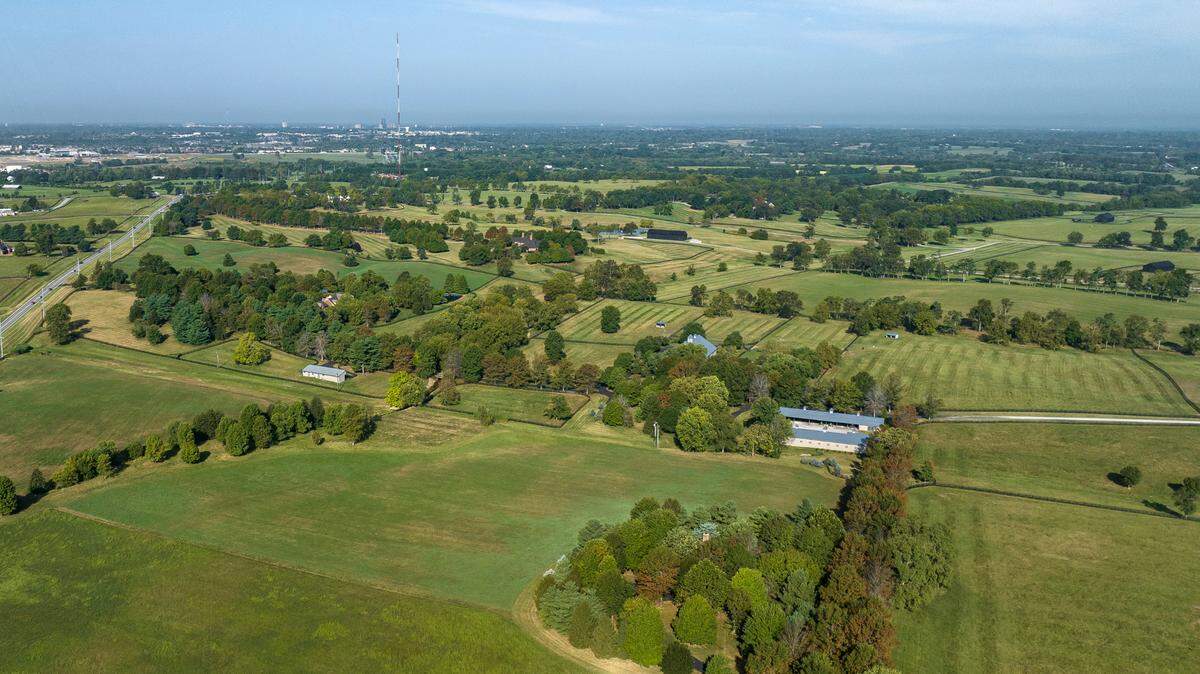
Local governments are uniquely positioned to act as first responders in times of crisis and economic uncertainty. They understand the nuanced needs of their communities better than anyone else and can respond quickly when federal funding is compromised. As organizations across various sectors grapple with the repercussions of federal grant freezes and funding cuts, it falls upon our city and county governments to minimize disruption to essential programs that serve residents directly.
When federal funds are halted or reduced, the resulting vacuum can lead to an immediate and devastating impact on local employment, service delivery, and overall community welfare. By supplementing lost federal dollars with their resources, municipalities can maintain and even expand vital services.
A clear example of effective local action is unfolding at the Fayette County Conservation District. This vital entity provides cost-share programs and grant opportunities designed to supplement federal offerings in a more accessible and localized manner. Yearly evaluations reveal that up to 68% of FCCD’s total budget is funneled back into the pockets of local taxpayers, showcasing an efficient model that other local entities could emulate.
By launching programs tailored to the specific needs demonstrated by the community and the local landscape, FCCD has significantly increased awareness and participation among residents. What was once a largely rural-focused initiative has expanded its outreach to urban agricultural and conservation services since 2019, reaching thousands and impacting vast acres of land while preserving agricultural roots.
FCCD leverages multiple strategies to maximize its funding capabilities. A large portion of its cost-share budget stems from the Kentucky Agricultural Development Fund, an allocation from tobacco settlement funds aimed at assisting farmers in diversifying their operations and supporting emerging farmers. By acting as the administrative entity for these funds, FCCD ensures they are utilized locally, while also highlighting other state program opportunities.
This localized approach has yielded impressive results. In the last fiscal year alone, FCCD attracted $937,242.14 in private investments through local matching grant programs aimed at farmers and urban conservationists, invigorating local economies while addressing pressing social issues.
A funding increase from city council in 2023 further allowed FCCD to continue and expand its services while maintaining high standards of transparency. Remarkably, FCCD has managed to return a large portion of its budget back to taxpayers while receiving the least amount of millage funding. However, as a subdivision of state government, housed in a federal office, and governed by a locally elected board, FCCD remains in a unique position of needing to clarify its identity within local governance structures.
As FCCD demonstrates, local governments can effectively mitigate the impact of federal funding cuts by reallocating resources and partnering with nonprofits and other government entities to fill in the gaps. Moreover, it is imperative for local leaders to prioritize budget allocations for essential programs that have experienced devastating cuts. Engaging the community in budget planning enhances transparency and aligns funding decisions with the actual needs of residents.
Advocacy is fundamental in maximizing effective local funding. Residents must rally behind their local governments and non-profits, urging them to combat federal cutbacks and support essential services. Awareness campaigns can educate citizens about local funding mechanisms, enhance tax structures, and promote voter participation in municipal elections—all critical components shaping how funds are allocated.

Heather Silvanik holds a Master of Fine Arts from Eastern Kentucky University and currently serves as the director of the Fayette County Soil & Water Conservation District.