
Funding full-day preschool would be a short and long-term win for all Kentuckians | Opinion
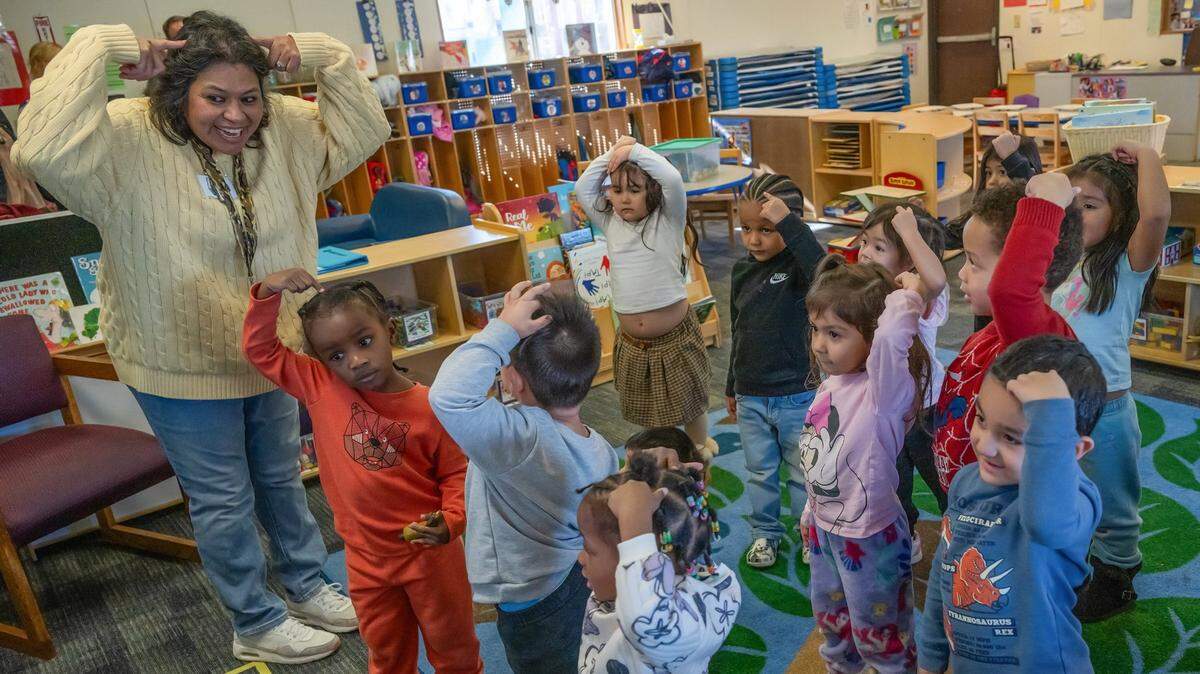
House Bill 460, filed on Valentine’s Day, is a love letter to working-class Kentuckians with enormous potential benefits.
Our legislature would be wise to pass it.
The bill would make publicly funded, full-day preschool available for all 4-year-olds and expand access for 3-year-olds, especially those with disabilities or from lower-income families who make too much to qualify for Head Start, the federally funded preschool program.
Critics say the bill is simply a bid for free “daycare,” and that it’s unnecessary because parents can teach children school readiness at home. But as those liberal bastions of Oklahoma and Florida can attest, high-quality universal preschool benefits students, parents, and the public in general. And this is no groundbreaking program; it just increases eligibility for the existing Kentucky Preschool Program so that the families hurt most by skyrocketing inflation can still access quality education for their children.
The bill’s co-sponsor, State Rep. Anne Gay Donworth, D-Lexington, noted that only half of Kentucky’s children are ready for kindergarten, and that that number is falling. That hurts the children who must struggle to catch up with their peers, often creating negative associations with school and their perceived ability to succeed. It also hurts public education as a whole since teachers must use valuable learning time to help those students catch up.
Kindergarten teachers I spoke with said kindergarteners who don’t go to preschool often lag in critical social skills such as staying quietly busy with an activity and playing cooperatively with other children their age. As a former preschool teacher, I can attest to the fact that many children are not taught those skills at home, either because the parents aren’t inclined or are simply too busy working multiple jobs to see to their children’s school readiness. And some things — like the ability to separate from parents without anxiety and stay all day at school — can’t be taught at home.
Preschool gives kids a leg up in other ways too: Children with disabilities and learning difficulties benefit since preschools work with elementary schools to ensure each child gets seamless support from day one of kindergarten.
Some protest that the benefits of preschool dissipate quickly, but this is a little right and a lot wrong. The kernel of truth is that low-income kids who attend publicly-funded preschool get higher IQ scores than their peers who don’t go to such programs, but that edge tends to level out in elementary school. But that’s likely because underserved preschool kids tend to go on to underserved elementary schools that can’t provide the continuing support they need in order to retain that edge.
That objection also ignores many other long-term positives: Lower-income children in publicly funded preschools are less likely to need public assistance as adults, and less likely to be arrested, charged with a violent crime, or become unemployed. They’re also more likely to graduate from college and tend to earn higher wages. A society with less crime and more educated workers benefits all of us, even those without children.
Publicly-funded preschool helps parents too, it should go without saying. It isn’t “babysitting” — it requires certified teachers and a school readiness curriculum — but it would be absurd to ignore the economic benefit to parents who make a bit too much to qualify for Head Start but still don’t make enough to pay nearly $1,000 a month for each child in daycare. Parents who don’t have that expense are better able to pay their bills and stay housed. They’re better able to spend their money at local businesses and stimulate the local economy. And they’re better able to work outside the home and not need public benefits such as SNAP.
Universal preschools would free up spots in local daycares for younger children, too. Seventy-nine out of Kentucky’s 120 counties are considered child care deserts, defined as areas with more than three children for every licensed child care spot. The overwhelming majority of those counties are rural. Helping our rural parents isn’t the main point of publicly funded preschool, but it sure is a nice perk.
Best of all, the program is affordable. As Donworth noted, the program would cost $172 million a year and could be easily funded with the couch change from our state’s massive rainy day fund. And it could actually generate savings in the long run, in the form of reduced need for public assistance and law enforcement.
In short, House Bill 460 benefits students, teachers, parents, and taxpayers in general. Even in a time when so many things are hyper-partisan, a bill like this shouldn’t be. We owe it to each other to support this sensible bill.
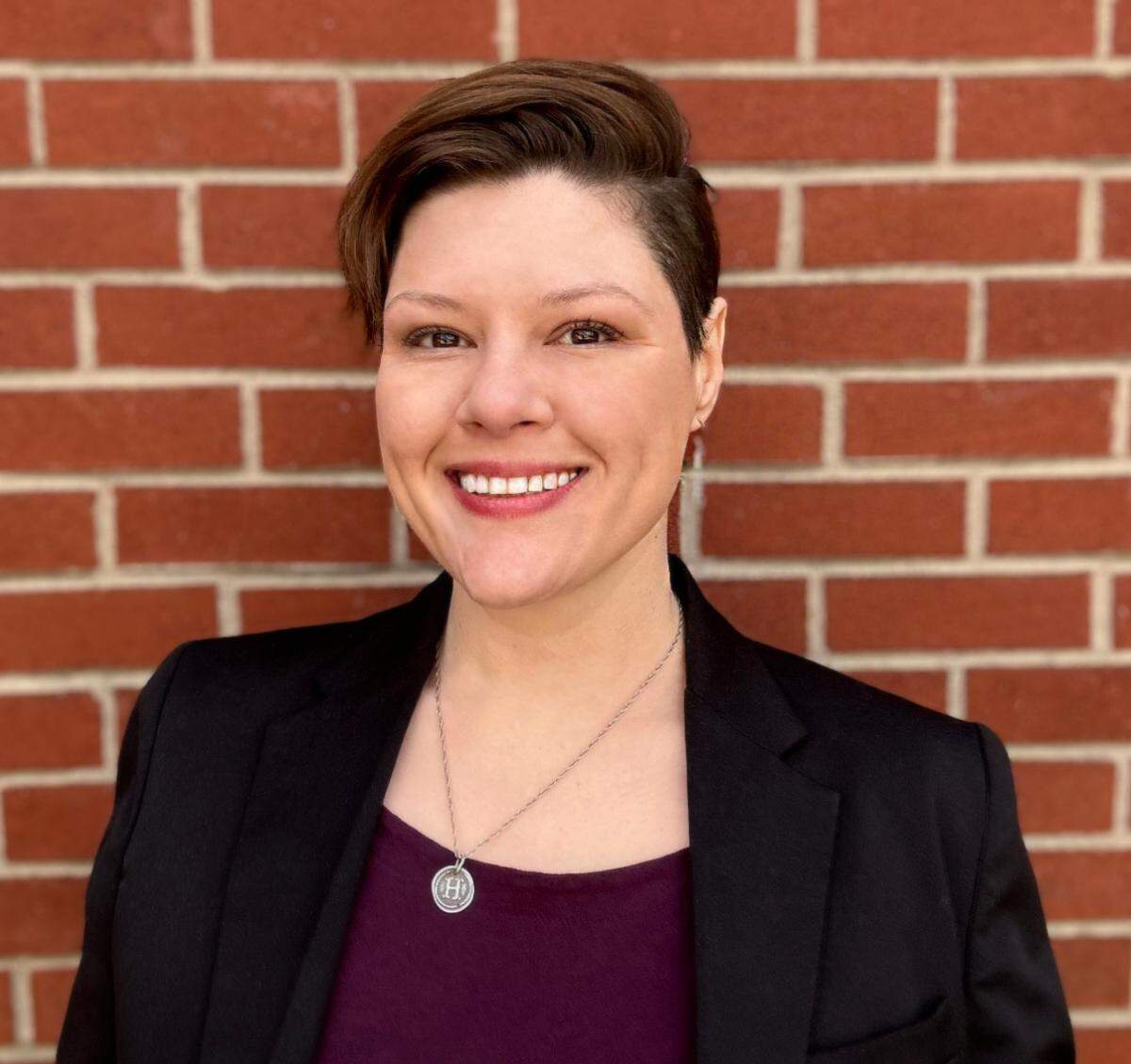
Heather Chapman is a former Herald-Leader parenting columnist and is now the digital communications coordinator for RuralOrganizing.org. All views expressed are her own.