
Lexington’s opioid abatement recommendations make a good start | Opinion
When I was impacted by a family member suffering from opioid use disorder, my greatest desire was that they seek recovery. What I didn’t understand is that recovery is not a “one and done.” The cravings and potential for relapse are forever unless ongoing treatment is received.
Addressing all aspects of opioid addiction, those who are using and those who are in recovery, is not condoning addiction. Addiction exists. We can only choose between compassion or indifference. Without recovery, continual treatment and shelter, the cycle will persist. Our community will continue to suffer, experience increased poverty, homelessness, and medical expenses.
The Opioid Abatement Commission has been meeting since September, 2023. Keeping the purpose of the settlement funds in the forefront: remediation for the way corporations aggressively promoted opioid painkillers fueling an overdose crisis that has now largely transitioned to illicit drugs, like fentanyl, on Feb. 14, 2025, they met to finalize their recommendations to Mayor Gorton for the use of funds to be allocated for projects.
They have listened to presentations from local nonprofits, agencies, individuals in recovery and family members who have been impacted by the struggles they’ve experienced. They have heightened their awareness of the breadth of the opioid epidemic in Fayette County.
At this month’s meeting OAC Chair Dr. Stephanie Raglin provided a three-part overview.
The first recommendation is a two-day annual opioid abatement summit in Lexington.
“The purpose of this summit,” she said, “is to educate, support and to connect individuals who are affected by opioid use disorder. The summit will provide education, resources, connections, and training to reduce the stigma, strengthen support systems, and promote collaborations. By encouraging community collaborations with partners and individuals, affordable and inclusive attendance will be ensured.”
I welcome a summit that invites everyone to the table. Many voices will be heard and a variety of possibilities discussed. Families will be able to learn from each other. Addiction is rampant often leading to homelessness. Businesses suffer as much as citizens, families and individuals. It’s only when we sit down and face each other that compassion resonates. Indifference is diminished. We can come up with solutions. A summit will give us that kind of opportunity.
The second recommendation is to establish grant opportunities to support both grassroot initiatives and larger organizations. Raglin summarized the categories:
▪ Mini-grants up to $50,000 per project. These would be community-led programs such as peer support groups, emergency financial assistance, transportation support and childcare services.
▪ Larger grants would expand treatment facilities, crisis intervention services, workforce development, and second-chance employment programs. Eligibility would be local nonprofits, coalitions, educational institutions, faith-based organizations, government entities and individuals with a fiscal agent.
These grants would encompass a large variety of programs that would foster the skills necessary for getting jobs. Non-profit art organizations and recovery facilities could act as fiscal agents for creatives to develop programs that encourage self-expression leading to heightened self-esteem and improved writing skills.
▪ The third recommendation is to “establish an interest-bearing account for long-term sustainability. The purpose is to establish an account where 10% of annual opioid settlement funds are saved to generate additional revenue for long term recovery and family support.”
The Commissioners have listened to what’s needed in our community to address this opioid crisis and prepared their recommendations. The Mayor will review them and present her decision to the Council for final approval. If they are approved, it’s up to us to participate in the summit and apply for grants to create the programs we are committed to and will make a difference.
Addiction exists. We can’t pretend it will just go away. We cannot be indifferent. We must choose compassion. And if addiction hasn’t impacted your family, don’t think it can’t happen to you. Without knowledge and pathways to recovery, our community will suffer.
The next meeting is March 14, 2025 at 10 a.m. in the Council chambers. These meetings and future Town Halls will continue to contribute to the decisions for use of future funds. Your stories, experiences, and expectations will shape future projects.
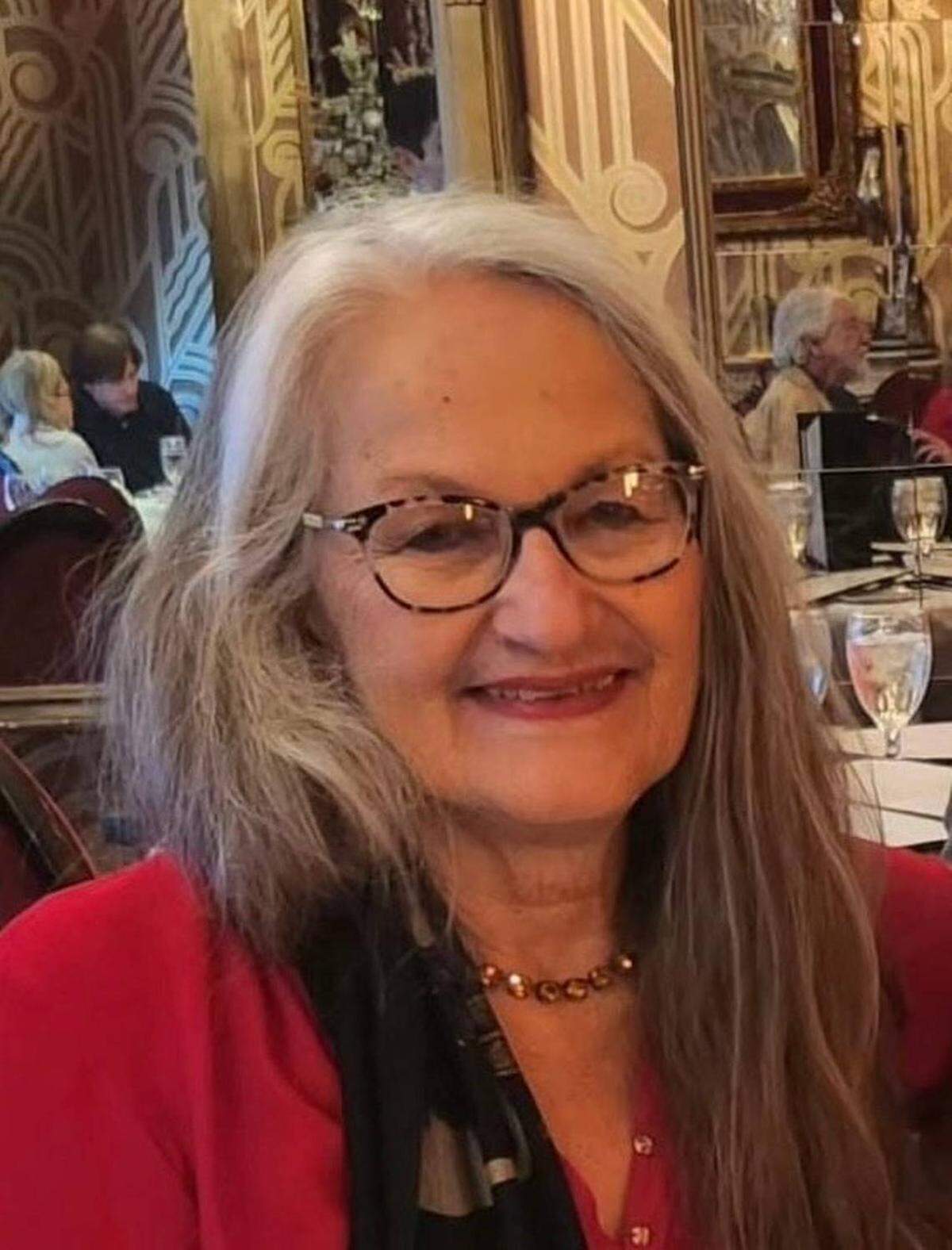
Laverne Zabielski is a Lexington artist.