
Kentucky needs to stand up for science; ask lawmakers to stop federal research cuts | Opinion
The United States leads the world in scientific research and produces scientific discoveries that improve the lives of millions of Americans. Diseases like measles, polio, HIV/AIDS, and sickle cell that used to kill tens of thousands can now be treated, prevented, or in some cases cured.
Here in Lexington, the University of Kentucky receives more than $250 million dollars of federal funding for research every year. Much of this funding goes straight into the local economy, supporting thousands of jobs for workers, technicians, and students and paying the local businesses who make the supplies that scientists buy. Historically, politicians in both parties have recognized that this is money well spent: every $1 of funding from the National Institutes of Health (NIH) generates $2.46 in economic activity.
But now, American science faces a political threat. The new presidential administration’s actions will devastate science for decades to come. They’ve fired thousands of government scientists, revoked funding for scientific projects all over the country (including ongoing clinical trials), and deported students and professors on political grounds. These actions will hurt people around the country, including UK and our local economy. Now is the time for Kentucky to stand up for science.
I’m originally from Lexington, and I’m now a professor leading a neuroscience research lab at a private university in Georgia. (I’m writing this letter as a private citizen, speaking only for myself and not for my employer.) I’m thankful that as a kid I got to attend Lexington’s fantastic public schools, including Meadowthorpe, LTMS, and Paul Laurence Dunbar High School. At Dunbar, we got the chance to do research with UK professors, where I learned from Dr. Miroslaw Truszczynski how to write computer programs to solve logical problems. Those educational experiences got me to where I am today: conducting research on how the brain changes after hearing loss and training students to become scientists and doctors.
Lexington natives are justifiably proud of UK, the discoveries that are made there, and the opportunities it creates for our kids. UK’s federal research funding generates medical breakthroughs, sustains thousands of Kentucky jobs, and trains Kentucky students to be the leaders of tomorrow. But because of this administration’s cuts to federal funding, my fellow scientists are losing their jobs. Some of my students have told me they can no longer afford to pursue their dream of becoming a scientist or doctor, which is heartbreaking.
Many of the cuts seem rushed, arbitrary, and political. For instance, the government has terminated research projects on Alzheimer’s Disease and dementia in older LGBTQ adults, saying these studies “have little identifiable return on investment”. This is cruel and incorrect: helping Alzheimer’s patients from any background is valuable work. We need to study diseases like Alzheimer’s in minority and non-minority groups because studying different groups teaches us about the population as a whole. But instead, political appointees now scrutinize our grants for words like “women” or “female” (and many others on a long list of targeted keywords), making it harder to fund common-sense studies to ensure medicines are effective in women.
Scientists are grateful that taxpayers fund our work. In exchange, we are committed to solving the problems that society faces. But we can’t do our jobs if our funding is pulled, if the infrastructure that supports our research is gutted, and if we’re not even allowed to say certain words. We need the freedom to tell Americans about what we discover, even (or especially) when it’s inconvenient for whichever politicians are currently in power. That’s why I want Lexington to stand up for science. Ask our political representatives to support funding for science and education. Ask them to protect the ability of people in universities to ask questions, solve problems, find cures, and make discoveries that benefit all of us.
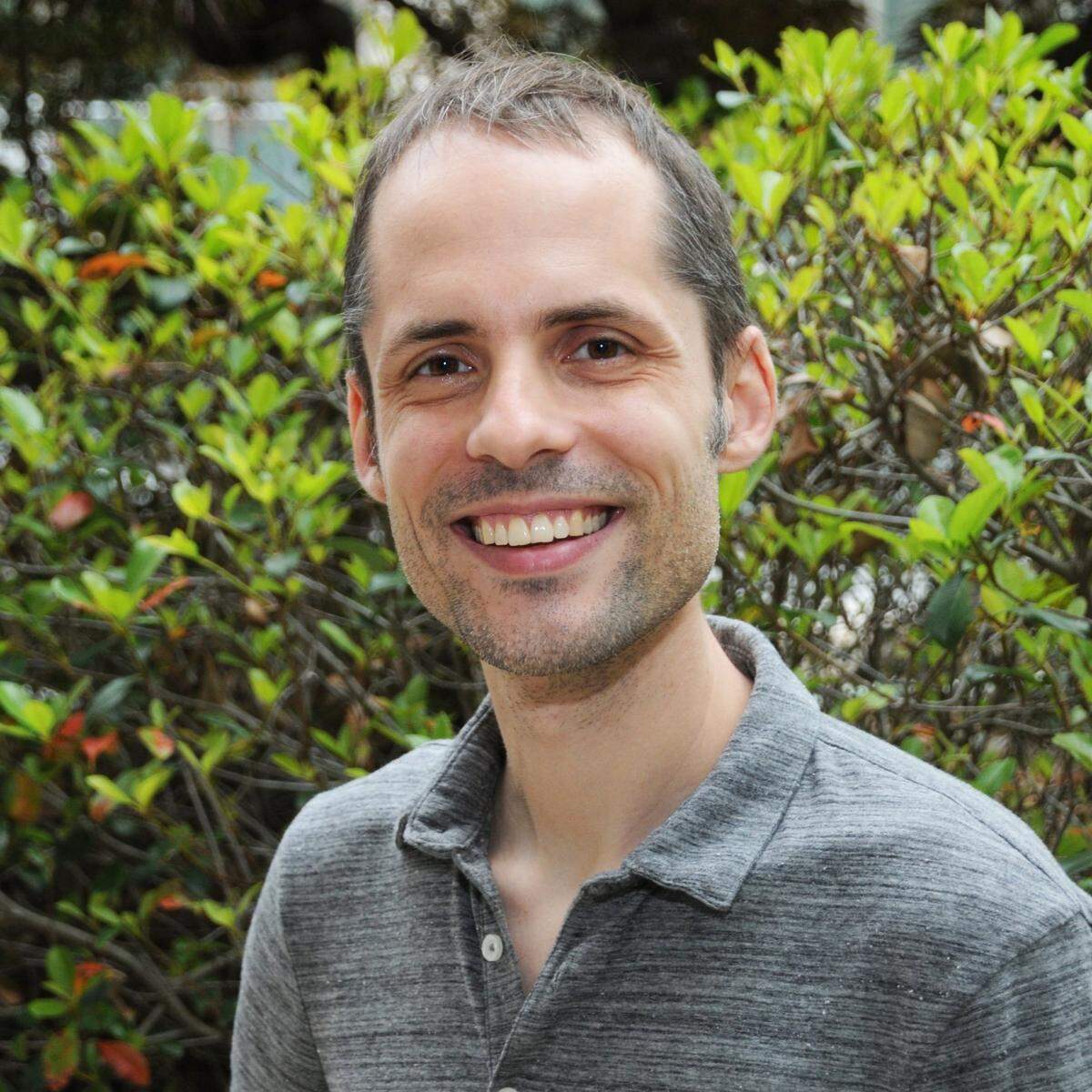
Dr. Chris Rodgers, Ph.D. grew up in Lexington. He is now a neuroscientist and a professor in Atlanta.