
Bishop Stowe: Pope Francis was an unwavering voice for the poor, the oppressed, and peace | Opinion
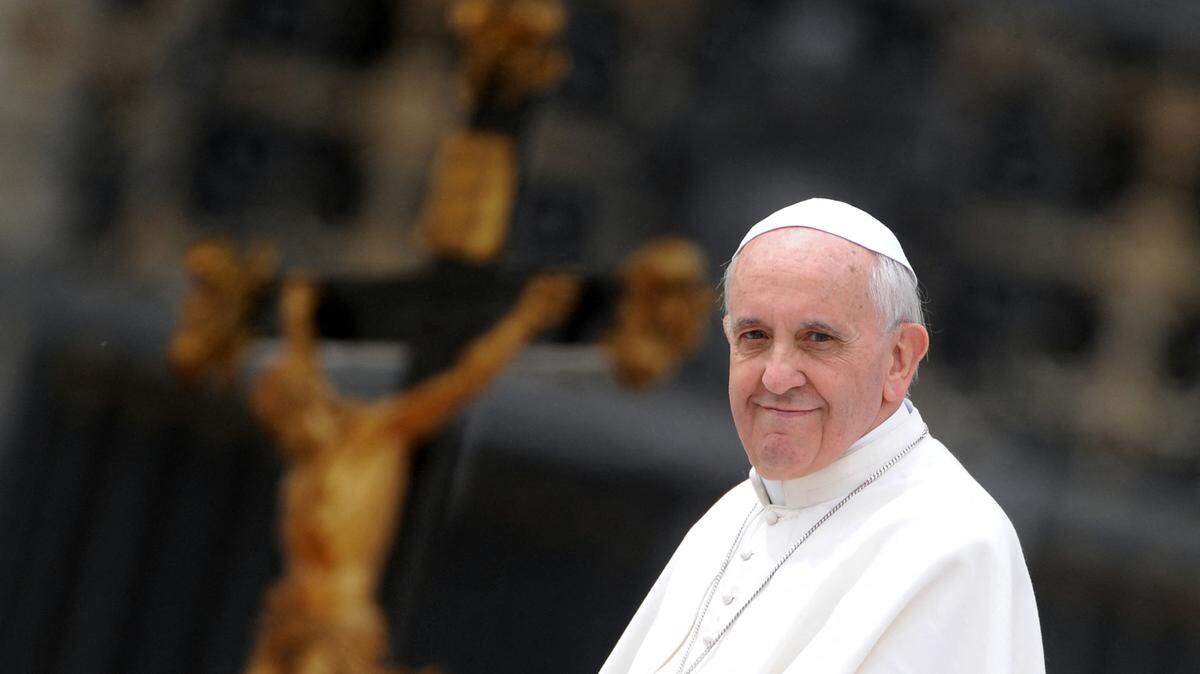
It was shortly before Holy Week in 2013 when the relatively unknown Cardinal Archbishop of Buenos Aires, Jorge Mario Bergoglio, was presented to the world as the new pope. It was extraordinary in so many ways. His predecessor, Pope Benedict XVI, had been the first pope to resign in centuries and so the cardinals entered the selection process known as the conclave without there having been a papal funeral. Bergoglio was the first pope from Latin America, the first pope who was a member of the Society of Jesus (Jesuits), and the first pope to select the name of “Francis.”
After the white smoke from the Sistine chapel chimney that signified an election appeared, crowds gathered in Saint Peter’s Square with anticipation about who might emerge. When the bells rang and a new figure dressed in white papal robes appeared, people strained to hear the announcement made in Latin that would contain his name. And even once it was heard, the most common response was, “Who?”
From that moment and for the next dozen years we discovered who this new shepherd was, and he did not cease to surprise us right up to the Easter Sunday ride through the throng of people in the square less than 24 hours before his passing. On that first night, March 13, 2013, he joked that the cardinals had gone to the ends of the earth (South America) to choose a Bishop of Rome and he asked for the people’s prayers before imparting his first papal blessing. Since that moment, in every public appearance and virtually every private encounter, he has asked everyone for their prayers.
Right away he caught the world’s attention by going outside the Vatican to pay his hotel bill from before the conclave. He chose to remain in the Vatican hotel where the conclave took place in a small guest suite instead of moving into the Apostolic Palace adjacent to St Peter’s. It was there that he died on Monday morning. He made himself accessible to journalists, to prelates from around the globe, and he took a special interest in the homeless in the area. He made his first papal journey to the Italian island of Lampedusa, the site of a tragic shipwreck where refugees trying to make it to Europe perished. All of these novelties became the norm during the 12 years of his pontificate.
As the first Latin American pope, Francis brought the rich experience of the Latin American episcopacy which collectively experienced a conversion after the Second Vatican Council. They changed their historic alignment with the powerful to a new “preferential option for the poor” as expressed in a 1968 conference in Medellín, Colombia. Francis himself had been a leader in the fifth of those continental conferences in 2007 in Aparecida, Brazil where the Latin American Church committed itself to the formation of missionary disciples and committed to another conversion, “from maintenance to mission”. This was a theme that Pope Francis brought with him from the periphery to the center of the Church.
The Church has much to say about social conditions, especially those of the poor. Francis’ predecessor, Leo XIII, published an encyclical about the condition of workers in 1891 which began the era of modern Catholic social teaching. Before Francis’ election, that tradition had become something of a specialized field in theology and therefore lesser known. With Francis, who taught as much by gesture as by words, that teaching was making its way back to the center of the church’s life and mission.
He told journalists the day after his election that he chose the name Francis because the Brazilian cardinal sitting next to him grabbed his arm when he had secured enough votes and told him, “don’t forget the poor.” Francis, like his namesake from Assisi, was obedient to that directive. He energetically endorsed community organizing among the impoverished and created the World Meeting of Popular Movements which advocated for housing, land and work for all the world’s population. He had plenty of time to listen to the stories of the poor, and I know of journalists who were moved to tears as they watched his interactions with the residents of refugee camps. His attention gave hope and restored dignity to the people very often considered expendable.
Francis suffered most because of the persistence of war throughout the world. It now seems quite appropriate that his last public message, read by a Master of Ceremonies because he did not have sufficient strength, was a plea for peace and a condemnation of war in Gaza, Ukraine, the Congo, Yemen, Myanmar and so many places plagued with violence. On New Year’s Day in 2017 he emphasized the importance of non-violence in the witness and teachings of Jesus and called for the church to draw away from the Just War theory because he questioned the possibility of such a “just war” in our present circumstances. At the age of 86 and in a wheelchair, Francis traveled to Congo and to Sudan and pleaded for an end to war while meeting with many of those who bore the wounds of conflict.
Pope Francis joyfully and forcefully proclaimed and lived the Gospel of Jesus. May we cherish his memory.
Rev. John Stowe is bishop of the Catholic Diocese of Lexington.