
In its first 100 years, Herrington Lake has helped shape Kentucky history | Opinion
AI-generated summary reviewed by our newsroom.
- Herrington Lake marks 100 years as a power source and tourism driver in Kentucky.
- Dix Dam's 1925 completion set records in engineering and hydroelectric capacity.
- Fishing laws, including licenses and creel limits, originated due to lake overuse.
History enthusiasts take note! 2025 is a significant year for central Kentucky. While Lexington is celebrating its 250th anniversary, another important milestone is being recognized by the tri-county residents of Boyle, Garrard, and Mercer counties.
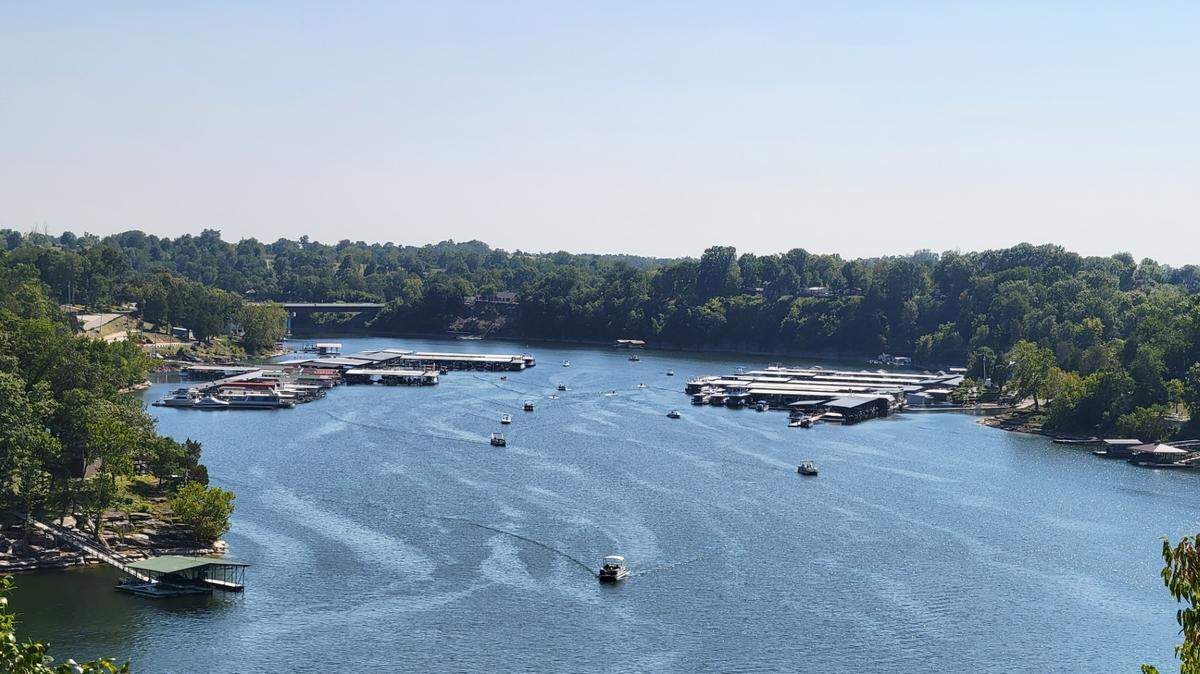
March 17, 2025 marked the centennial of a grand old reservoir, Herrington Lake, which has influenced some notable moments in Kentucky’s early 20th-century history.
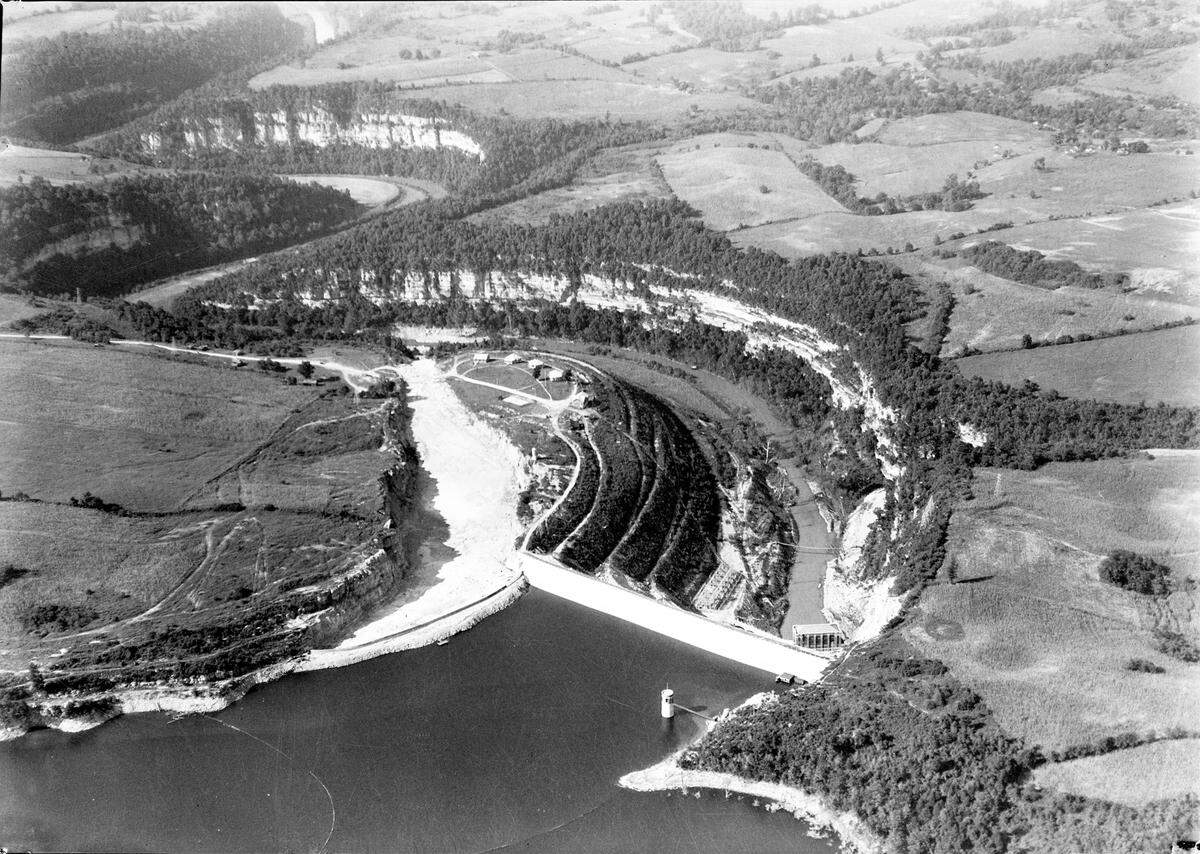
While the lake continually attracts outdoor enthusiasts of all sorts, it was first created for an entirely different reason, one that helped advance Kentucky’s electric infrastructure into the modern era. By 1910, an aspiring lawyer, politician and entrepreneur, Lewis Butler Herrington (1880-1952), envisioned a plan for water (sent through a turbine) to produce modern hydroelectrical current emitted along a radius of nearly 125 miles from Burgin, Kentucky to Louisville, Bowling Green, Lexington, Maysville and Pineville. But creating energy capability on this level would necessitate two main things: a proper river system and an enormous dam.
Herrington (who would later become president of Kentucky Utilities from 1927-1933) spent several years from 1910-1913 traversing the central Kentucky plateau and finally decided that the Dix River—with a significant angle of descent—afforded the best opportunity for a dam to be built within its deep gorge. And thus, in the summer of 1923, the great dam project got underway. The engineering and architectural undertaking was so extraordinary that news reports of its development were sent out along the Associated Press wire from Florida to Michigan, and even Winnipeg, the capitol of the Canadian province of Manitoba.
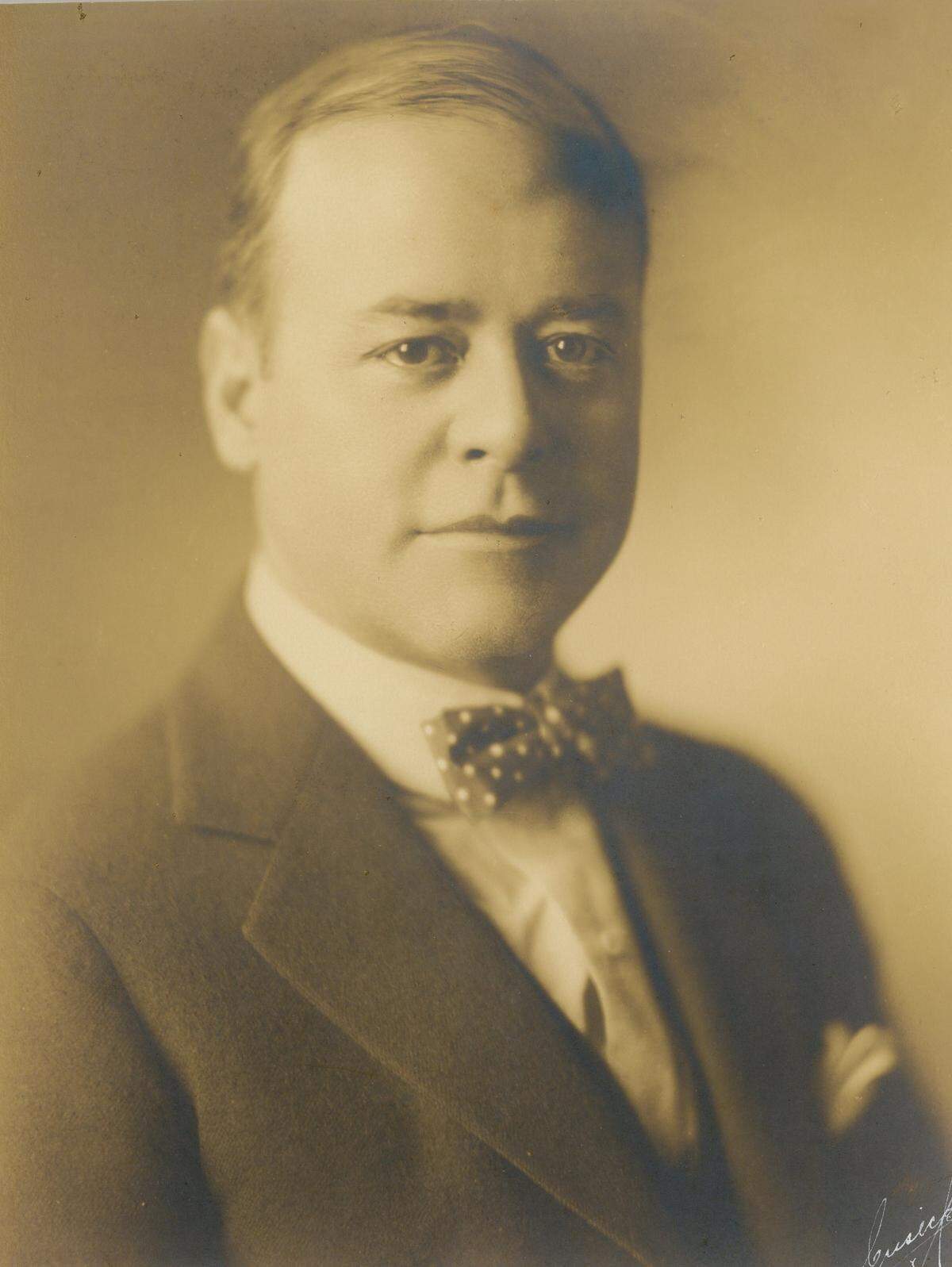
At the time of completion in 1925, the Dix Dam immediately became one of the great feats of early 20th century American architecture and engineering, right in Burgin, Kentucky. The base of the dam was two and a half football fields thick (750’), while its height rose to a staggering 275 feet. It contained no less than 1.8 million cubic yards of material and at the time of its completion, it was the largest rock filled dam in the world and the highest dam east of the Rocky Mountains, while its hydroelectric facility was the largest in the state.
The dam wasn’t the only engineering and architectural undertaking in the Dix River valley at that time. Since the span of the Dix valley would naturally widen with the formation of a lake, 19th-century wooden covered bridges along the Dix River were being replaced by two modern, iron bridges (Kennedy’s Mill Bridge and Chenault Bridge) to link the tri-county area. Kennedy’s Mill Bridge, four and a half miles upstream from the dam, complemented the massive scale of the dam. It rose majestically 255 feet over the Dix valley, and it was nearly 800 feet long (797’). As work on the huge form finished in early 1925, it became one of the tallest bridges in the Unites States.
Aspects of the modern age, coupled with scenic beauty on a grand, panoramic scale, had certainly arrived in Burgin, Kentucky and word quickly got out as Herrington Lake established a new standard of rural living. Kentucky Utilities kept a ledger with a record of all the visitors who paid a visit to the dam. As it turned out, Kentuckians and curious visitors from neighboring states flocked to the lake by the tens of thousands, month over month, to gaze at the wonder of it all. Fishing and lodging camps sprang up along the banks of the lake with all the conveniences of modern living: ice, bait, sandwiches, boats and lodging. Reports of 100-200 boats floating about the lake on any given day were common. A new real estate market also developed as lots became available for purchase. And if fishing was your pleasure, well then, you came to the right lake.
Prior to Herrington Lake being formed, anglers frequented creeks, ponds, and small natural lakes. But the scale of Herrington Lake and the abundance of fish attracted anglers in great number. Fish and wildlife records indicate that the number of anglers along the lake on any given day from 1925-1930 could reach 1,000-2,000, especially during the spring season as fish moved shallow to spawn. And fish—bass, crappie and catfish—were being caught by the thousands.
Thus, an all but unknown aspect of the lake’s lasting influence on Kentucky history is the conservation law requiring a fishing license. In an effort to protect the natural resource, efforts were addressed via Senate Bill 81 in January 1928, namely the licensing of anglers and creel limits on fish. In March, the Final Act of the bill was read on the floor of the General Assembly, and it became law. To this date, anglers across Kentucky are required to possess a fishing license and observe creel limits because of Herrington Lake.
During this centennial celebration, plan a summer daytrip to this historic reservoir, rent a pontoon, and explore parts of its 25-mile length. History, nature, and nostalgia await.

Mike Holdren is a teacher, historian, lake resident, and author of “Herrington Lake: Kentucky’s Marvel of Architecture, Waterpower & Nature.”
This story was originally published May 29, 2025 at 11:18 AM.