
In Kentucky, Medicaid cuts are matter of life and death for women and babies | Opinion
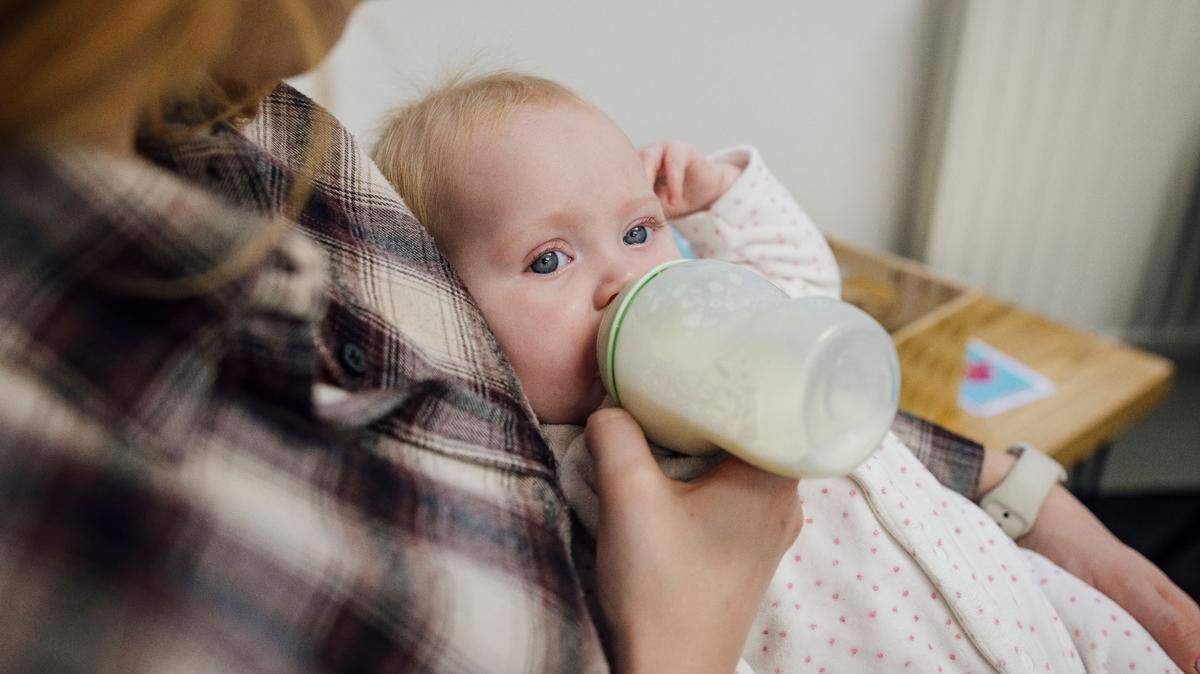
“My baby could have died if it wasn’t for Medicaid.”
Alyssa Oatman, mom to a 2-year-old and 5-month-old twins, had a healthy but high-risk pregnancy because she was carrying multiples. The nearest neonatal intensive care unit (NICU) was 90 minutes away—an immense challenge in rural Eastern Kentucky.
Alyssa delivered twins by C-section at 38 weeks. One suffered severe complications and was diagnosed with Hypoxic-Ischemic Encephalopathy (HIE). After 57 days in the NICU, he now receives multiple therapies and nutrition via a stomach tube. Alyssa was later diagnosed with PTSD, postpartum depression, anxiety, and depressive psychosis.
Kentucky Medicaid and Kentucky Children’s Health Insurance Program (KCHIP) support families like Alyssa’s. The NICU stay, medications, medical and feeding supplies, cooling therapy, breast pump, and maternal mental health were all covered byMedicaid and KCHIP.
“Defunding Medicaid would undermine the health and well-being of moms,” said Alyssa. “Not having access to support me and my sick baby would have devastating long-term consequences.”
Medicaid is a major target among the $880 billion in cuts just passed by the House of Representatives. The Commonwealth of Kentucky will feel it in our hospitals, labor and delivery units, and NICUs. Nationwide, about 1.5 million pregnant women, new moms, and newborns rely on Medicaid. About 50% of Kentucky births, about 25,000 each year, are covered by Medicaid. These women work real jobs in retail, restaurants, hospitality, and childcare.
For many, Medicaid is the only affordable insurance option.
These dangerous cuts will make our local maternal and infant health crisis worse. For every 100,000 births in Kentucky, nearly 35 moms die, and for every 1,000 births, nearly 6 babies don’t make it to their first birthday. With outcomes like these, the cuts are a threshold Kentucky simply cannot afford to pass.
In Kentucky, many of the labor and delivery units are in maternity care deserts—over 67% of counties do not have an obstetric hospital, and many expecting moms travel 30 miles or more to access care.Without full access to care and ample Medicaid coverage, which is often a last resort, these numbers will increase. The cost to hospitals and clinicians will be astronomical, especially in Eastern Kentucky where Medicaid rates are higher.
Every aspect of maternal and infant healthcare is at risk: prenatal care, pregnancy complications like high blood pressure, diabetes, and preterm birth, as well as infant nutrition and maternal mental health. Medicaid is a lifeline, not just for Alyssa, but for thousands of moms and babies in Kentucky. Cuts will lead to fewer covered services, reduced eligibility, and new barriers to care with immediate and devastating effects. Moms in Kentucky who lose coverage will have to go somewhere, and someone will pay. Without adequate prenatal and postpartum care, lifelong complications can arise along with long-term financial burdens to the family and the state.
Cutting Medicaid when maternal and infant health is already in crisis is dangerous and irresponsible. A state that fails to care for its moms and babies is failing at its most fundamental responsibility, and Kentucky is one of the states where cuts will hit the hardest.
This isn’t a policy debate; it’s a matter of life and death.
March of Dimes urges Kentuckians to contact U.S. Senators Mitch McConnell and Rand Paul, and Representatives Andy Barr, Brett Guthrie, Thomas Massie, Morgan McGarvey, and Hal Rogers. Tell them to protect Medicaid. These cuts will put the lives of moms and babies at even greater risk.
Nikki Boyd is Director of Maternal & Infant Health Initiatives at March of Dimes.
This story was originally published June 11, 2025 at 6:00 AM.