
Remember Alfalfa? New book to explore history of restaurant, cultural center | Opinion
AI-generated summary reviewed by our newsroom.
- Alfalfa's 48-year legacy will be preserved in a forthcoming 400-page cookbook.
- The book highlights recipes, oral histories, art, and community engagement efforts.
- Institute 193 and local authors launched a campaign to fund late 2025 publication.
As we celebrate Lexington’s 250th anniversary, an important part of our culinary and cultural history is quietly resurrecting itself with an upcoming book: “Eat Your Carrot Cake — Life, Art, Community and Cookery: Stories and Recipes from Alfalfa Restaurant.”
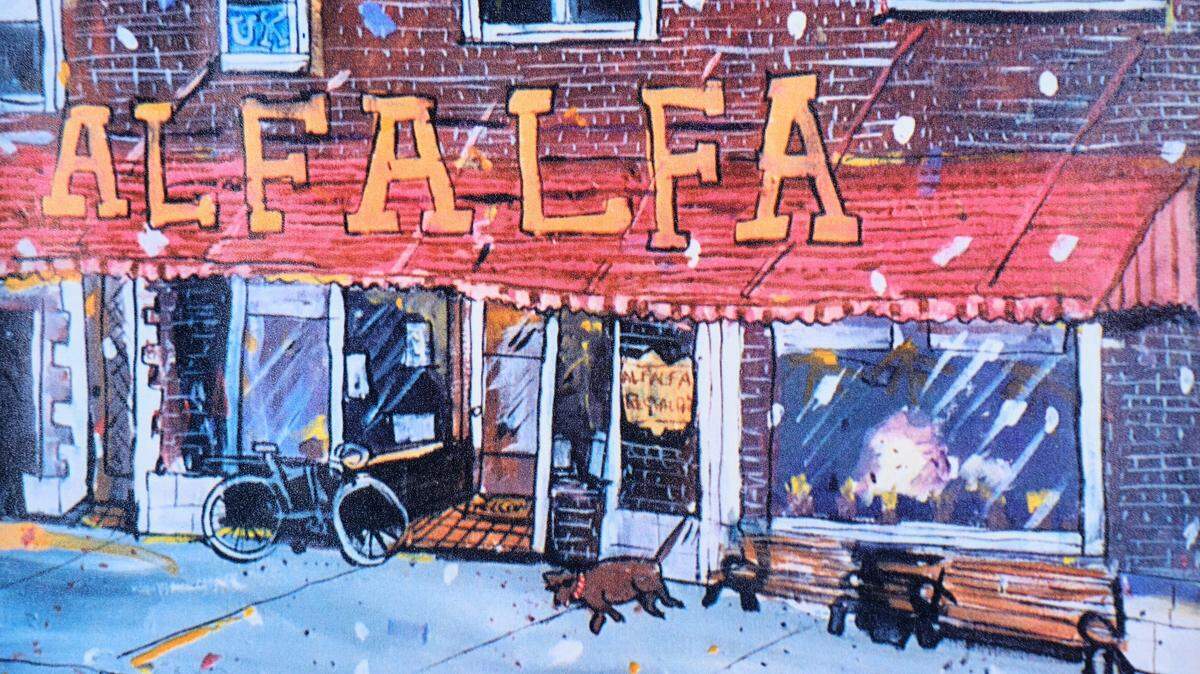
Yes, that’s right, those fond memories of mismatched chairs and tables and homemade farm to table food can soon be evoked for Lexingtonians. For 48 years, Alfalfa Restaurant served the community through various owners and a move before finally closing in 2021. “Eat Your Carrot Cake” focuses on the first 25 -30 years while the restaurant resided at its iconic 557 S. Lime address.
Institute 193, a contemporary art gallery in Lexington, is co-publishing the book with Louisville’s Butler Books. The Institute is also assisting with a campaign to raise funds to publish the book, written by former cook/owner Marina Ubaldi Ritter, and former cooks Lucinda Zoe and Michael Kelsay, along with the Carrot Cake Collective, a small but enthusiastic group of former cooks, waiters, and owners.
The idea to open the restaurant emerged from the imagination and dreams of a small collective of idealistic women and men who were galvanized by the social movements of the late 1960s and early 1970s — seeking something more, something better, something healthy and life-affirming. What was happening? The Vietnam war, Kent State, assassinations of leaders, the Civil Rights Movement, and to boot, women couldn’t even get a car loan or credit card without the signature of their father or husband.
And yet, a small collective of like-minded people came together to build something hopeful — a community-oriented and egalitarian workplace that served good wholesome food, empowered their workforce and would have a meaningful impact on the community. They fostered a workplace that shared ideas and collaborated in the day-to-day operation of Alfalfa, but their emphasis on collaboration and community engagement went beyond the doors of the restaurant.
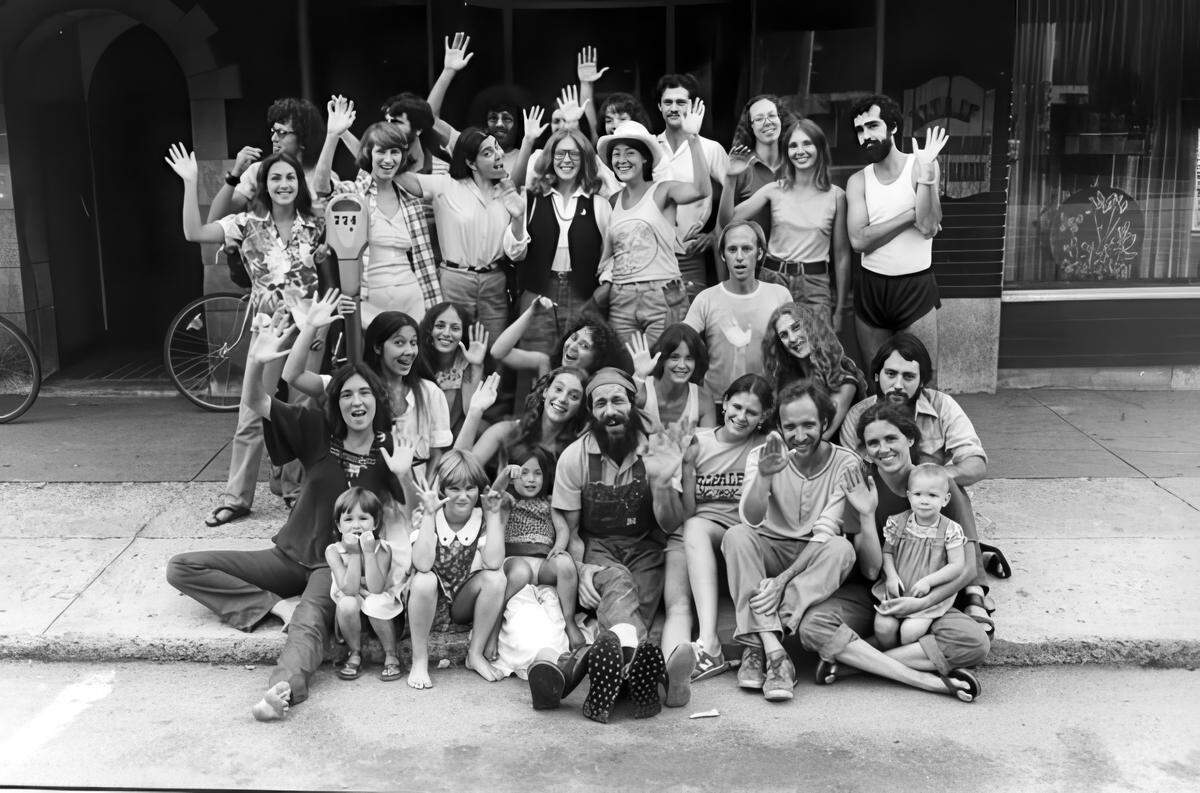
Alfalfa was the first vegetarian-leaning health food restaurant in the region and was committed to the use of locally-sourced products. Its efforts at facilitating bulk buying for not only the restaurant, but also the larger community, was the driving force behind the creation of the area’s first food co-op.
Alfalfa also served as a robust cultural center and community gathering place. Just as all dishes, breads and baked goods were made daily in the restaurant kitchen, artistic expression was nurtured and fed. It actively supported local artists, musicians, students, workers and families through hosting of art shows, evening musical performances, literary readings, community dinners, fundraisers and other cultural events.
While this is certainly a cookbook, sharing the sweet and savory recipes of a fondly remembered local restaurant, it is also a Kentucky community and social history. Local artists and artisans have contributed their work and highlight their talent in the book – painters, poets, photographers, writers, and designers. While documenting and preserving the legacy, history, and recipes of this iconic cultural institution, the book adds personal narratives and first-person accounts taken from the Alfalfa Oral History Project at University of Kentucky.
With publication targeted for late 2025, the book will be 4-color and nearly 400 pages. Included are over 100 black & white photos, press clippings, posters, and event flyers, 130 seminal recipes, and original art work by eight Kentucky artists. In addition to photos collected from the community, Kentucky photographer Guy Mendes documented Alfalfa for decades and has contributed his collection of Alfalfa anniversary photos.
In supporting this project, readers can become a part of the legacy. We build our future by preserving our past. Let’s retain and share the generational knowledge (and many formerly lost recipes!) acquired through the collective endeavor of Alfalfa in this time of celebrating our 250th year.
To learn more, preorder books, t-shirts with the original logo, prints and to support this project, please use this link: Support the Alfalfa Book! by Institute 193 https://fundrazr.com/alfalfabook.
Marina Ubaldi Ritter is co-author and former owner/cook and Anne Nash is a member of the Carrot Cake Collective and former server at Alfalfa.
This story was originally published August 20, 2025 at 10:55 AM.