
There is enough blame to go around in the Fayette schools budget crisis | Opinion
AI-generated summary reviewed by our newsroom.
- School board holds budget authority, levies taxes, hires and evaluates leadership.
- Superintendent manages daily operations and must strengthen budgetary oversight.
- Community must engage year-round: review records, attend meetings, email board.
As an experienced educator, a former school board candidate, a parent of FCPS graduates, and a taxpayer who fully supports public education, I can no longer remain silent about this recent budget crisis in our school system.I am hoping to offer a new perspective and voice of reason as we move forward from this controversy regarding the budget. My major point to make is that there is plenty of blame to be shared between the school board, the superintendent (key district staff), and the Lexington community. Getting a new superintendent is not going to solve the real problem, which is that we all must be engaged and supportive of public education.
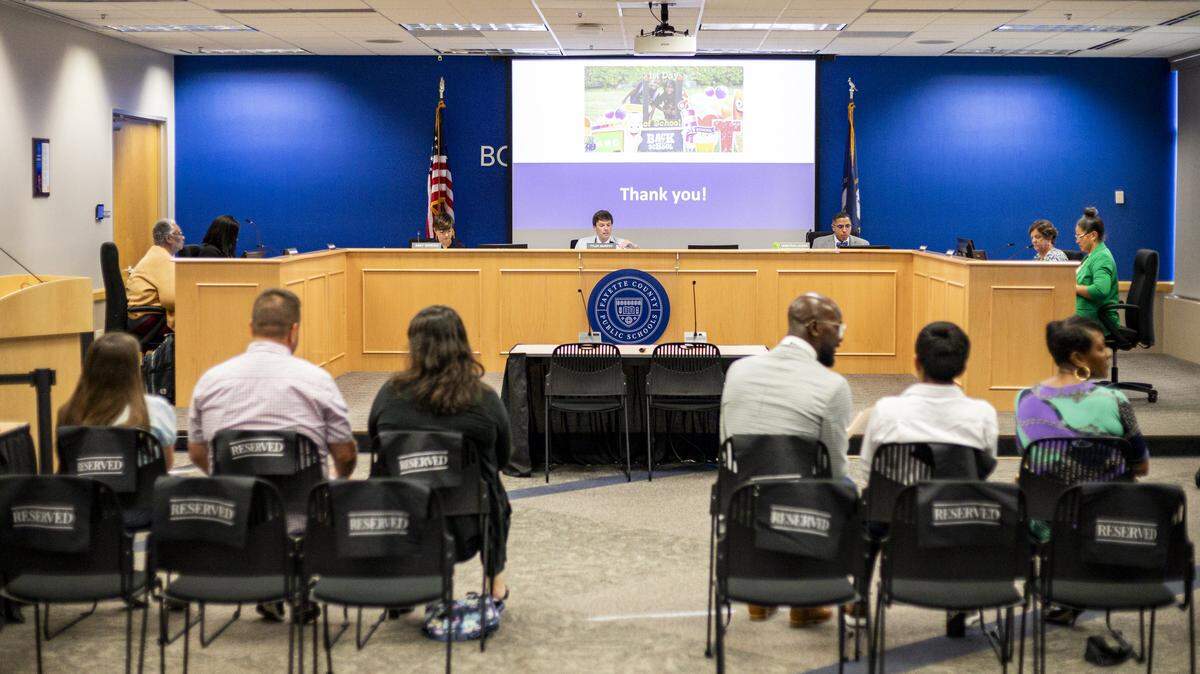
The school board members are elected officials who are responsible for making most of the big decisions for the district. They adopt the budget, levy the taxes, manage all the funds, and hire/evaluate the superintendent. Any complaints about the finances and the specifics of the superintendent contract should be pointed towards them. Board members attend training, but three of them have a lot of experience serving on the Board (Chair has served eight years, Vice Chair has served for five years, and another member who has served for 13 years). Not to mention, the Board has an attorney dedicated to supporting them in making sound decisions. We seem to have a school board that votes on a split 3-2 on most issues and doesn’t seem to trust each other. School boards need to work more like a partnership to make the best decisions on behalf of all its students.
The Superintendent is the top employee of the district and is responsible for its day-to-day operation. He is responsible for hiring key district-wide staff, as found in a 65-page Organizational Chart on the district website. It shows that the Superintendent’s direct reports include the Chief of Staff, Deputy Superintendent, Assistant Superintendent, and Chief Legal Officer. Specific to this issue, it seems the Deputy Superintendent is the top leader responsible for the budget and finance.
The Superintendent has repeatedly stated that he should have asked more questions of his staff. He also stated that there were changes made in processes and practices related to the budget and financial monitoring of the district. There have been annual internal and external audits of the district’s finances. Many people have called for a forensic audit, but I wonder if that is premature and costly, given there has not been evidence of a crime, fraud, embezzlement, or intentional mishandling of funds.
Finally, we, the Lexington community, are not only responsible for electing school board members but staying engaged in the work of “our” district throughout the year. I have been more active in the past, but I have recognized that the larger community chooses to attend and speak at school board meetings during times of discussing the school redistricting map and the levying of taxes. The budget, financial reports, contracts, and audits have always been public documents that most people have not reviewed before or after this budget controversy.
The district has been more transparent and community-driven in the last five years, as evidenced by its “Community Transparency & Accountability” section of the district website (which includes many interactive data portals about the finances and student achievement). I can only hope that more people will review board policies, attend school board meetings, and email their school board member with questions and solutions to the complex issues that affect our district. We can get past this controversy with more reasonable interactions between the community, board members, and the superintendent. We need to continue discussing the complex problems of being an urban district while also acknowledging the many successes of our students and staff, our innovative programs, and state/national awards.
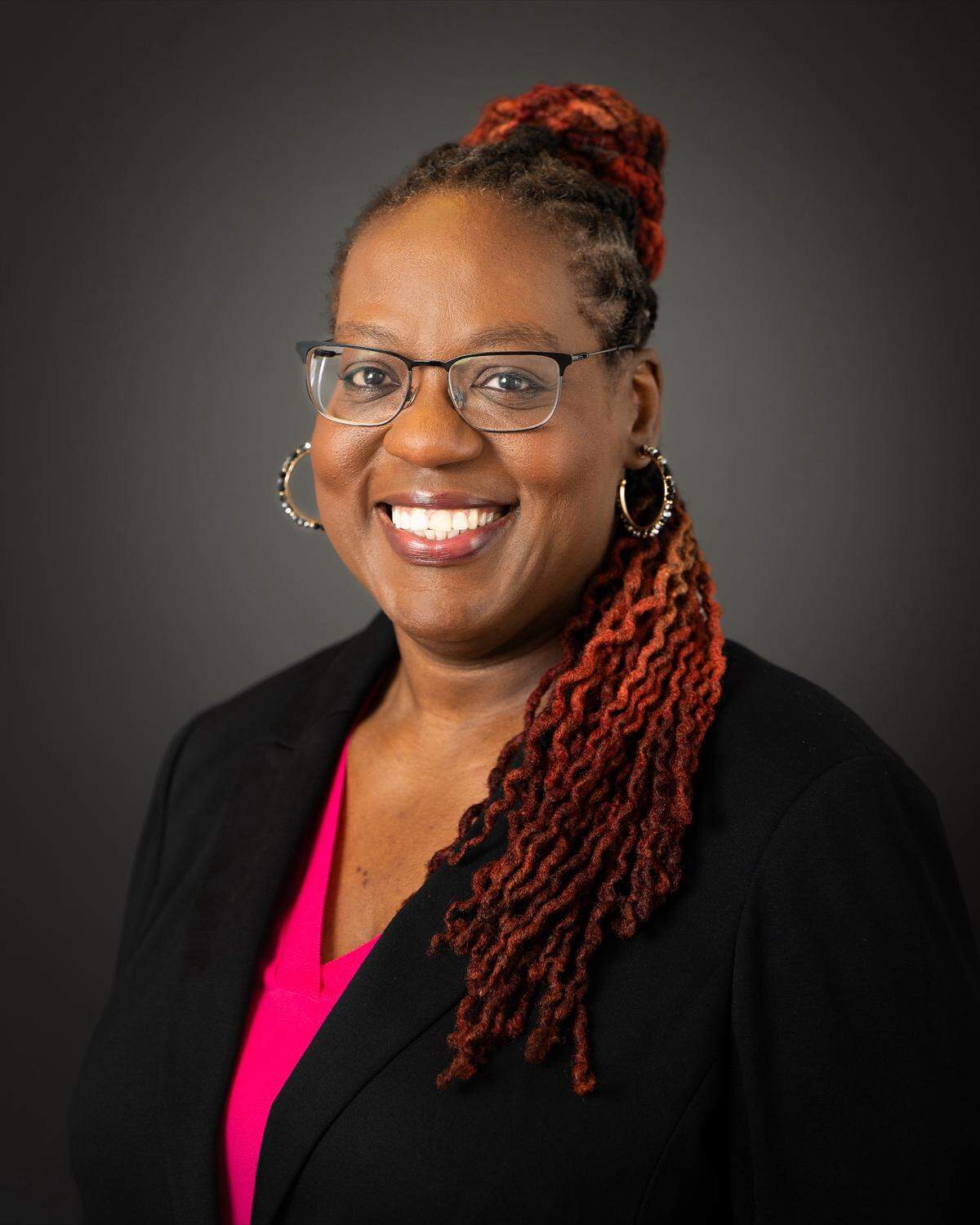
Dr. Shambra Mulder is a licensed psychologist, educator, and community activist.