
Delaware Avenue project shows Lexington can achieve infill development it needs | Opinion
AI-generated summary reviewed by our newsroom.
- City partnerships closed funding gaps and made the Railyard infill feasible.
- Public programs reserved affordable units and funded sidewalks and stormwater.
- Infill projects convert vacant land, curb sprawl, support neighborhoods and jobs.
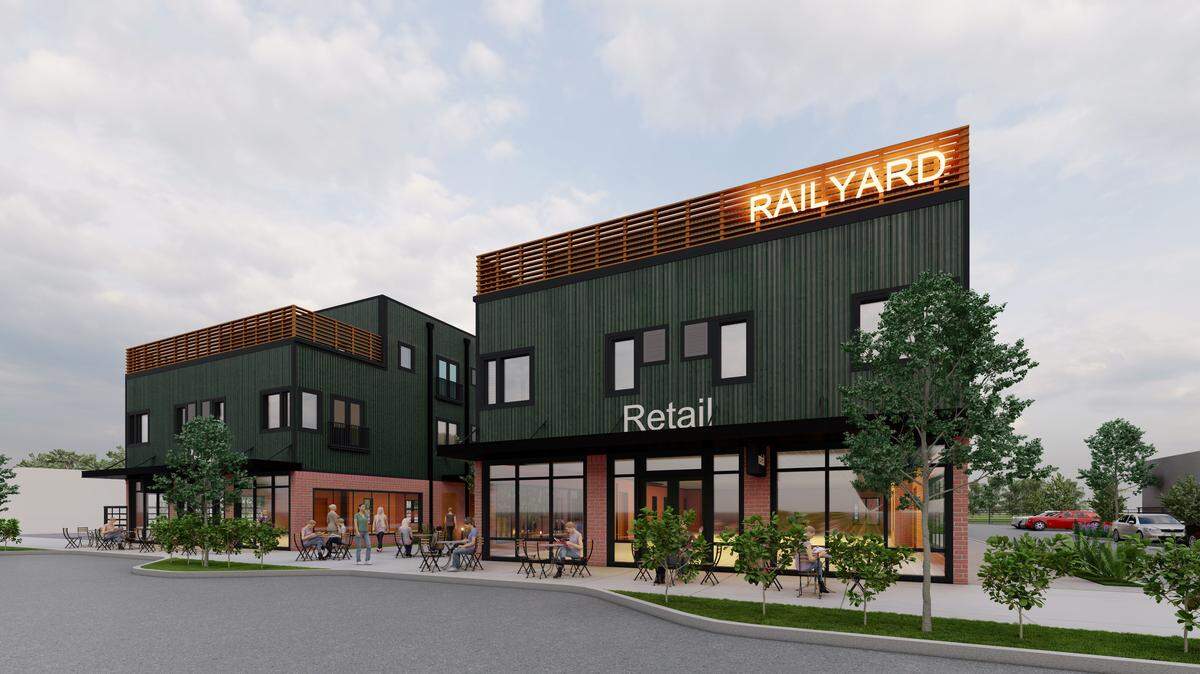
Earlier this year, the Lexington Planning Commission unanimously approved The Railyard, a mixed-use development I’m leading on Delaware Avenue. The one-acre site, which had been vacant and deteriorating for years, will soon be transformed into new housing for working people. As a first-time developer, this project has shown me what it takes to make small-scale infill development work in Lexington.
Public investment and partnership are essential if our city is going to meet its housing needs without adding pressure to expand the Urban Service Area. To protect our farmland and keep housing affordable, Lexington must continue to support projects built within it.
Infill means building on already developed land or land within Lexington’s Infill and Redevelopment Area rather than pushing city limits outward. Expanding the Urban Service Area is costly, requiring new roads, sewers, utilities, and services across farmland. Lexington has made the right choice by protecting its boundary. To honor that commitment, we must put underused sites back to work.
Construction costs are high, and infill projects face additional expenses for utilities, sidewalks, stormwater systems, parking, and environmental cleanup. Each of these adds cost and financial risk. In our case, city support was the turning point. It closed a gap that private investment alone could not. By securing the land at a fair price, keeping pre-development costs low, and value-engineering the design, our partnership with the city made the project feasible.
The project ultimately moved forward by tapping into several city programs designed to address the challenges of redeveloping a long-vacant industrial site. Each one helped overcome a barrier I could not have addressed on my own.
- Affordable Housing Fund: I applied for support to reserve 12 of the Railyard’s 32 apartments for households earning below 80 percent of the Area Median Income. These are teachers, nurses, and service workers who are often overlooked by traditional housing programs yet struggle to find housing within their budgets.
- Public Infrastructure Program: This program supports projects that redevelop underutilized land within the Urban Service Area. For the Railyard, it helps fund new sidewalks along Delaware Avenue and public parking improvements that will benefit nearby residents, local businesses, and future tenants alike.
- Stormwater Quality Incentive Grant: This program supports green infrastructure that goes beyond minimum requirements. For the Railyard, it enables enhanced stormwater management and filtration systems that reduce flooding risk, protect water quality, and make the site more resilient for the long term.
Together, these programs demonstrate how targeted public investment can turn underutilized land into productive, community-serving development.
Why This Matters
City leaders project that Lexington will need more than 20,000 new homes in the next two decades. That scale of growth cannot come from student housing or suburban subdivisions alone. It will require dozens of smaller infill developments like the Railyard that convert vacant land into productive use.
These projects reduce commuter traffic, strengthen existing neighborhoods, support small businesses through ground-floor retail, and make efficient use of existing public infrastructure. Everyone gains when underused land comes back to life.
Public investment in private development often draws scrutiny. Some ask why taxpayer dollars should support private projects, but these funds are not giveaways. They are targeted tools that unlock housing, jobs, and neighborhood improvements that the private market cannot deliver on its own.
My experience as a first-time developer has shown that City Hall can be a partner, not an obstacle, when it comes to smart growth. From early planning meetings to ongoing collaboration with council members, staff, and various agencies, Lexington has shown that it values solutions inside the Urban Service Area.
The Railyard demonstrates that small-scale redevelopment can succeed when the city and private developers work together. To build on this success, Lexington should continue to focus on the types of funding programs I have applied for, such as those that support affordable housing, public infrastructure, and environmental improvements, and streamline processes so smaller and first-time developers can participate.
As someone raising a family here, I want Lexington to remain a place where middle-income workers can still afford to live. Protecting farmland and keeping our city competitive requires investing in infill development. The Railyard is an example of what is possible when public commitment and private initiative come together. The question now is whether projects like this remain the exception or become the model for how Lexington creates places for people to live and work.

Will Hanrahan is a Lexington resident and the founder of 1000 Delaware LLC, developing The Railyard.
This story was originally published October 9, 2025 at 11:32 AM.