
Hemp should support Kentucky agriculture, not poison children | Opinion
AI-generated summary reviewed by our newsroom.
- Congress must close hemp loophole that fuels illicit THC products and harms youth.
- Companies exploit hemp labels to mask high-THC candies and evade enforcement.
- Federal action must prioritize agricultural hemp markets and child safety.
When Congress legalized hemp in the 2018 Farm Bill, the goal was simple: support farmers producing fiber and grain. Lawmakers made that intent crystal clear. Senator Rand Paul pointed out with humor that you’d need a hemp cigarette “the size of a telephone pole” to feel any effect. Senator Ron Wyden added that smoking hemp would only “waste breath, time and lighter fluid.” It was never meant to create a nationwide shadow market for intoxicating THC products.
Yet that’s exactly what happened.
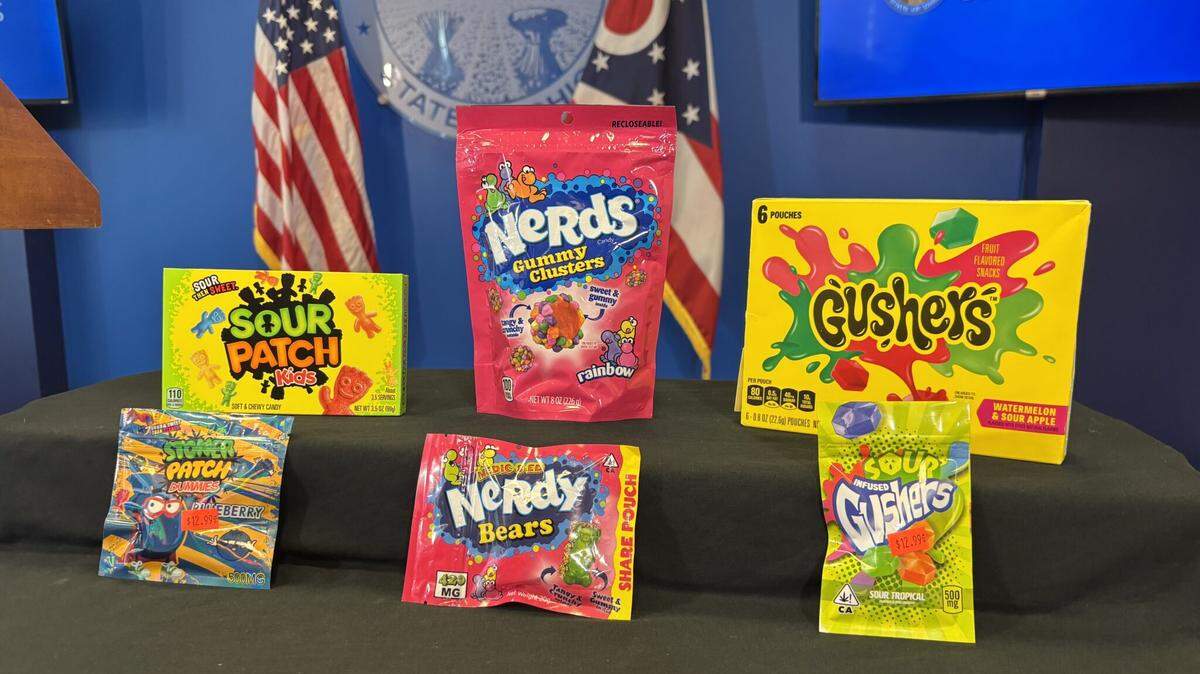
Companies exploited a so-called “loophole” to create intoxicants like delta-8 THC, THC-O, and THCP from legal hemp and sell them in gas stations and smoke shops. These products are often packaged to mimic popular candy brands. The FDA continues to warn that food containing THC is unsafe, adulterated, and illegal to sell.
The deception goes further. Some companies now sell so-called “hemp flower” rolled into cigarettes that are just as potent – or stronger – than marijuana sold in dispensaries. These high-THC flowers could never be legally harvested under U.S. Department of Agriculture rules, but they’re openly marketed as “hemp” anyway.
Smoke shops keep selling them, disregarding consumer safety and the law. To make matters worse, these products are designed to deceive. They look like Oreos, Cheetos, and other children’s snacks. Labels are vague, misleading, or flat-out wrong. And whether something qualifies as “legal hemp” hinges on tiny chemical differences unrelated to safety. Parents, consumers, and even police officers can’t tell legal from illegal products without expensive lab tests.
Youth use has skyrocketed. In 2019, past month THC vaping among 12th graders nearly doubled – one of the largest single-year increases in substance use ever recorded. Today, almost one in four high school seniors (24%) have vaped THC.
We’re already seeing the consequences. Since 2021, poison control centers have handled more than 10,000 delta-8 THC cases. In Kentucky, pediatric cannabis poisonings have increased sixfold since 2018, and youth presenting with Cannabis Hyperemesis Syndrome – severe pain with uncontrollable vomiting – have risen tenfold. No parent should have to wonder whether a pack of gummies at the corner store could send their child to the ER.
That’s not agriculture – that’s endangering children.
The hemp industry widely cites the Whitney economic report, claiming $28 billion in market activity. But those are extrapolations based entirely on unverified self-report from the same stores that have built their business model on deception. They also ignore the far greater costs of impaired driving, emergency room visits, addiction, psychosis, and other mental health problems. Even if the revenue were real, it would be dwarfed by the damage these products inflict on communities and families.
Some claim that banning intoxicating THC products would destroy the entire hemp market. But hemp has countless legitimate uses: nutritious foods and animal feed, durable textiles, sustainable building materials, eco-friendly plastics, rope, clothing, biofuels, and cosmetics, to name a few. To suggest these markets can’t survive without marijuana look-alikes is like saying corn farmers can’t thrive without moonshine. It’s simply not true.
Even the plants tell a different story. Industrial hemp grown for grain or fiber looks nothing like marijuana – it grows tall and bamboo-like, bred for strong stalks. By contrast, the short, bushy, flower-heavy plants cultivated for cannabinoid extraction – and fueling today’s gray-market THC products – resemble marijuana. Addiction profiteers hide behind the word “hemp,” dragging down Kentucky farmers who want to grow real hemp for food, fiber, and other sustainable markets.
Even when states try to act, the results are dismal. A recent study found that 92% of smoke shops in states with little or no regulation sold intoxicating “hemp” products – but so did 90% of shops in states that passed laws to restrict them. Why? Because companies keep inventing new cannabinoids to skirt the rules. This constant cat-and-mouse game shows that state action alone can’t protect kids. Only strong, consistent federal law can close the loophole.
Senator Mitch McConnell is right: Congress must close this loophole, restore hemp to its intended purpose as stated by the sponsors of the original bill, and protect kids before more families are harmed.
Matt Rossheim is a professor, substance use prevention researcher, and parent in Fort Worth.