
The forgotten farmers: why the U.S. hardwood industry needs tariff relief | Opinion
AI-generated summary reviewed by our newsroom.
- Hardwood producers urge inclusion in 2025 tariff relief to restore export markets
- Tariff actions since 2018 cut China sales, forced layoffs and closed mills
- Rural communities seek parity with farmers to preserve mills and jobs
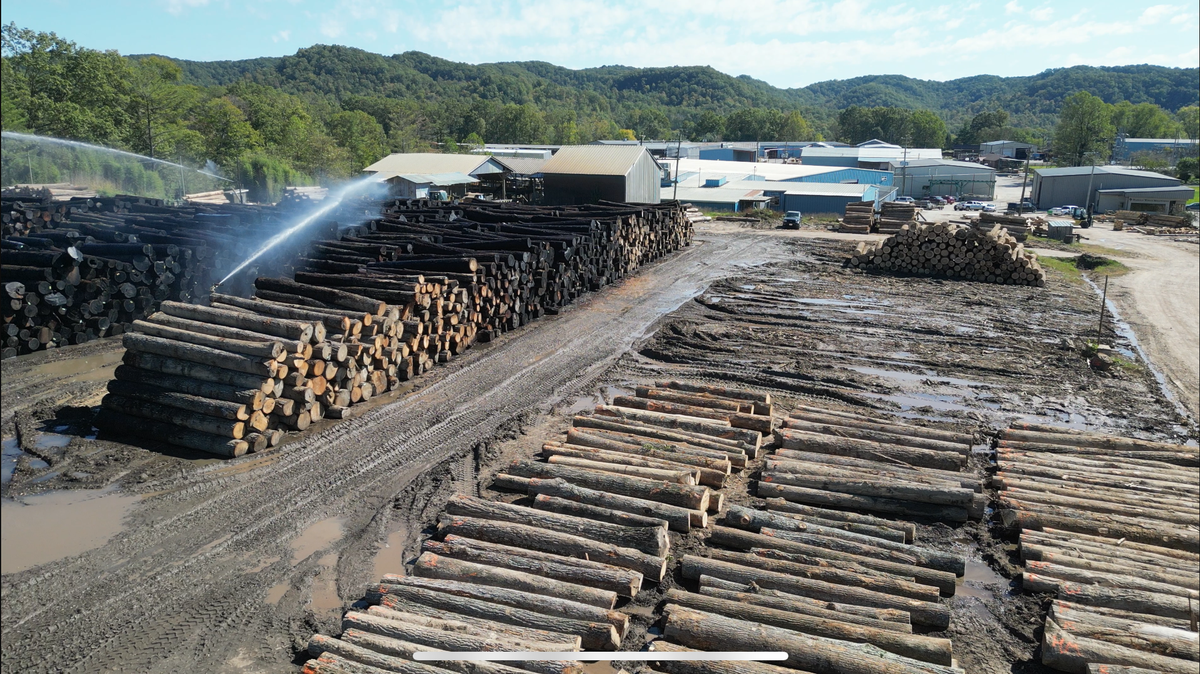
For more than a century, my family has made a living from Appalachia’s hardwood forests. My great-grandfather started in the business in the 1800s, and my father founded Harold White Lumber in the 1960s. For us, timber isn’t just a job, it’s a way of life. As I like to say, when we bleed, we bleed sawdust.
But today, our livelihood is in jeopardy. Our hardwood company, like so many others in Kentucky and across the country, has weathered decades of economic storms. Yet few things have hit us as hard as the trade war that happened in 2018 and the tariff threats that continue today. If the federal government doesn’t step in to include hardwood producers in upcoming farmer tariff relief programs, this proud American industry could become the next casualty of global politics.
At Harold White Lumber in Morehead, about 35% of our sales used to go to China. We had spent years building that market — traveling overseas, forming partnerships, and promoting the quality and sustainability of Appalachian hardwood. Then, almost overnight, it collapsed. When China imposed retaliatory tariffs in 2018, the impact on hardwood producers was immediate and devastating. Orders stopped coming. Containers sat idle. Mills that had been operating for generations were suddenly facing closure.
While exports to the European Union have continued, they can’t make up the difference. The truth is that domestic demand for hardwoods has dramatically eroded over the past 25 years. Since 2008, so much of America’s furniture and flooring manufacturing has gone overseas that the U.S. market is not big enough to sustain production.
The effects have been brutal. Since 2018, we have been forced to reduce our workforce by 27%. We’ve gone from 103 employees to 81 — each one of them a neighbor, a friend, a member of our community. My brother and I even took salary cuts to keep our people working. We were finally on track to get back in the black by 2025. But now, that future looks uncertain again.
The hardwood industry isn’t just about sawmills and lumber yards — it’s about the communities they sustain. In Rowan County, we used to be one of more than a dozen mills. Now, we’re the last one standing. Along with coal, timber built these Appalachian communities. Without it, there’s not much left to hold them together.
More than 450 hardwood businesses and organizations — including 27 from Kentucky – recently signed a letter urging the administration to include hardwood producers in agricultural tariff relief programs. It was terrific to see the industry come together with one voice, but what struck me most were all the names I didn’t see: family businesses that have already gone under in the last few years. They didn’t fail because they mismanaged their operations or ignored changing markets. They failed because trade policies treated them as collateral damage instead of partners in America’s rural economy.
When the federal government provided aid to farmers affected by tariffs in 2018, it rightly recognized that trade policies had unintended consequences for producers who depend on global markets. Hardwood producers are no different. We harvest a renewable resource from the land, we depend on international trade, and we support rural communities. If that doesn’t qualify as farming, I don’t know what does.
The U.S. hardwood industry doesn’t want a handout — we want a fair shot. We’ve survived for generations because we adapt, we innovate, and we create high-quality products that are sold around the world. But no business can survive when half their customers disappear overnight.
If Washington truly wants to stand up for America’s rural economy, it must include the hardwood industry in any future tariff relief programs. The farmers who grow corn and soybeans deserve that support, but so do the ones who grow, harvest, and mill the trees that make American hardwoods the best in the world.
We’ve been cutting and crafting these woods for more than a hundred years. With a little fairness and foresight, we can keep doing it for a hundred more.

Ray White is CEO of Harold White Lumber in Morehead, Kentucky