
On Tuesday, the country did not roar. It paused and took a deep breath | Opinion
I have been in rooms where men try to look unbreakable. The detox intake room at the treatment center. The corner seat in a church basement AA meeting in Grayson. There is always one man talking loud about how he does not care what anyone thinks. We all recognize that voice. The one that tries to outrun shame before it can settle. Lately, that voice sounds different. More tired. Less sure of itself. Even when the talk turns to politics, to Trump, to the old idea of being the toughest man in the room, something has shifted. Not a confession. Not yet. But a kind of slowing down. The moment when a man realizes the performance is wearing thin, and he is not sure who he is without it.
I heard that same shift recently in a voice far from Grayson. Joe Rogan was talking about Trump, but without the old excitement or defiance. The tone was quieter. More cautious. He sounded like a man trying to make sense of someone he once admired but does not quite recognize anymore. Rogan is not a politician and he is not a prophet. But he speaks to a certain kind of man. Men who work with their hands. Men who have been knocked flat by life at least once. Men who believe in earning their place. When someone like Rogan begins to hesitate, it means that hesitation has already taken root in rooms where feelings do not get named easily.
After meetings, men linger in the parking lot. The streetlights in Grayson throw long shadows across the uneven pavement. Someone makes the old joke that if the coffee were any stronger, half the room would relapse. People laugh, but not loudly. It is the kind of humor that comes from knowing how close things can get. Beneath it is something quieter. A few seconds when no one is performing. When a man’s shoulders drop just a little. When he is not trying to hold together a version of himself that life has already worn thin. Those moments are small, but they are real. They are the difference between a life held together by force and a life held together by understanding. You can hear a change in those silences. A wanting for something steadier than noise.
In Eastern Kentucky, politics has always been tied to how a man understands himself. The loud, unbending kind of strength used to have currency here. It made sense in coal towns, in logging crews, in plants where holding your pain together was part of holding your life together. Trump fit that story for a time. He sounded like someone who refused to be controlled or embarrassed. But the constant feuding and the need to be the center of every room has begun to look less like strength and more like exhaustion. Men who have survived their own chaos recognize the cost of it. They know how quickly the bravado drains a life and how hard it is to come back from the wreckage.
These rooms are mostly men. Not because women are absent from addiction or grief or rebuilding, but because the kind of silence I am talking about has been taught to men as identity. The quiet they are learning to sit with now is one they were never allowed to name.
The election results on Tuesday night were not a wave. They were not loud. But they carried the same pause. A few seats flipped. A few margins tightened. Enough to show that something is moving. Enough to suggest that some men who once voted out of adrenaline are beginning to consider what that cost them. The country did not roar. It exhaled. In places where the old performance of toughness once played loud, there is a search underway for something steadier. Not left or right. Not red or blue. Just a different way of holding oneself in the world.
Change almost never arrives with a trumpet. It shows up quiet, like men leaving a meeting one at a time into the night air. The loud voices get softer. The posture eases. The story a man tells about himself shifts by degrees. I do not think last night settled anything. But it echoed what I have been hearing in detox, in recovery meetings, and in the pauses between words when no one is performing anymore. Something is turning over. Not dramatic. Not triumphant. Just real. And real is where things actually begin.
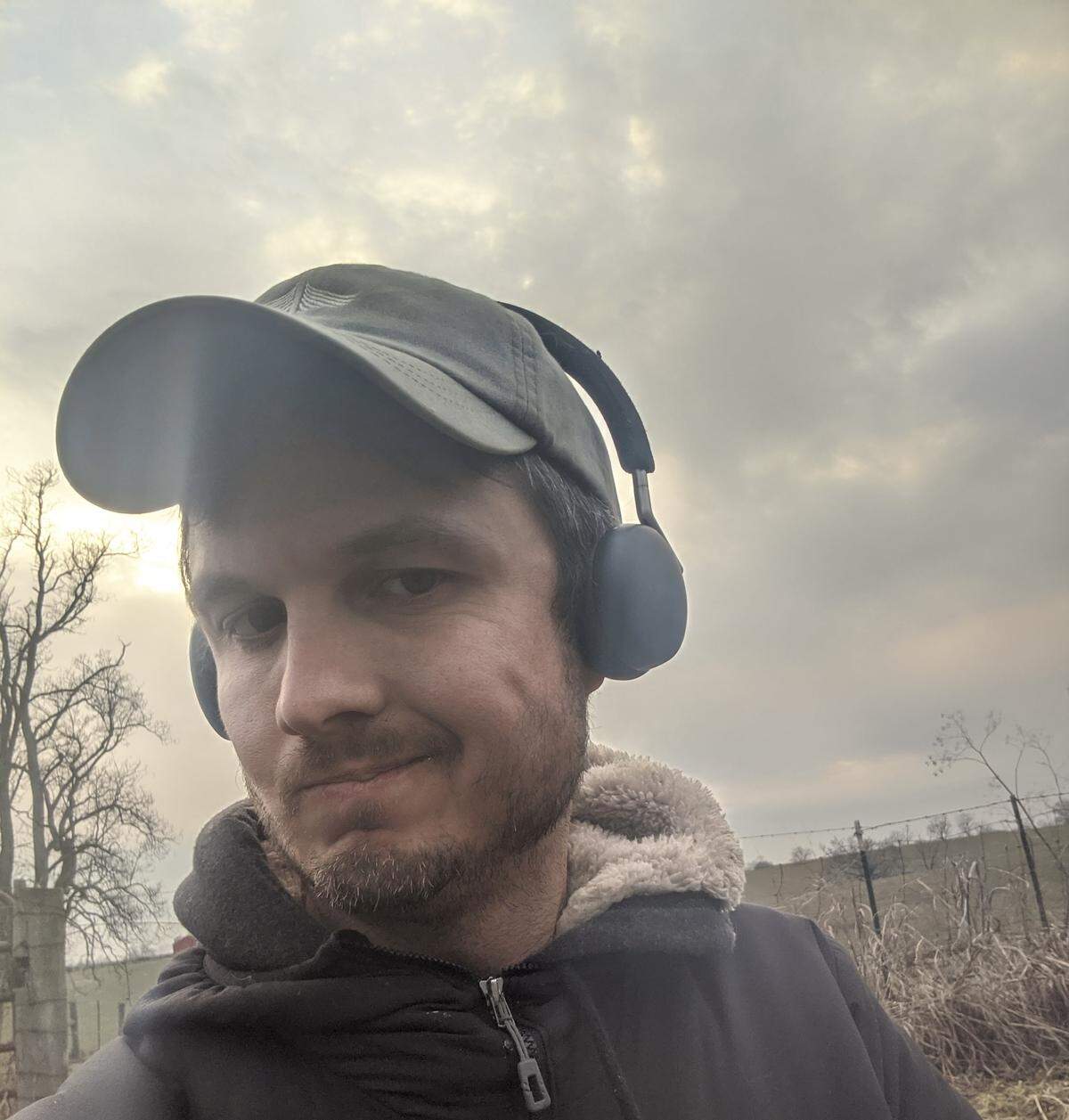
William Ney is the coordinator of Assisted Outpatient Treatment (AOT) at Pathways Inc., a nonprofit behavioral health provider based in Ashland. He is a Master of Education candidate in clinical mental health counseling at Lindsey Wilson College. His work focuses on recovery, advocacy and systemic improvement in Appalachian mental-health care.