
In Cape Cod, I saw a sane immigration policy that Kentucky desperately needs | Opinion
I recently returned from Cape Cod, where I learned that in this high-end second-home region, Jamaicans are the service workers – the grocery clerks, restaurant wait staff, construction workers and landscapers. They are here legally, with dignity, and without fear.
Jamaican labor makes up for insufficient local labor. The youth of year-round families doesn’t want these low wage jobs; they could never afford Cape rent or feed a family. To ensure the labor businesses need, Massachusetts contracts through legal channels for Jamaicans to come and work. Employers must pay minimum wages and supply housing. Workers ride public buses to and from work; I noticed lots of buses, in witness of the local labor infrastructure needed for me to enjoy Cape Cod amenities.
I asked about this labor arrangement; everyone reported it was working well. How long has it been in place? Since the 1960s! Remarkably, some have been ongoing since WWII.
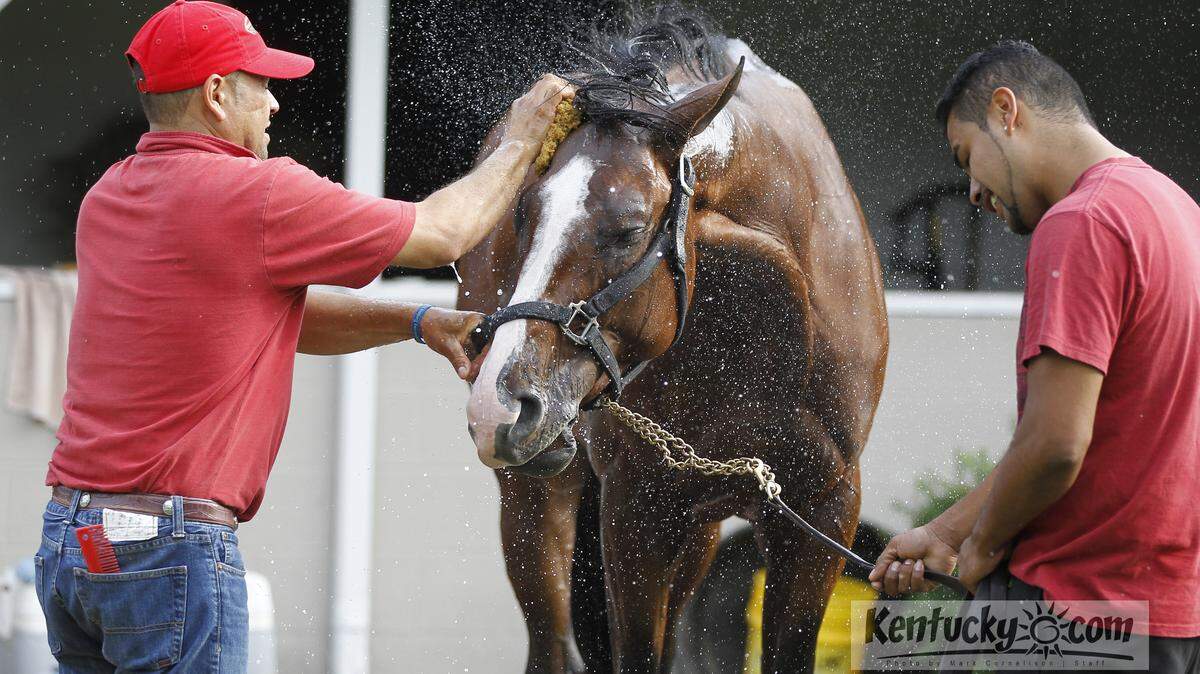
Did you sip a mint julep for the Derby? Did you sport a flamboyant hat for the occasion? Here and across the nation we watch those thundering Thoroughbreds gallop that thrilling run. But what didn’t we see on that first Saturday in May? We didn’t see the thousands of low-wage workers on the track’s backside.
Like Cape Cod, racetracks and larger horse farms rely on immigrant labor, not all of it legal because let’s be honest, many such employers avoid paying decent wages. But there on the backside are the hands and bodies that do the heavy lifting of transport and stall cleaning and exercising and washing and preparing hundreds of horses for one race day. We wear our flamboyant hats and sip our mint juleps.
This past June, Immigration and Customs Enforcement conducted a raid at Louisiana’s Delta Downs Racetrack, arresting 84 people. Only four were later identified as having criminal records. Imagine the chaos that the sudden loss of 84 trained backside workers meant, not only for that specific track on that specific day, but for the many other tracks and race days in its race circuit.
The Louisiana raid sent fear across the nation’s entire horse industry. Tracks investigated and sent legal guidance to their staff, particularly for areas that access the backside. Why? Because the Fourth Amendment to the US Constitution protects ALL against unlawful search and seizure. To date, we haven’t had ICE raids in Kentucky’s equine industry; might Barr and McConnell have nicely asked for raids to go elsewhere?
What our Commonwealth and our country need is a sane, safe, adequate labor policy to meet our economy’s labor needs. This exists on Cape Cod, but we need it nationally.
Before the 2024 election, the Secure the Southern Border Act, was written by Republican Oklahoma Senator James Lankford. Through open debate and compromise, it became a fully bipartisan immigration bill. The bill was moving through Congress, heading for a positive vote until then-candidate Trump instructed his Republican allies to sink it. Why would he derail a bipartisan labor policy our nation has lacked for 40 years? To prevent President Biden from achieving an important political win. Trump’s Senate Republican allies toed the line and did his bidding.
Now, we witness the daily specter of ICE raids across our nation’s cities and meatpacking and equine industries. Unlike in Cape Cod, these service sector laborers work in fear and live without dignity, even while they perform essential services for our benefit. Even if they are US citizens or otherwise are here legally, they can still be caught up in the sudden chaos and potential violence of an ICE raid, followed by the nightmare of detention.
How is any of this good for our economy or for our beloved country?
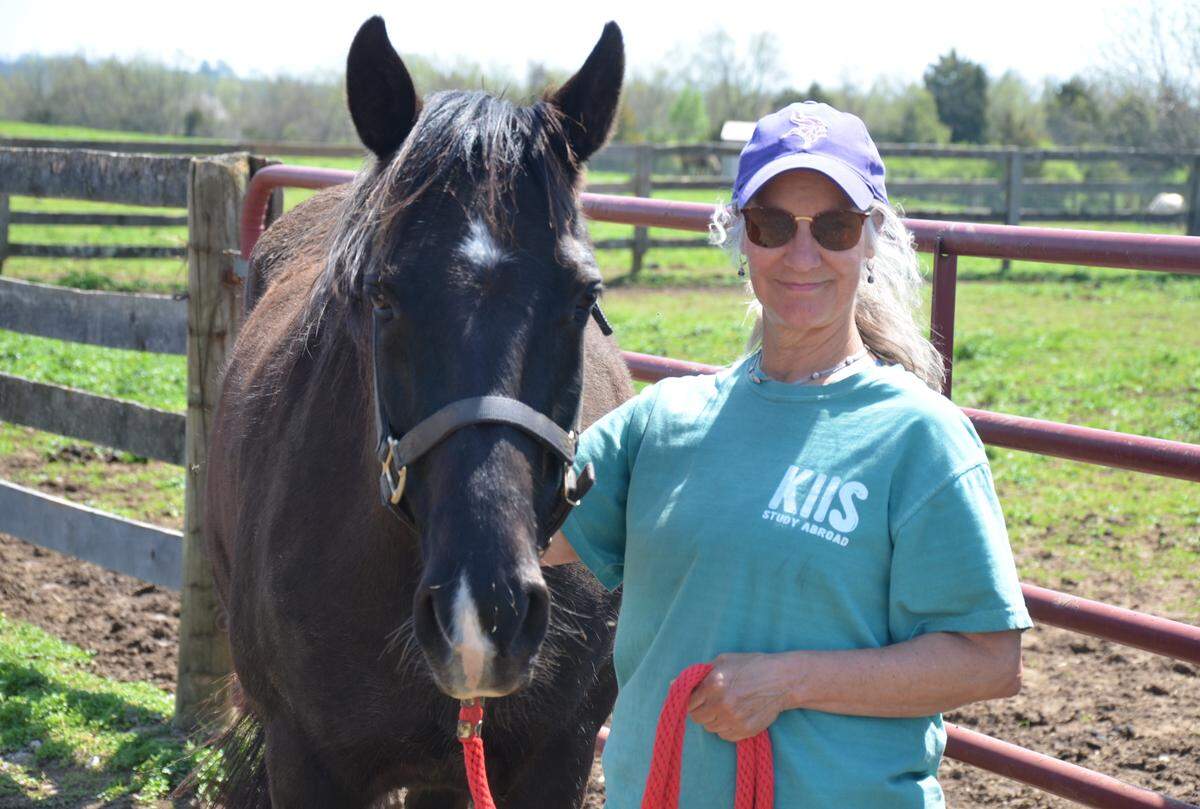
Kelli Carmean is a local horsewoman, and a recently retired Eastern Kentucky University professor.