
The holiday movie that’s shown us a better way to live since 1946 | Opinion
AI-generated summary reviewed by our newsroom.
- Author revisits 'It's a Wonderful Life' and spotlights George Bailey's civic duty.
- George responds to crises by acting for neighbors, shaping Bedford Falls' fate.
- Column urges readers to seek out and thank quiet local problem-solvers this season.
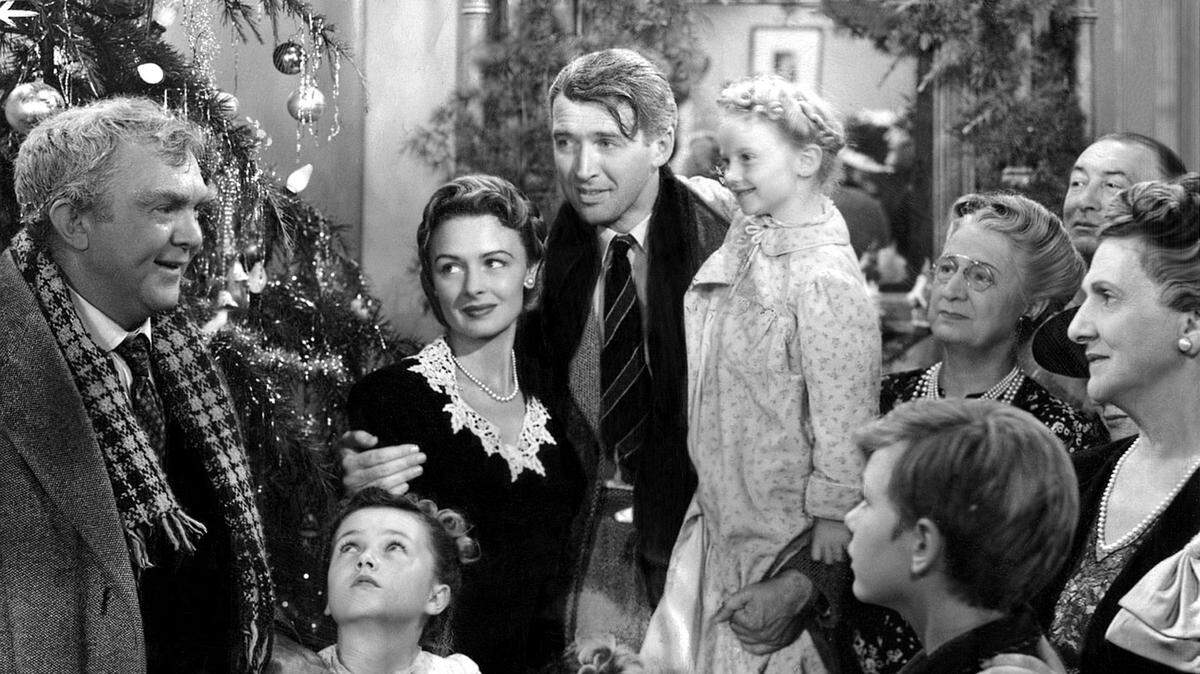
It’s December again, and once again I’ll watch Frank Capra’s holiday classic, “It’s a Wonderful Life,” a movie in which an angel named Clarence has been given the task of convincing George Bailey that his life matters.
The movie, released in 1946 and widely presented on TV and in theaters since the 1950’s, gains resonance with each passing decade and each new national crisis. Jimmy Stewart, just back from serving in WWII and experiencing his own crisis as an actor, portrays George Bailey with nuance and intensity as George meets life-altering moments. Watching the film this year, I am struck by the vision of manhood George Bailey embodies.
On a snowy bridge, at his life’s ultimate turning point, George acts on instinct and jumps in to save Clarence, literally leaping past his own despair. The emotional arc of the movie flashes out in a moment, as Jimmy Stewart’s face shifts from inward agony to attention and action when Clarence hits the water. In that moment, as at every crisis point in his life, George is driven by his certainty that other people’s lives are as real as his own.
A smart, ambitious boy, eager to leave Bedford Falls, George is a problem-solver, a natural leader. His gift is his ability in times of crisis to see what is happening and what needs to happen next—when his brother falls through the ice, when Mr. Gower has fixed the wrong medicine. When Mr. Potter, the town’s unscrupulous banker, eager to take over Bailey Building and Loan bullies and belittles George’s father, George speaks up. He says and does what’s needed, even when that puts him in danger.
George’s dreams have been thwarted again and again by this imperative to “do the right thing.” George is the one who asks the important question, who says what others cannot or will not. “Don’t you see what’s happening here?” he asks his shareholders when desperation tempts them to sell their shares to Potter during the bank panic. George turns to each shareholder in turn. He names each friend and neighbor, tying their stories together, convincing them that their shared ownership of the Building and Loan allows of them to afford a decent place to live.
A decent place to live changes everything. George sees that clearly. In the midst of his own crisis he asks Clarence, “Do you have some place to sleep?” The difference between Bedford Falls and Pottersville is the difference between a thriving community whose natives and immigrants (the “better citizens” George urged the Building and Loan Board to believe in) “working and paying and living and dying” create a stable middle class and a crime-ridden town whose bright neon lights promise false escape from the unpleasant reality of not making enough money to pay the rent.
Choosing to do the right thing hasn’t been easy and doesn’t even make George happy—in fact, on some levels he is the “warped frustrated young man” that Mr. Potter tries to manipulate. But the fact is, we don’t have to be aware that what we choose matters for it to matter. In “It’s a Wonderful Life,” George’s painful choices build not only his life, but a town.
We don’t often think about the crises that are averted — the way that history is shaped by things that did not happen, usually because someone did the right thing at a critical moment. With each choice, part of George felt that he was failing what he had imagined as his destiny, yet with each small choice, he made something good possible. This is the power of our connection with one another.
I would wager that most of us know a George Bailey who quietly does what’s needed. Someone whose belief in others’ worth makes all of us better people. This holiday season, we might make it a point to seek them out and thank them.

Leatha Kendrick is a Lexington poet and essayist whose fascination with It’s a Wonderful Life began in 1957 when as an eight-year-old she first watched the film on TV.