
Former U.S. Defense Secretary: Sen. Rand Paul shows ‘courage’ in war powers fight | Opinion
In Venezuela, U.S. troops have engaged in actions that would typically be understood as acts of war — extracting President Nicolás Maduro, targeting maritime vessels, and imposing a de facto blockade. Yet these actions all occurred without a vote of authorization from Congress, the only branch empowered by the Constitution to declare war.
The Constitution did not vest the power to wage war or reshape foreign policy in any single individual. It deliberately divided that authority and an essential role in guiding the nation’s actions abroad. At a time when the president acting alone has become increasingly normalized, it is worth pausing to recognize those in Congress who are working to restore the balance the framers intended.
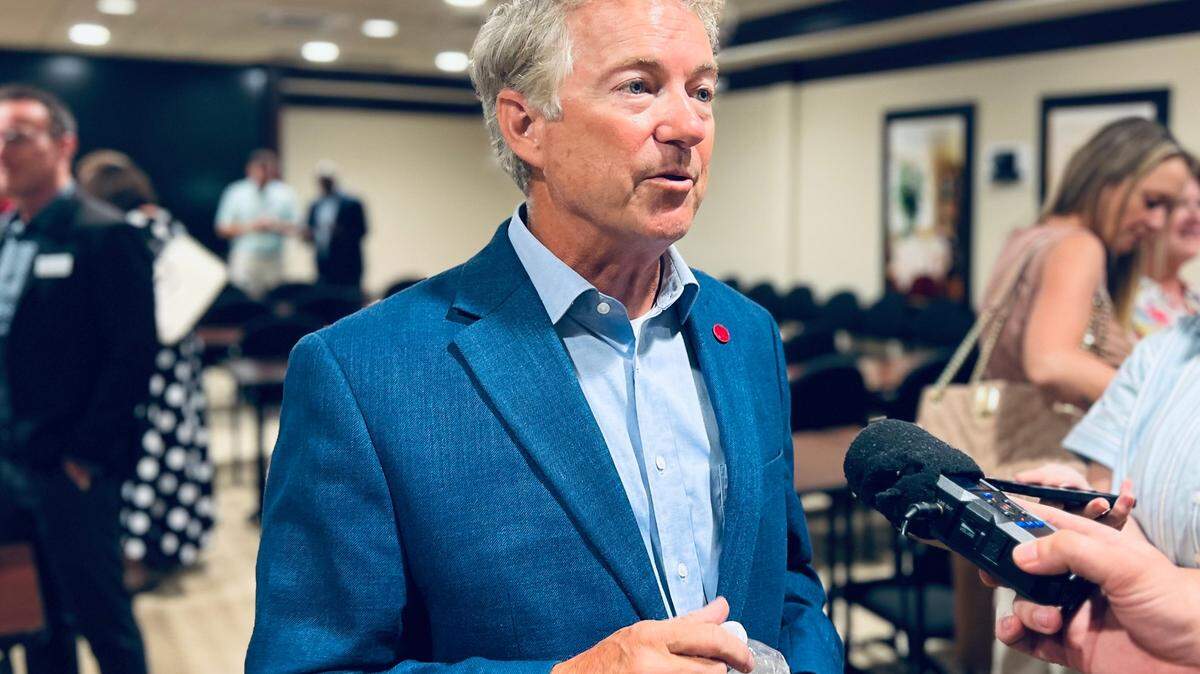
Sen. Rand Paul of Kentucky has done precisely that. Through his support for war powers resolutions concerning Venezuela, his insistence that it is the job of Congress to “initiate and declare war,” and his clear-eyed comments on Greenland, he has reaffirmed a fundamental principle: Congress is not an afterthought in foreign policy. It is a co-equal branch of government with constitutional responsibilities that cannot be delegated or ignored.
This is not a partisan point, but a constitutional one. And in an era when institutional norms are strained at home and abroad, Paul’s example deserves both recognition and emulation.
His position reflects a straightforward reading of the Constitution and the war powers framework Congress has developed over decades. Decisions about war and peace should not be made by a single person without debate or clear authorization.
When lawmakers are excluded, objectives become ambiguous, public support erodes, and conflicts drift without clear endpoints. I have seen the cost of this dynamic from many sides — first, as a soldier in the Vietnam war, then as a Republican senator voting on matters of war and peace, and finally, as Secretary of Defense responsible for carrying out those decisions. Public servants — whether they be soldiers or members of Congress — take an oath to uphold the Constitution. The system only works when they take this oath seriously.
As renewed U.S. threats and diplomatic pressure toward Greenland reverberate across NATO and the Arctic, Paul has underscored that it “has to be Republicans [who are] brave enough to step forward” since they control both chambers of Congress. That may sound elementary, but it is worth restating when impulsive and unilateral declarations increasingly drive foreign policy signals. This creates uncertainty for our allies and undermines much of the rules-based international order we have dedicated ourselves to for 80 years. Through our partnerships — and access to bases overseas — we can project power, sell American products and grow our economy, resulting in more jobs at home.
In Kentucky, if our elected representatives don’t get a vote in sending our children to war, then families could pay the ultimate sacrifice because of the whims of one leader. This could increase the risk of Kentucky’s men and women in uniform being put in harm’s way by an unnecessary and totally avoidable war.
Although this moment feels particularly volatile, the underlying issue traces back much further than one senator or one administration. Over many years, under presidents of both parties, Congress has allowed its role in authorizing military action to diminish. This pattern has shifted responsibility away from elected representatives and toward the executive.
Today, challenging the executive branch carries real risks for Congress. However, when legislators avoid difficult votes or public disagreement, constitutional checks and balances weaken not because the law has changed, but because political incentives discourage their use.
Reasserting Congress’s role ensures that military action is grounded in law, public debate, and shared responsibility. That framework strengthens American credibility, reduces volatility, and provides clearer guidance to the men and women who serve in uniform.
Paul’s votes and statements on war powers and foreign policy underscore that Congress still has the capacity — and the obligation — to exercise its constitutional authority. These actions show courage and are what he was elected for. Other lawmakers should take note. The future of our constitutional democracy, and the future of the rules based order around the world, depends on this type of leadership.
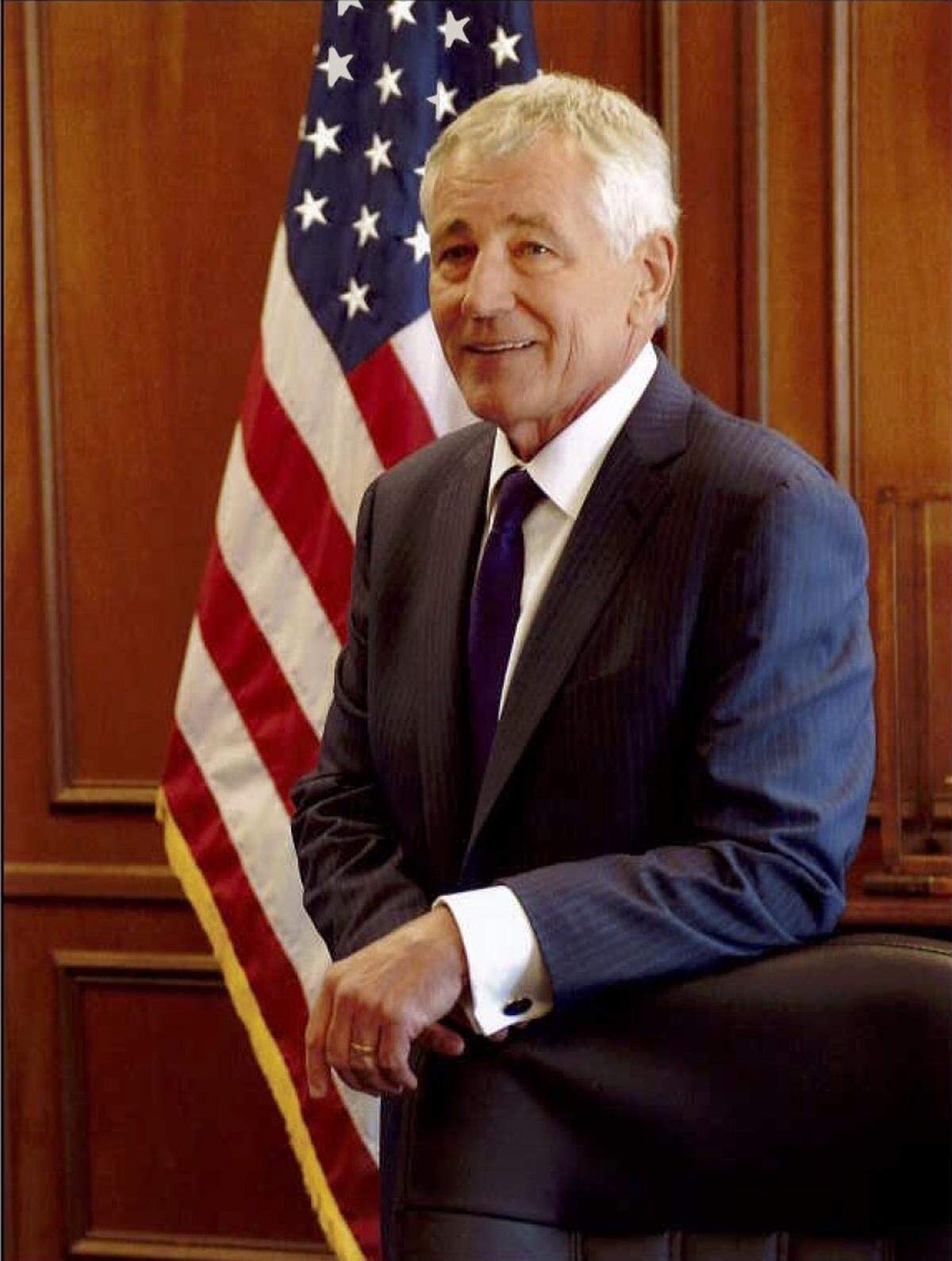
Chuck Hagel is the former Secretary of Defense and a former U.S. Senator (R-NE). He also served in the Vietnam war as an infantry squad leader for the 9th Infantry Division alongside his brother, Tom Hagel, in 1968.