
SB 8 would suppress the voices of rate payers who fight for lower electric costs | Opinion
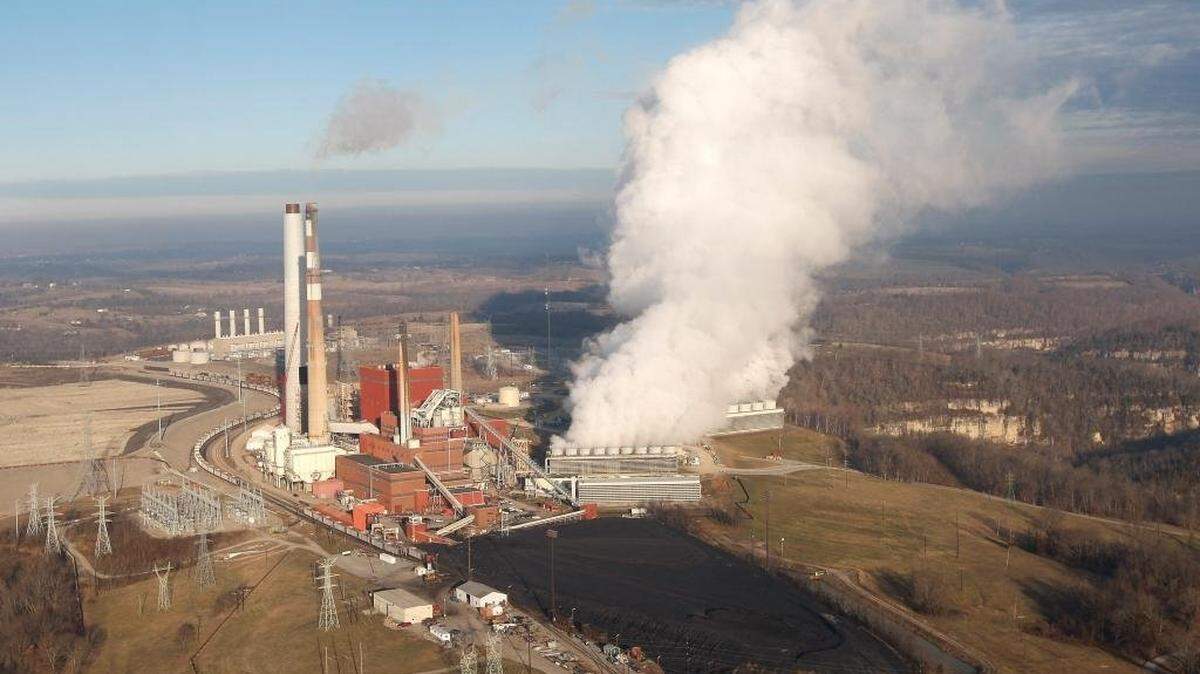
When the Public Service Commission held public comment meetings on Kentucky Power’s latest rate increase request, people came in numbers. They spoke with what the PSC’s Final Order called “ardent and heartrending pleas” against any rate increase. Customers described not just the burden of rising bills, but chronic service failures — outages during ordinary weather events, not disasters.
Kentucky Power and its customers are caught in what regulators call a “death spiral.” As Eastern Kentucky’s economy and population decline, the utility has fewer customers among whom to spread its costs. That forces rates up. Higher rates drive more customers away. The cycle accelerates, and the only lever anyone seems willing to pull is another rate increase.
I am not happy about the rate increase the PSC ordered. I am especially troubled that Kentucky Power was allowed to structure it so that customers who use less power bear more of the cost — punishing the very people doing everything they can to keep their bills down.
The better lever is demand-side management (DSM): weatherization assistance and efficiency upgrades that help customers reduce consumption and shave peak demand in ways that postpone costly new generation. These are not charity programs. They are structural investments in the stability of the grid and the economic health of a region already under enormous strain. The PSC understands this — it rejected the Attorney General’s argument that DSM programs should be eliminated, noting they lower costs for all customers and that, with LIHEAP under federal threat, it would not “compound the challenges that low-income customers face.”
The people who most fervently push back on rate increases and present alternative options are consumer intervenors. In the Kentucky Power case, and in many recent cases, intervenors broadened what the PSC considered possible — bringing in national experts and proposing arrearage management programs, expanded DSM, and rate designs that protect vulnerable customers. They are, in a practical sense, the parties most responsible for expanding the menu of options on the table.
Senate Bill 8, now moving through the Kentucky General Assembly, would effectively remove consumer intervenors from the room.
Under SB8, a party may intervene in a PSC case only by demonstrating by “clear and convincing evidence” a “special and unique interest” in the specific rates at issue. “Generalized assertion of specialized knowledge” is explicitly ruled out. Read plainly, this language is designed to ensure that groups representing low- and middle-income customers do not qualify.
SB8 also designates the Attorney General as the sole advocate for residential consumers when he or she intervenes. That sounds protective. But the AG’s position in this very case — arguing to eliminate demand-side management — is a reminder that a single designated advocate is no substitute for the range of voices rate cases require.
When the only voices in the room represent the utility and its largest customers, rate increases become the only answer on the table. SB 8 doesn’t just limit who can participate in these proceedings. It limits what outcomes are possible.
For Eastern Kentucky families already paying too much for unreliable power in drafty homes, that is not an abstract procedural concern. It is a guarantee that the next rate case will look exactly like this one — and the one after that.
The legislature should be moving in the opposite direction: expanding the PSC’s authority to implement arrearage management, robust demand-side management, and rate designs built for a region in economic crisis. The people who came to those public meetings and pleaded against this rate increase deserve a process in which their interests are actively represented — not one quietly engineered to make sure they aren’t.
Mary Cromer is Deputy Director of Appalachian Citizens’ Law Center in Whitesburg.