
Former mine sites could be used for data centers in Eastern Kentucky | Opinion
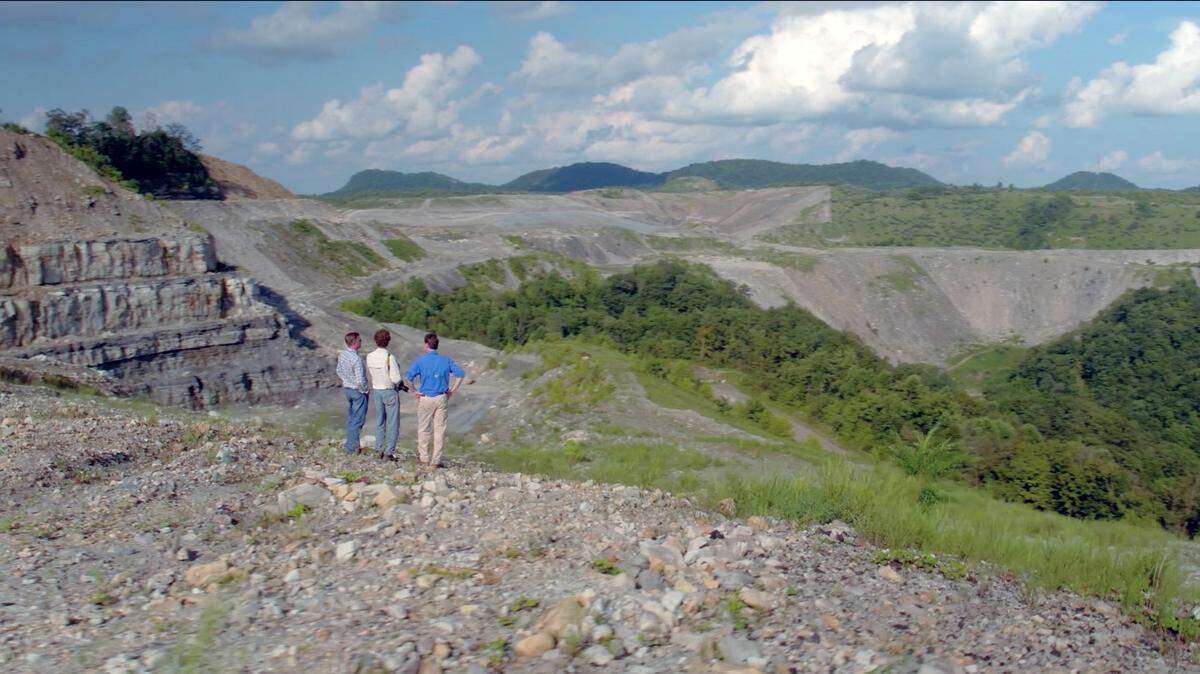
A recent opinion piece by Senator Brandon Smith addressed the issue of high electric bills for consumers in Appalachia. There are also many controversies surrounding the location of proposed data centers in Kentucky and beyond raising rates for the public. Data centers are significant electricity consumers that generate heat and require efficient cooling solutions. The costs associated with this should not fall on consumers but should be absorbed as normal business expenses by the companies involved. Water supply presents challenges due to variable stream flows, complex regulatory compliance, and drought conditions. Instead of placing data centers on valuable farmland, they could also be located on reclaimed mountaintop mine sites throughout Appalachia and on mine lands in the Western Kentucky coal fields, similar to recent solar farm initiatives in the regions.
Lexington also just approved the beneficial reuse of an old landfill for solar. Solar farms on mine sites are already under construction in Eastern Kentucky, with more proposed on reclaimed mine sites. Water-based cooling systems, especially using mine pools, are ideal for managing heat load due to their thermal efficiency. Traditional cooling methods often rely on evaporation, which could reduce regional water availability. Mine pools, which can span large areas and maintain stable temperatures around 52 °F, are a feasible alternative. Use of mine water for cooling is permitted and encouraged in many states, providing a sustainable and cost-effective solution for data centers. This innovative approach can transform abandoned mine sites into assets for large data centers, supporting a low-carbon, energy-efficient cooling infrastructure. Furthermore, Kentucky’s reclaimed mine and underground quarry sites offer ready access to utilities and roads, making them suitable for future industrial developments, including data centers, which can thrive in their naturally stable environments.
Kentucky, having more underground quarries than any other state, already sees some converted for industrial, recreational and commercial use, providing naturally temperature-stable environments (approximately 55 °F) with internal water resources that can support cooling and other infrastructure needs. Another analogy is Kentucky’s High Ground initiative building hundreds of new homes for flood victims above the flood plain in East Kentucky on reclaimed mountaintop mine sites, proving that mining does not destroy land forever as read so often in press reports.

Steve Gardner is a Lexington-based mining and environmental engineer, and the past president of the American Institute of Mining, Metallurgical & Petroleum Engineers.