
Yes, Chevy Chase DOES deserve better than fearmongering about recovery | Opinion
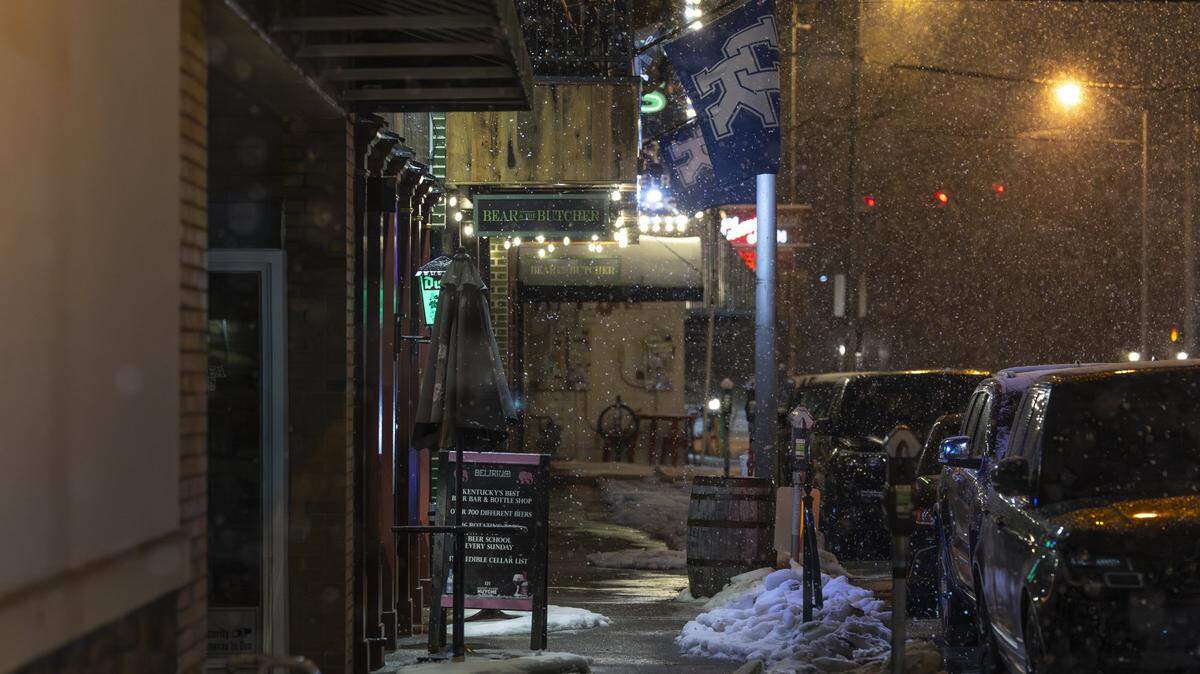
I recently learned about the potential for Roaring Brook Recovery Center to obtain a permit to use a building in the Chevy Chase neighborhood for their inpatient program. I was encouraged by this news because I believe if we want strong communities, we need to invest in caring for our neighbors when they are at their most vulnerable. Unfortunately, some of my neighbors do not seem as encouraged, and they are using misinformation and fear to press their opposition.
The website “Chevy Chase Deserves Better” explains how close the building is to churches, schools, and Ecton Park. A short video invokes images of needles juxtaposed with images of a family playing in their pristine yard. The voice-over says, “Families, kids, and faith communities shouldn’t be collateral damage in someone else’s plan.” They are using this language and these images to incite fear, and I would like to explain why this fear is a harbinger of ignorance.
While Roaring Brook primarily offers substance abuse treatment, a statement from their CEO indicates they would be offering a broader range of services at this location. Regardless, even if it was solely going to be used to house patients receiving treatment for addiction, that is not an active threat to our children, communities, and religious freedom as their statements imply. Countless graduates of inpatient recovery programs are proof that access to quality mental health care is both necessary and useful to our communities, and I am just one living example.
In 2016, I was admitted into a dual diagnosis program where I received treatment for substance abuse and PTSD; March 12 of this year marked 10 years of sobriety and emotional stability. I was not a danger to the community while in treatment nor was anyone else going through treatment with me. I am still friends with many of them, and we have all gone on to live productive lives. My personal accomplishments since then are too many to list here, but I am most proud of earning my PhD in Educational Policy Studies in 2023.
The treatment center I attended appears similar to Roaring Brook’s approach, where housing for the inpatient program was sometimes located in neighborhoods. Inpatient treatment centers that provide living arrangements outside the sterile environment of hospitals aim to improve the quality of care. Perhaps my neighbors opposed to this permit haven’t considered how living in a space that feels more like a home than a hospital room might dramatically improve outcomes.
Finally, this type of housing is reserved for patients who don’t require high levels of observation and security. My neighbors who are opposed to this project likely do not understand that an accredited, qualified mental health program won’t just have people who are a danger to themselves and others living in a residence without appropriate levels of consideration and security.
While I do agree with my neighbors that Chevy Chase deserves better, their message is constructed by a perceived threat from their own fear of what they do not know and understand.
Rather, I believe improving access to quality care will, in fact, make our community better. And so, I would like to ask my neighbors to set aside their fear and misinformation to learn the truth about what inpatient recovery means. For us to thrive as a community we must, as philosopher Hannah Arendt says, learn to bear with strangers in this world; and part of that means stepping outside of our own privileges to understand what our communities could provide to better meet the needs and dignity of all people.
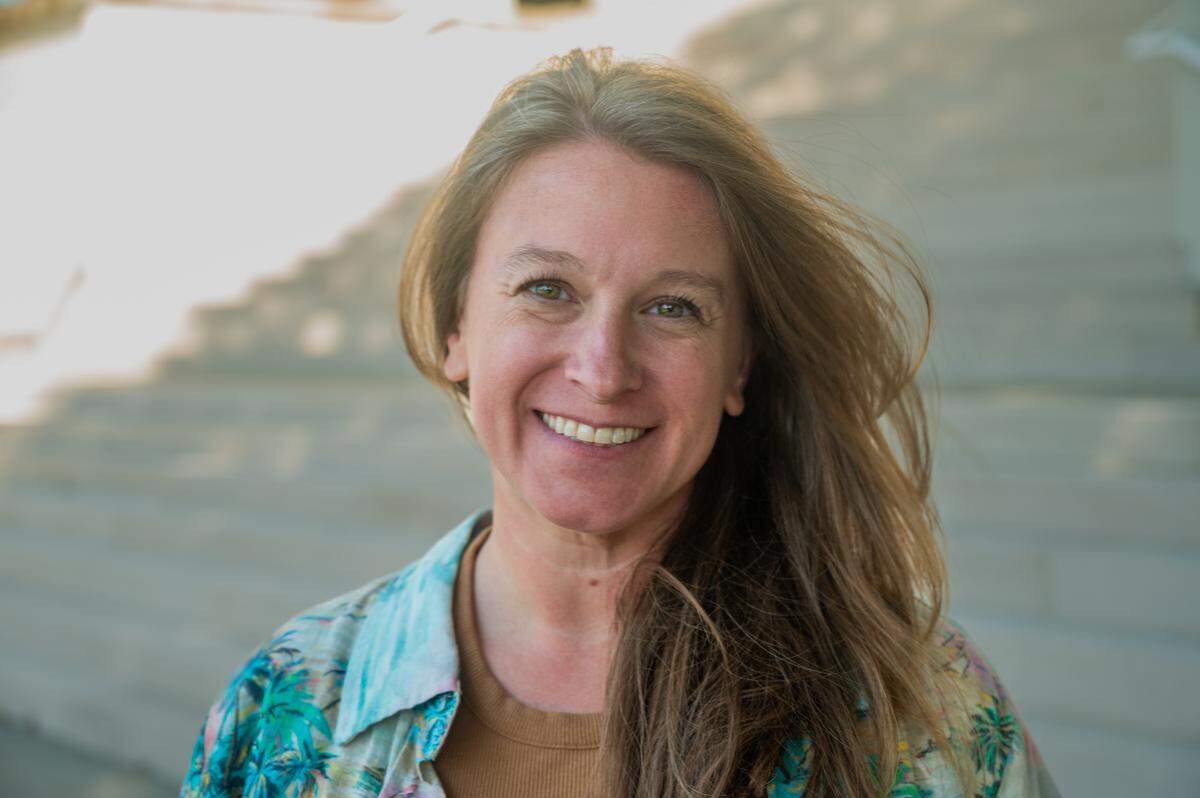
Erin C. Scussel lives in the Chevy Chase neighborhood; she is a Ph.D. researcher in how mis/disinformation influences public policy and decision making.
This story was originally published March 13, 2026 at 5:30 AM.