
Seeking justice: why faith should not dictate medical care in Kentucky | Opinion
“Learn to do good; seek justice, correct oppression.” (Isaiah 1:17)
Those words call us to protect the vulnerable. Yet today in Kentucky, abortion bans are doing the opposite, placing patients and physicians in impossible situations.
The Bible offers guiding principles about compassion and moral responsibility. It is often cited as justification for abortion restrictions. But Scripture does not explicitly mention abortion, nor does it define it as a sin. Interpretations vary, and in a state as diverse as ours, no single religious interpretation should dictate medical law.
I attended Catholic school for 10 years, went to Mass twice a week, and participated in religious programs outside of school. My faith shaped me. From my parents and teachers, I learned empathy, kindness and respect for human dignity. Those values are what led me toward the medical field. They also compel me to speak now.
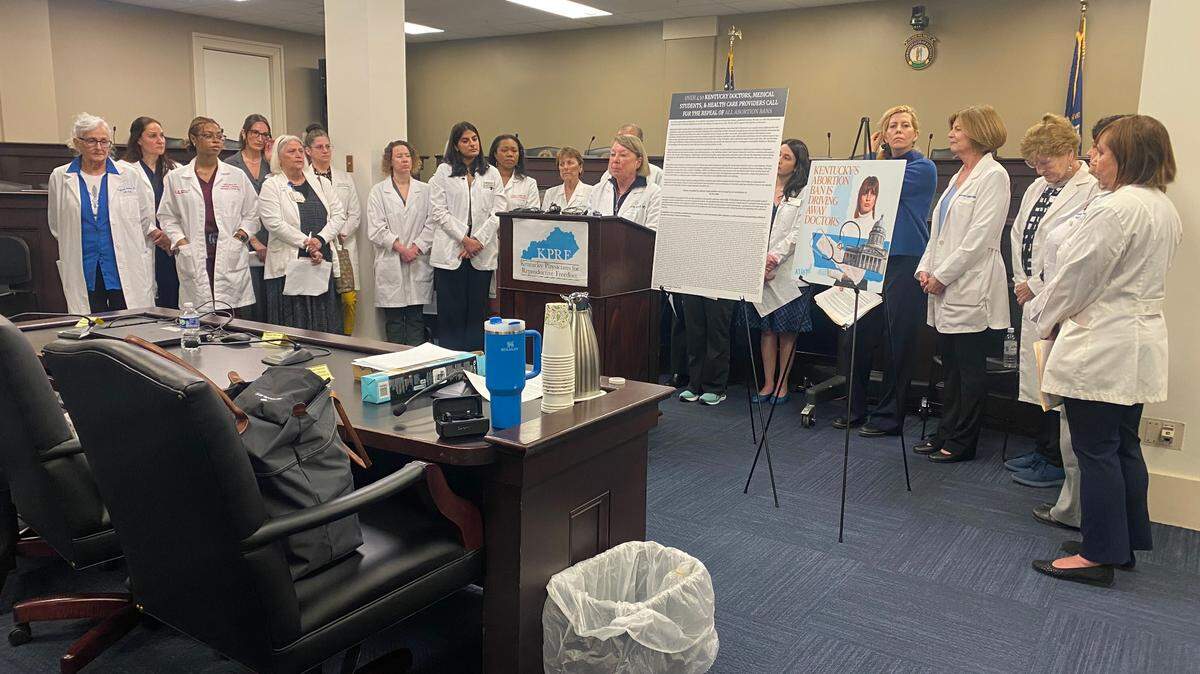
As a Kentucky medical student, I worry about our current healthcare landscape and the harms to public health that abortion restrictions are already causing. I think about what this means for me as a future physician, for the people I love, and for the communities that shaped me, both now and in the years to come. Will they receive timely, compassionate care when they need it most?
We are a commonwealth built on both faith and freedom. Catholics for Choice states that religious liberty means not only the right to practice one’s own beliefs, but also the right not to have someone else’s beliefs imposed through law. In the melting pot that is the United States, where countless traditions, faiths, and convictions coexist, that principle is essential.
Protecting religious freedom means ensuring that personal theology does not determine another person’s medical options. When the religious beliefs of politicians shape healthcare policy, the line between private morality and public law begins to blur, putting both reproductive freedom and religious freedom at risk.
Access to basic healthcare should not depend on a zip code. Yet in Kentucky, it does. A pregnant woman facing a miscarriage or a dangerous complication may find her doctor unable to act promptly because of fear of legal consequences. Physicians across our state have described hesitation, confusion, and delays created by laws that threaten criminal penalties.
Women have already died under abortion bans, including Amber Nicole Thurman in Georgia, and Josseli Barnica and Nevaeh Crain in Texas, after critical delays in care. These are not abstract policy debates. They are preventable medical tragedies. They are the predictable result of laws that interfere with timely, evidence-based care that trained healthcare professionals are fully capable of providing.
No other health condition is regulated in this way. Pregnant people should not have to consider crossing state lines to receive the treatment their doctors know is necessary.
I struggle with what feels like a moral contradiction: a “pro-life” movement that claims to protect life while accepting preventable deaths of women. Many of these women are already mothers, central to the stability and love of their families. I cannot reconcile a commitment to life with preventable deaths caused by delayed or denied care. An obstetrician I deeply admire once said, “You cannot have healthy babies without healthy mothers.” That truth stays with me. Children deserve to enter a world that safeguards the lives of those who care for them, not one divided over whether their mothers receive basic, timely healthcare.
It is a privilege to care for people. The relationship between a patient and a healthcare provider is deeply personal and often formed in moments of fear and vulnerability. That relationship should not be overshadowed by criminal statutes or political pressure.
Protecting medical judgment does not undermine faith. It honors it. Compassion, mercy, and care for the suffering are central teachings of Christianity. Kentucky can uphold those values without endangering women’s lives.
If we truly seek justice, as Isaiah calls us to do, we must ensure that medical decisions remain in the hands of patients and trained professionals and that preventable suffering is never written into law. We must unite as people committed to caring for our neighbors and keeping our communities safe. The sooner we act, the more lives we can protect. Justice demands nothing less.
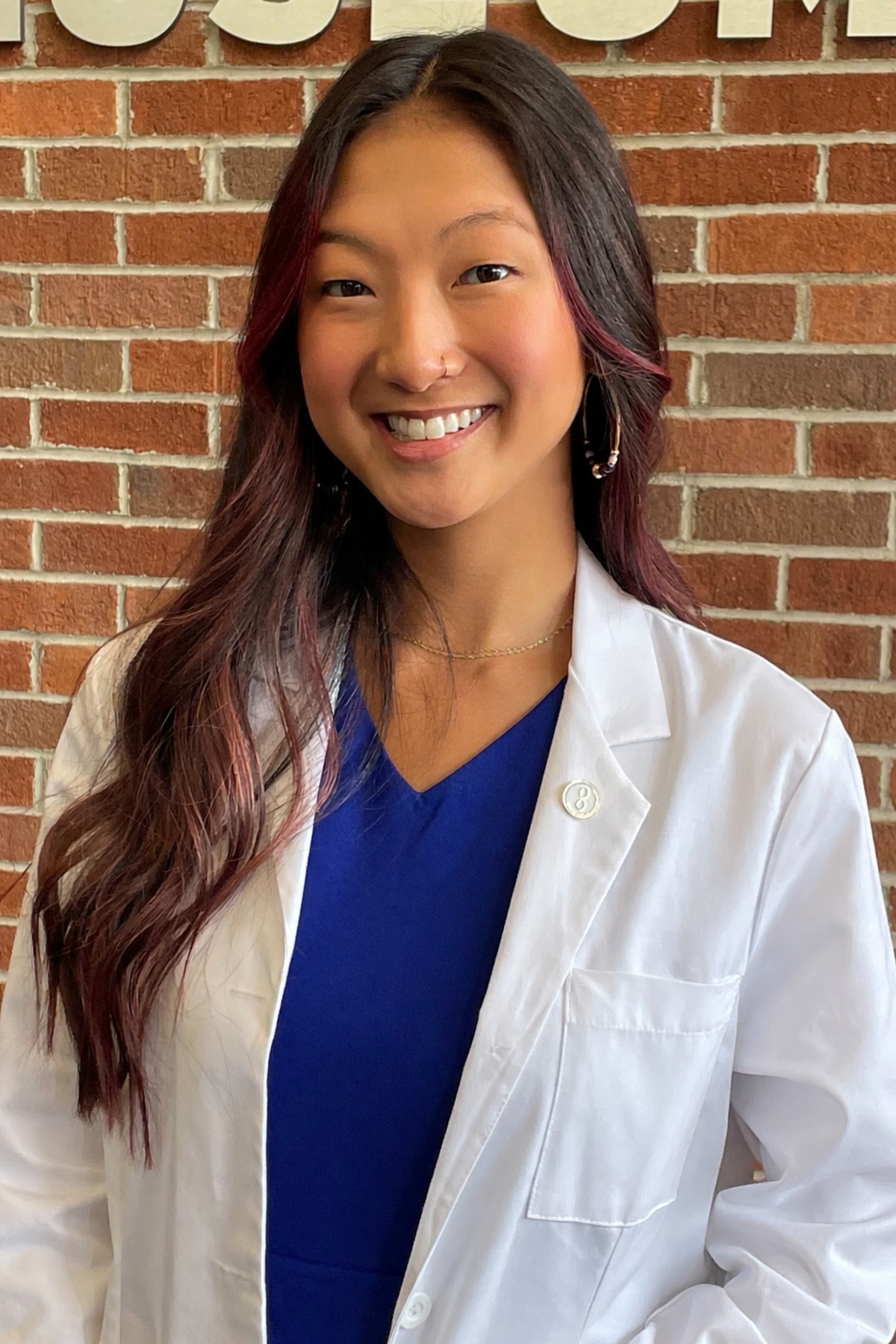
Carlie Cryer is a second-year medical student in Kentucky, where she is Vice President of the Medical Students for Choice chapter.