
Before you weigh that baby, ask how mom’s mental health is doing | Opinion
When “Caitlin” brought her 6-week-old daughter to a well-baby visit in a small Kentucky clinic, she smiled as the nurse weighed her. She answered questions about feeding and sleep and said her baby was “doing great.”
What she didn’t say was that she hadn’t slept in weeks. Not because of the baby, but because her mind wouldn’t quiet. She felt overwhelmed and alone. Each morning brought a sinking sense of dread. She carried guilt for not feeling the joy she thought motherhood would bring.
And no one was asking her how she was doing.
Caitlin’s story is not unique. In 2022, 17.6% of Kentucky women reported depressive symptoms within three months of a live birth. That’s more than one in six new mothers. Nationally, maternal mental health conditions are the leading complication of childbirth, affecting one in five mothers.
Yet an estimated 75% of women with these conditions receive no treatment and often no diagnosis.
The problem is not just prevalence. It is identification.
Recent quality data show that in 2023, only a small fraction of Kentucky mothers were formally screened for postpartum depression under standardized reporting measures. While screening may occur outside those metrics, the numbers reveal a troubling reality: far too many parents are never assessed.
A recent maternal mental health “report card” gave Kentucky a C- overall and an F specifically for screening and screening reimbursement. We know mothers are struggling. We also know our systems are not consistently catching it.
A bill before the Kentucky General Assembly, HB 386, offers a practical solution. It would require insurers, including Medicaid, CHIP, private insurers, and state employee health plans, to cover screening for perinatal mood and anxiety disorders when a parent accompanies a child under age two to a well-child visit.
The concept is simple: use appointments families are already attending to check in on parental mental health.
Infants and toddlers have frequent well-child visits in their first two years. While new parents may miss their own postpartum appointments due to transportation barriers, work demands, or exhaustion, they rarely skip their baby’s checkups. Pediatric visits are one of the most reliable touchpoints families have with the health care system.
If someone had handed Caitlin a brief questionnaire during one of her daughter’s visits, or gently asked, “How are you coping?” she might have received help sooner. Validated tools take only minutes to administer, but can open the door to counseling, medication, peer support, or reassurance that what she is experiencing is common and treatable.
The consequences of untreated maternal depression extend beyond the parent. Research shows associations with impaired bonding, developmental delays, behavioral concerns, and increased health care use in children. When a caregiver is overwhelmed by anxiety or depression, it shapes the earliest environment in which a child grows.
Caring for babies requires caring for parents.
HB 386 also removes financial barriers by requiring coverage without cost-sharing in most plans. For families already navigating the costs of diapers, childcare, and medical bills, even a modest copay can deter care. Eliminating that barrier emphasizes that maternal mental health is essential preventive care.
Importantly, the legislation complies with federal requirements and protects Medicaid funding. It does not create a new entitlement program or an unfunded mandate. It simply ensures that when pediatricians screen parents during well-child visits, insurance will cover it.
Screening is not diagnosis or labeling. It is a brief, evidence-based check-in that normalizes conversation during a vulnerable time and reduces stigma.
In exam rooms across Kentucky, some parents are thriving. Others are barely getting by. Without routine screening, we cannot tell the difference.
Kentucky’s children deserve caregivers who are supported, seen, and heard. Passing this legislation would be a practical, compassionate step toward healthier families across the commonwealth.
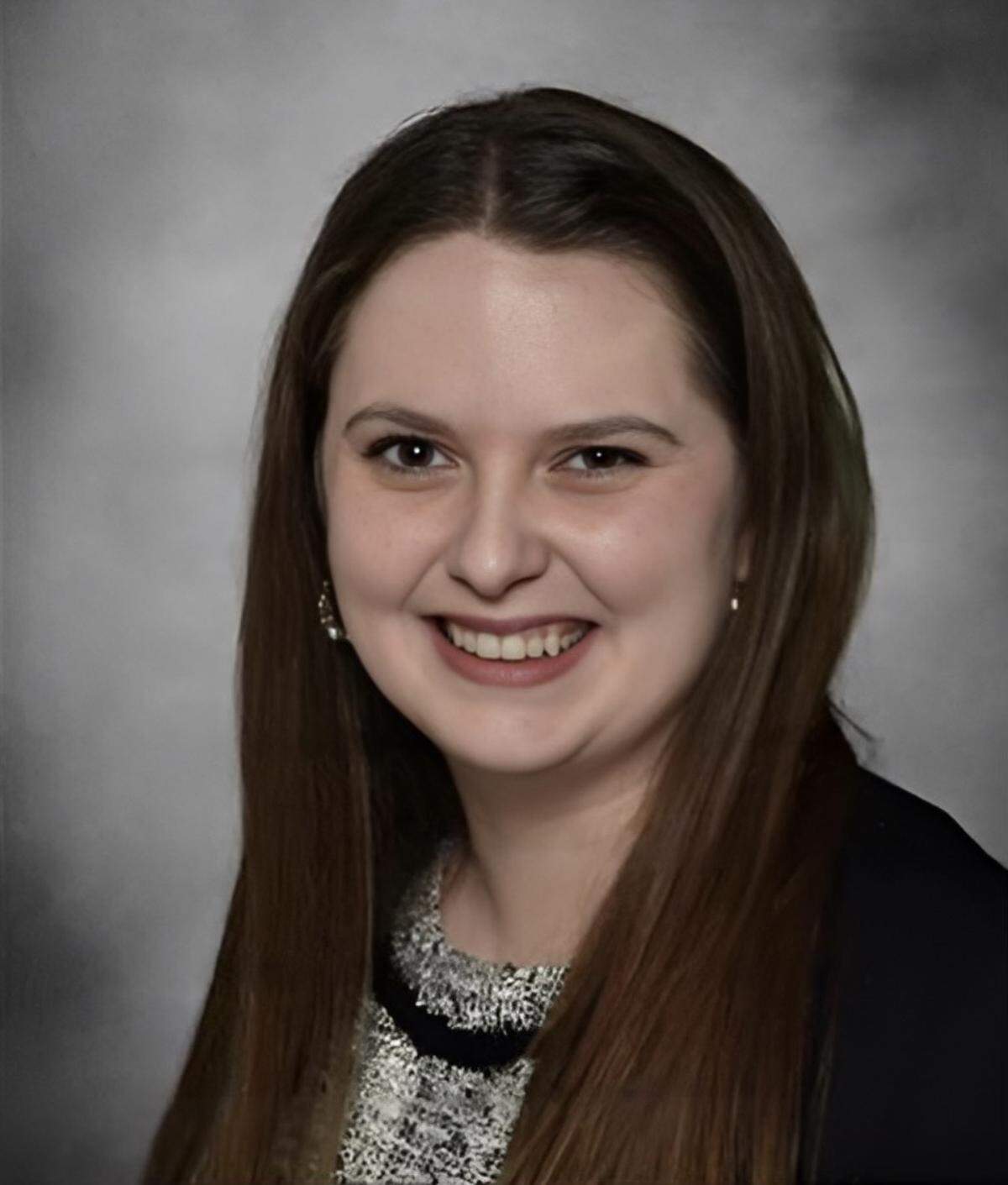
Shelby McCubbin is a graduating medical student at the University of Kentucky, and a lifelong Kentuckian. She is passionate about psychiatry, the medical humanities, and improving access to health care, and hopes to build a career dedicated to all three.