
Al Smith: Time to honor a Kentuckian who opened doors for others
While Kentucky political leaders clamor for removal of the Jefferson Davis statue from the Capitol rotunda as their response to the racist slaughter in a South Carolina church last week, the question of what historic figure might replace Davis has surfaced.
I have a name, so please read on.
As states across the South remove various symbols of their Civil War past, the shocking pictures of the gunman with the Confederate flag have clearly linked his despicable deed with a belief in white supremacy.
The Davis statue will likely go to the Thomas D. Clark Center for Kentucky History in Frankfort or to Todd County where Davis, the only president of the Confederate states, was born.
Yet Kentucky, which sat out the Civil War, but then, as the mocking adage has it, joined the losers (in sympathy and segregation) for the next 100 years, has miles to go beyond ridding itself of homage to the Lost Cause through offensive license plates, flags and bumper stickers.
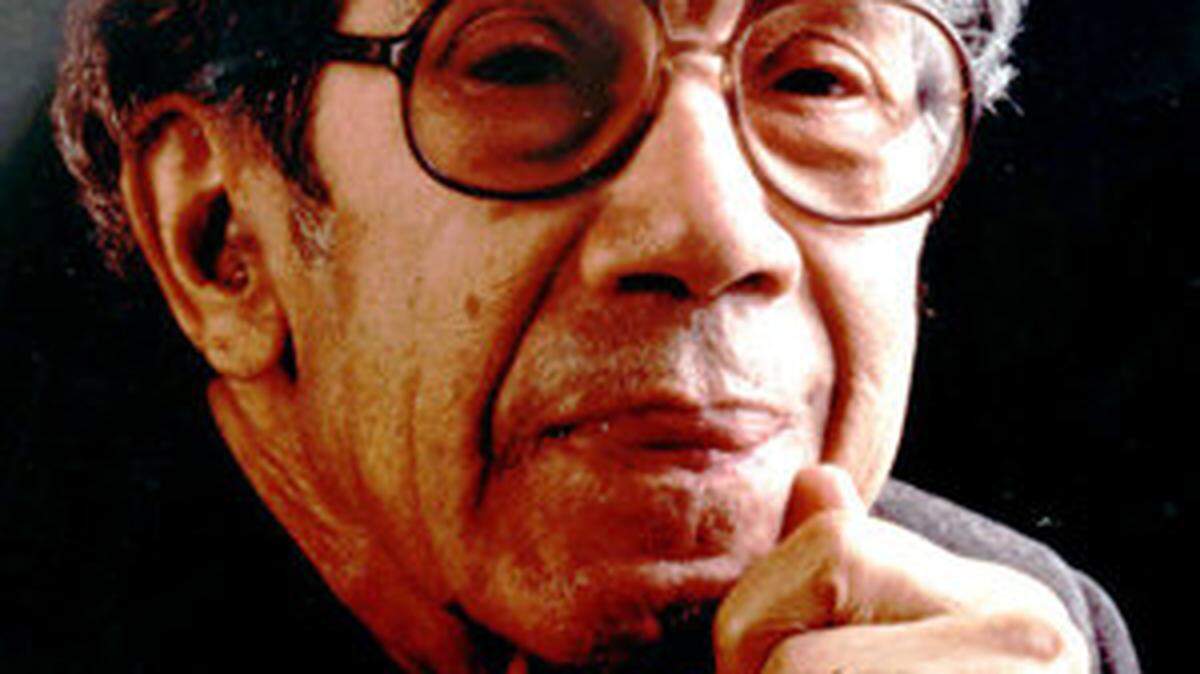
A start along that trail of redemption would be to install a statue of Lyman T. Johnson, the African-American school teacher from Louisville who sued the University of Kentucky for two years until he won a court order in 1949 to admit him to its graduate school.
Our basketball heroes of modern times, those of color — like Willie Cauley-Stein or Karl-Anthony Towns and other impressive stars at UK — might never have played for the Cats had not Johnson blazed the way to desegregate UK.
It wasn't easy. UK and its Frankfort allies stalled off an earlier applicant with 28 legal maneuvers until he gave up.
But Johnson, then 43, with two degrees, including a master's from the University of Michigan, was indisputably the right man, and a fighter. Grandson of Tennessee slaves, he came to Louisville after Navy service in World War II. He taught at a segregated high school in the daytime and became active in civil rights causes at night.
As a leader in the local chapter of the National Association for the Advancement of Colored People, he organized campaigns to integrate parks, swimming pools, restaurants, theaters and the library which he said "was neither free nor public" for blacks.
His federal suit against UK also wiped off the books an infamous segregation rule, the Day Law, and was a door opener for all African-Americans who wanted a UK education or admission to other colleges.
In Louisville, where he told me he was "a stand-up teacher," fearful that with so much night work he might be "caught by some honky dozing" if he sat down in class, the community finally recognized he was a transformational leader.
He became an assistant principal, a school was named for him, and he was elected to the Board of Education for four years (1978-82). UK made amends, awarding him an honorary doctorate in 1979. UK scholarships now bear his name.
There is no tall obelisk honoring Johnson, as was built in Todd County for Davis.
Davis, a man of his time, not ours, does deserve study and a place to be remembered. But he has had his time. Now we must fold away a flag that became a symbol of offense to millions of Americans who suffered oppression and death until the civil rights movement prevailed.
Lyman Johnson died at 91 in 1997. This is his time to be remembered.
Al Smith, of Lexington, is founding host of KET's Comment on Kentucky and a former federal chairman of the Appalachian Regional Commission.
This story was originally published June 28, 2015 at 12:00 AM.