
Why are people so afraid of religious liberty?
The March 22 editorial, “Bipartisan support for fairness” is an excellent example of how Senate Bill 180, The Religious Liberty and Freedom of Conscience Act, has been misunderstood, misconstrued and misrepresented by the media and the Democratic Party.
The fact that the writer twice failed to even get the bill number right (SB 180, not SB 18) can perhaps be overlooked as a minor typo brought on by his or her haste to disparage the bill.
It’s not quite so easy, however, to overlook the writer’s contention that in the Hands On Originals case, the Lexington T-shirt company cited religious objections to same-sex marriage for refusing to produce T-shirts for the 2012 Lexington Pride Festival. And it’s absolutely intellectually dishonest to portray the bill as gutting local fairness ordinances in eight Kentucky cities.
Let’s go back to the HOO case. Nowhere in the 17-page decision is there any mention of religious objections to same-sex marriage. There is a reference, however, to established precedent from the United States Supreme Court and KRS 446.350 which states “Government shall not substantially burden a person’s freedom of religion. The right to act or refuse to act in a manner motivated by a sincerely held religious belief may not be substantially burdened unless the government proves by clear and convincing evidence that it has a compelling governmental interest in infringing the specific act or refusal to act and has used the least restrictive means to further that interest.”
Fayette Circuit Judge James D. Ishmael Jr. rejected the Human Rights Commission argument that HOO discriminated against the Gay and Lesbian Services Organization by refusing to print the T-shirts. Instead he found that HOO was exercising its constitutionally protected right to freedom of religion and speech.
Now opponents of SB 180 are dragging out emotionally charged statements of racial or homophobic bigotry that will send Kentucky back to the days when blacks were refused a seat at a lunch counter or had to sit at the back of the bus or drink from separate water fountains. SB 180 would do no such thing. Those actions are not “protected activities” as defined in the bill. Individuals’ civil rights are protected by federal anti-discrimination law. Human rights (“fairness”) ordinances are not being gutted by SB 180.
The issue at hand is not whether the state should condone discrimination. Of course it shouldn’t. But neither should it compel anyone to say or do something that violates his or her sincerely held religious beliefs.
One photographer may have no qualms about photographing a lesbian couple (or straight couple) in various erotic poses, but another may sincerely believe that doing so would be an affront to God. SB 180 would allow the latter photographer to refuse that particular service without being fined, imprisoned or otherwise punished for acting on his or her religious beliefs.
We’ve all heard, and perhaps said, the phrase, “I may disagree with what you say, but I’ll defend your right to say it.” That same sentiment is reflected in SB 180 – I may disagree with your religious views, but I’ll defend your right to practice them freely.
We have had rights of conscience and religious freedom since the founding of our nation. Why is everyone so afraid of these liberties now?
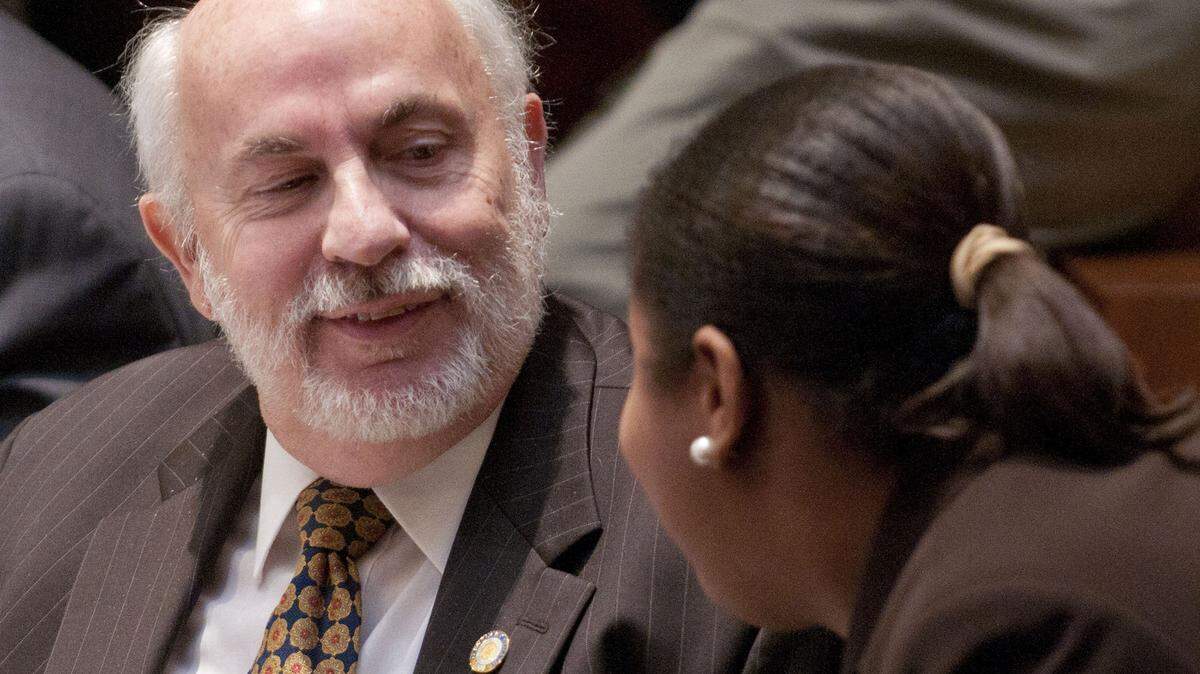
Jack Westwood, a former state senator, is a policy analyst for The Family Foundation.
At issue: March 22 Herald-Leader editorial, “Bipartisan support for fairness”
This story was originally published April 1, 2016 at 9:12 PM with the headline "Why are people so afraid of religious liberty?."