
Why are the Kentucky Wildcats blue & white? It all comes down to one man’s necktie
Kentucky begins its NCAA Tournament play this week, and when it does take the court, players will be decked out in that timeless Wildcat blue and white.
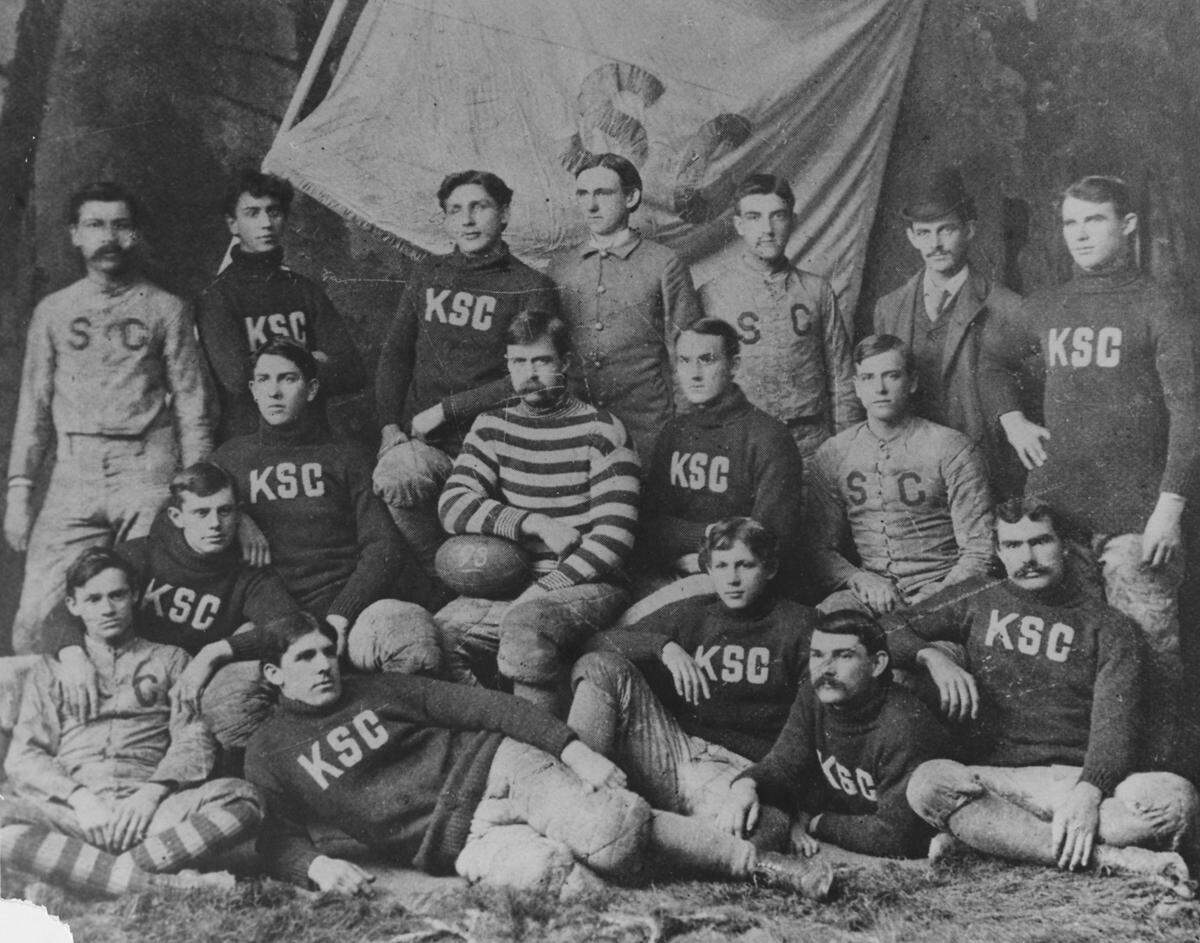
The colors are one of the University of Kentucky’s oldest traditions and call back to a time when students were building the early foundations of the university’s football program. The school’s identity could have diverged from that classic blue and white aesthetic, if say, students decided to stick with a more garish yellow and blue, as its earliest football players wore in the late 1800s.
Prior to an 1891 football game against Centre College, students actually preferred a blue and light yellow. But one year later, they had abandoned the yellow for white. So what changed?
Associate dean of research and discovery Deirdre Scaggs, who has studied this chapter in the university’s history, said the consequential choice ultimately came down to one man’s necktie.
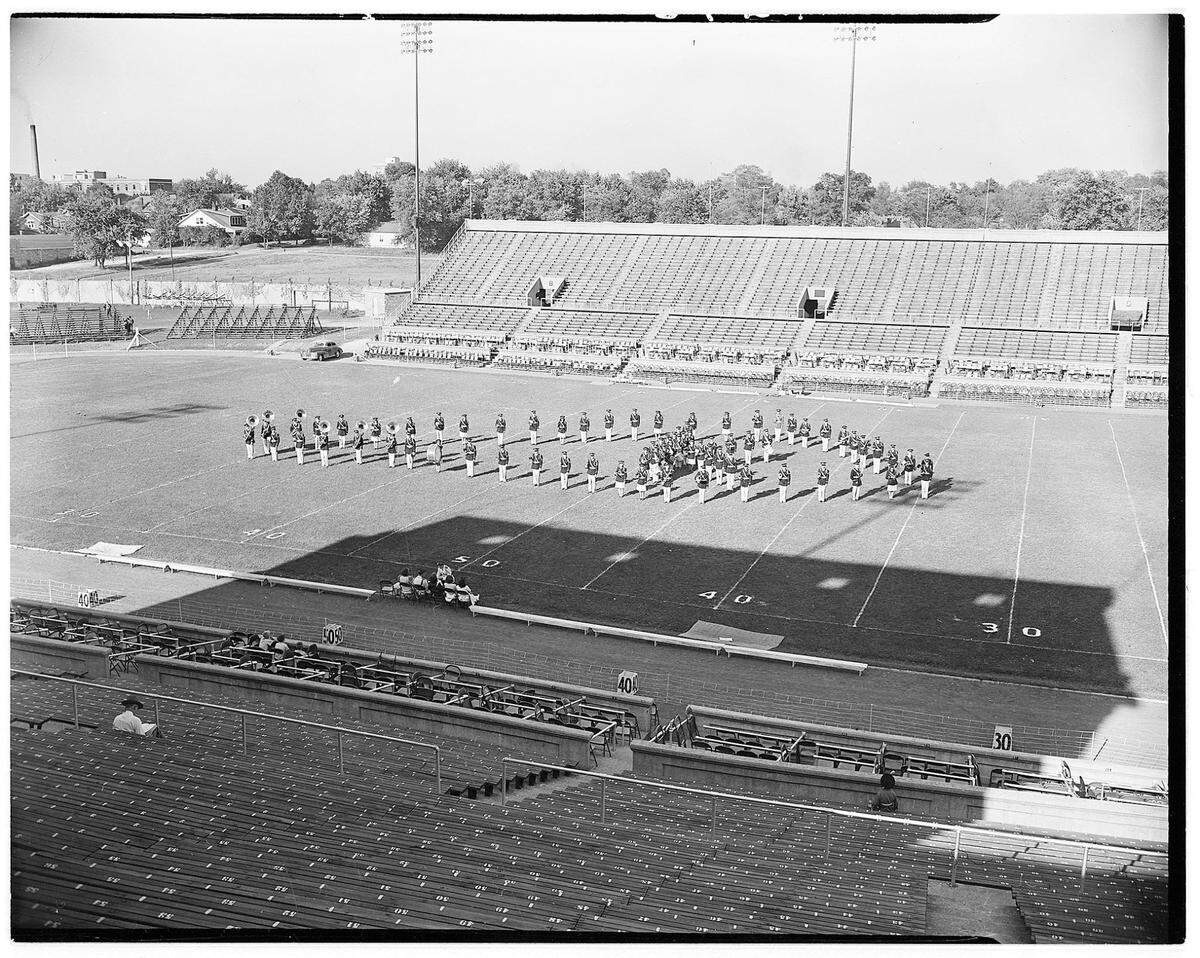
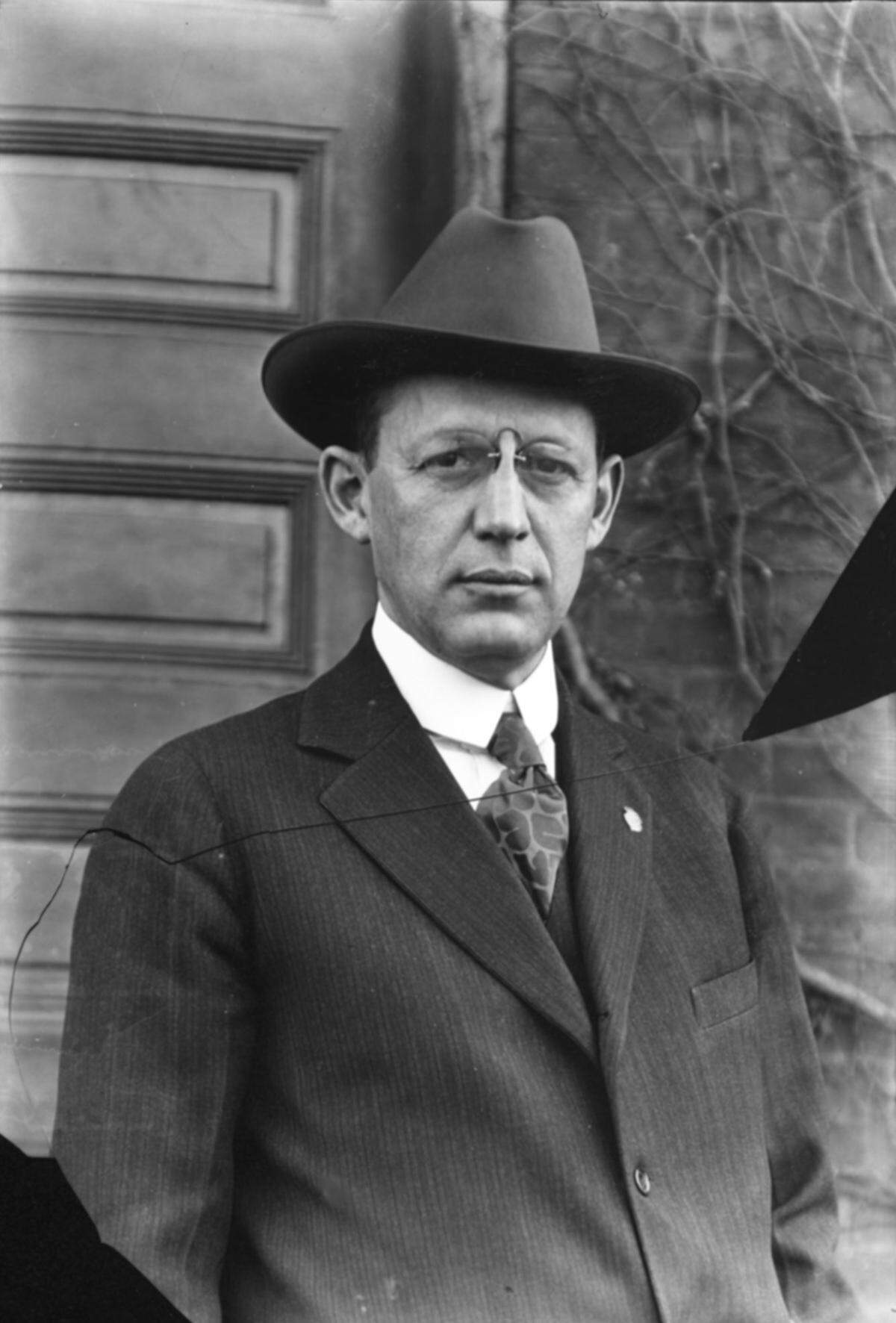
Richard C. Stoll, a judge and prominent UK alumnus, is the namesake of Stoll Field. Today, the site displays an official state historical marker declaring it as the place where the first ever college football game was played in the South.
As legend goes, Stoll also shaped the university with his choice of apparel.
“At least in numerous accounts, the story exists across the university’s history that a group of students and football fans said ‘Well, our official colors should be blue and white, like the colors of Dick Stoll’s necktie,’” Scaggs told the Herald-Leader in an interview Monday.
The colors stuck, and from that point forward, the royal blue and white colors of Stoll’s necktie defined the university. Whether the story is true or not, it certainly has staying power, Scaggs said.
“That has persisted and permeated throughout the university’s historical record and seems to be the story of how the colors blue and white came to be,” Scaggs said.
The decision came at a time when students were striving to truly make something of football at the university. In 1892, after years of disorganized play, students formed a team, started scheduling games with neighboring colleges and got geology professor Arthur Miller to coach them.
At the time, athletic life wasn’t just a diversion, but a way for the institution to begin building its identity and collective spirit. The university can trace baseball as its earliest sport, but football quickly caught on among the public and going to games became a community event where one went to see and be seen, Scaggs said.
“It really sets the tone for that culture,” Scaggs said, adding students began to see themselves as not just a class, but a team.
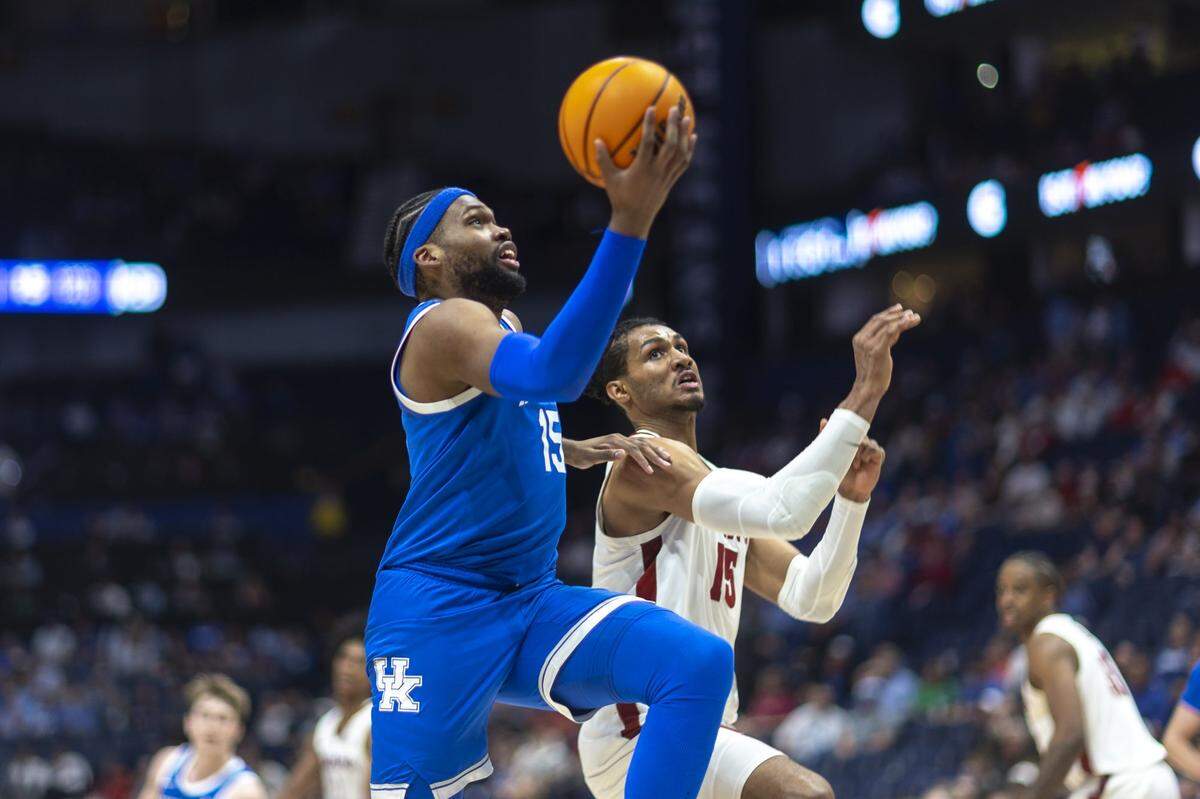
For those planning to cheer on the Wildcats during March Madness, Kentucky is set to play No. 14 seed Troy Friday, March 21 in its first match of this year’s NCAA Tournament. The game starts at 7:10 p.m. EDT and the game will be broadcast by CBS.
Do you have a question about Kentucky history or UK for our service journalism team? We’d like to hear from you. Fill out our Know Your Kentucky form below or email ask@herald-leader.com.