
Numerous UK seniors accept extra year of COVID eligibility. Here are their stories.
They were lacing up their spikes, practicing their swings, lifting heavy in the gym — training hard on the court, the field and the track — when it all came crashing down.
For many college seniors, the spring of 2020 marked a harsh end to years, even decades of dedication to their discipline. In their minds, their final season would be their time to shine, a culmination of countless hours of sacrifice and toil. Proudly donning their University of Kentucky blue and white, they would go out in a blaze of glory.
Then COVID-19 arrived and crushed their dreams to dust.
The abrupt cancellation of the NCAA’s spring sports season was most devastating for the seniors. One moment, they were focusing on the next workout, juggling school and practice and dreaming of their victory lap seasons. Forty-eight hours later, their identities as student-athletes had been ripped away, leaving them lost, confused, angry and sad.
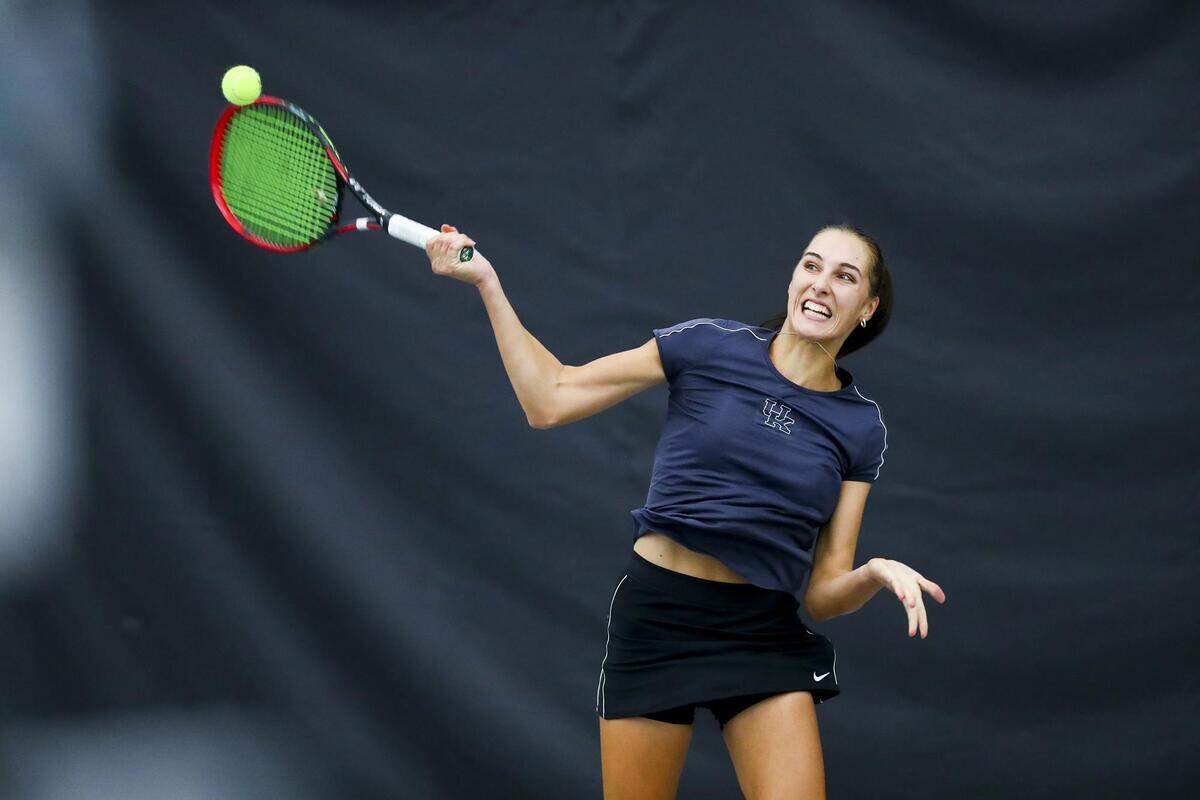
UK tennis player Anastasia Tkachenko said the end was abrupt.
“I’ve been playing for 15 years — it’s going to be hard to give it up all at once,” she said of her thoughts at the time.
Then came a lifeline.
The NCAA voted to allow spring sports seniors the option of returning for an extra year of eligibility. Tkachenko was one of 19 UK seniors to make the decision to return.
She is joined by three women’s and one men’s tennis player, two women’s and two men’s golfers, four women’s and four men’s track and field athletes, one softball player and one baseball player, according to Tony Neely, assistant athletics director for athletics communications and public relations.
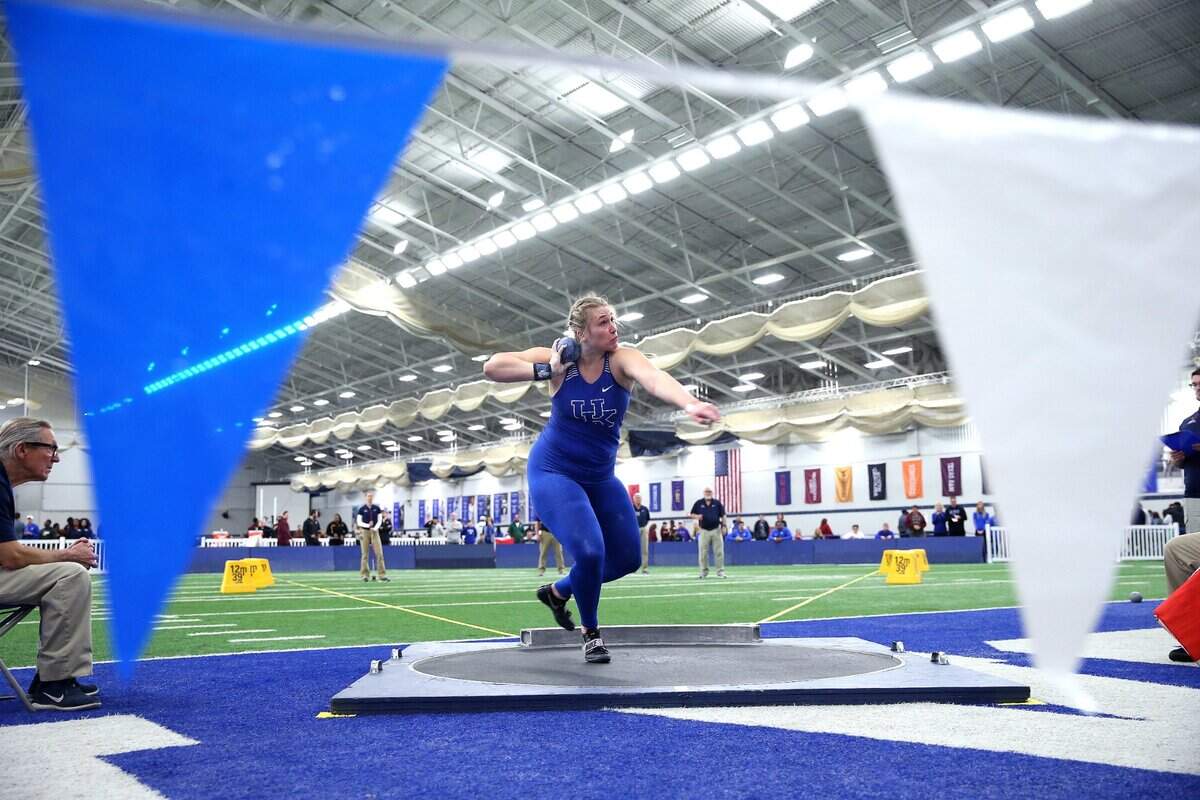
“To me it was a no-brainer,” said Nicole Fautsch, a thrower on the UK track team. “I feel like there were goals I had set that I had yet to achieve.”
‘We were on our way’
On March 12, spring sports seasons in their infancy were discontinued because of coronavirus concerns. Ongoing winter sports were stopped in their tracks. Conference championships and national championships were wiped from the calendar. Athletes, coaches and fans were left in limbo with no sense of closure.
Nobody knows what might have happened this spring if it weren’t for COVID. Who would the breakout stars have been? Would UK’s teams have found success? UK Athletics Director Mitch Barnhart said he thought so during June’s Board of Trustees meeting.
“Frankly, we were on our way to probably a top 10 Director’s Cup finish for all our sports teams,” Barnhart said. “Our student-athletes handled it with incredible grace and poise. Not a word was said; there was disappointment, there were tears, hard work just gone away.”
Typically, athletes have four seasons of eligibility they can use during a five-year period, in case of injuries or other circumstances. The NCAA Division I Council voted on March 27 to allow graduating seniors an extra season, be that a fifth year or a sixth. The council decided to not apply this extension to winter sports athletes, who had completed all or the majority of their seasons by March 12.
For several athletes, the decision was nearly instantaneous.
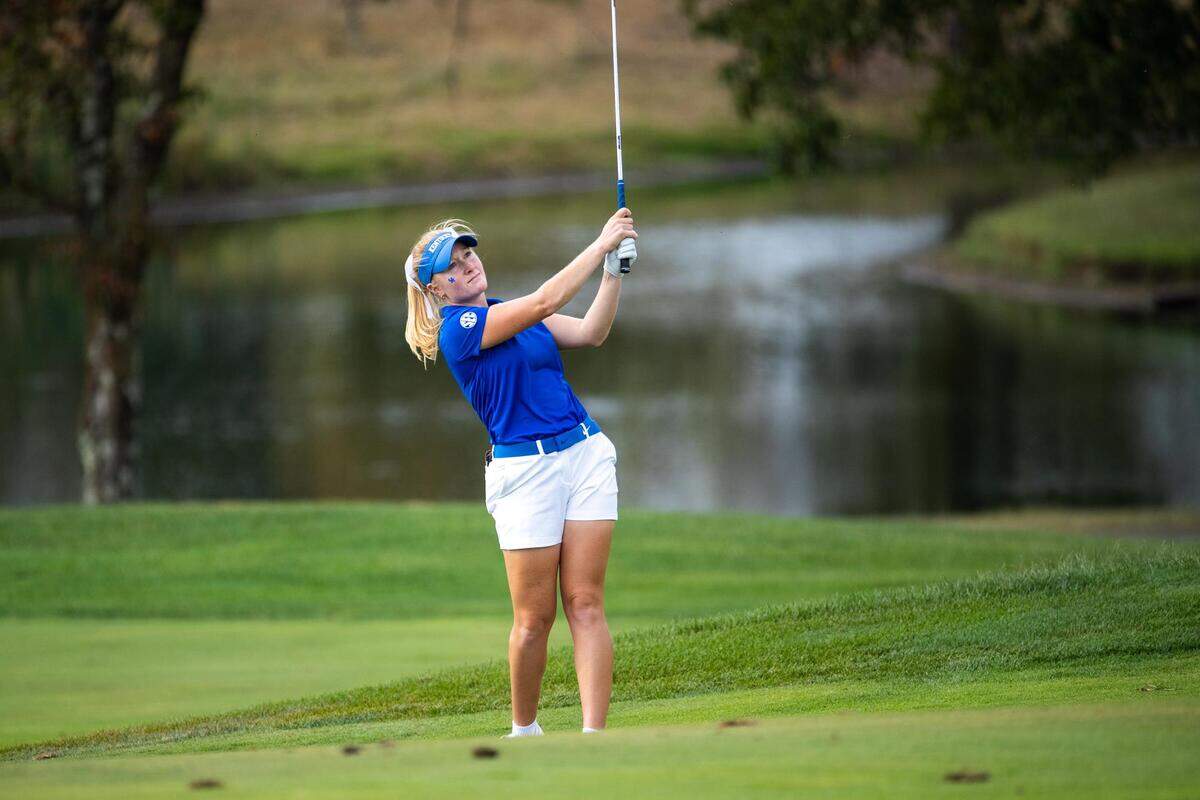
UK golfer Sarah Shipley said that when she saw #coronafifthyear trending on Twitter, she thought it might be a joke. However, she immediately knew she would come back to be with her team again if given the opportunity.
But some, like softball player Autumn Humes, took a little longer to make an official decision. After praying about it for a few weeks, she decided the sacrifice of putting off her career an extra year was worth getting to play her final season with her team.
“I knew in my heart immediately that I didn’t want to just leave it behind,” she said. “I just had unfinished business with the softball team. I feel like if I wouldn’t have stayed, I would have regretted it later in my life.”
‘Blessing in disguise’
Faith Ross, a hurdler and sprinter on the UK track and field team, said the COVID crisis forced her to make decisions she had been putting off.
“I was just going through the motions with school and track,” she said. “I really wasn’t focused on what I wanted to do after the season ending and graduation. So that really made me sit down and figure out where I want to be.”
Ross had been battling an injury during the indoor track season in the winter. She said that the abrupt loss of her outdoor season forced her to take stock of what she had accomplished and what goals were still left unfulfilled.
“I was just kind of lost,” she said.
While she initially considered not returning, Ross ultimately decided to apply to graduate school at UK. She said she isn’t planning to become a pro athlete so accepting the extra season of collegiate eligibility allows her one last hurrah as a hurdler.
Some of UK’s other returning athletes hope the extra season helps better position them for pro careers in their sports.
Shipley said if she had to turn pro now she would have had a hard time gaining the status needed to participate in big tournaments with big money due to the pandemic’s effect on women’s golf.
“Getting a fifth year is better than the plan I had in my head already,” she said. “It will give me more experience before I turn pro and help me meet more people and hopefully get more connections for once I graduate, either for pro golf or if I go into business.”
Fautsch, the UK thrower, said she will use her extra year to develop strength and get more technically sound in hopes of qualifying for the 2021 Olympic Trials, in addition to contributing points to the track team’s journey to a national championship.
“For me, it was kind of a blessing in disguise,” she said. “To be able to come back and score points at SECs and make it to nationals to really repay the coaches for all the hard work they’ve invested in me.”
Not all seniors were positioned to make the same choice. UK’s Alex Martens, one of the SEC’s top softball players, decided to forgo the extra year of eligibility to continue pursuit of a second degree at Furman University.
“I truly believe that when one door closes another opens, and I am excited to see what the future has in store for Big Al,” she said upon announcing her decision in May. “Thank you, all, for the best four years of my young life.”
‘Never been done’
Several UK athletes see big things ahead for their teams in 2021, with current rosters adding incoming freshmen while welcoming back some of their seniors.
Many of UK’s spring sports teams were beginning to hit their stride when COVID struck.
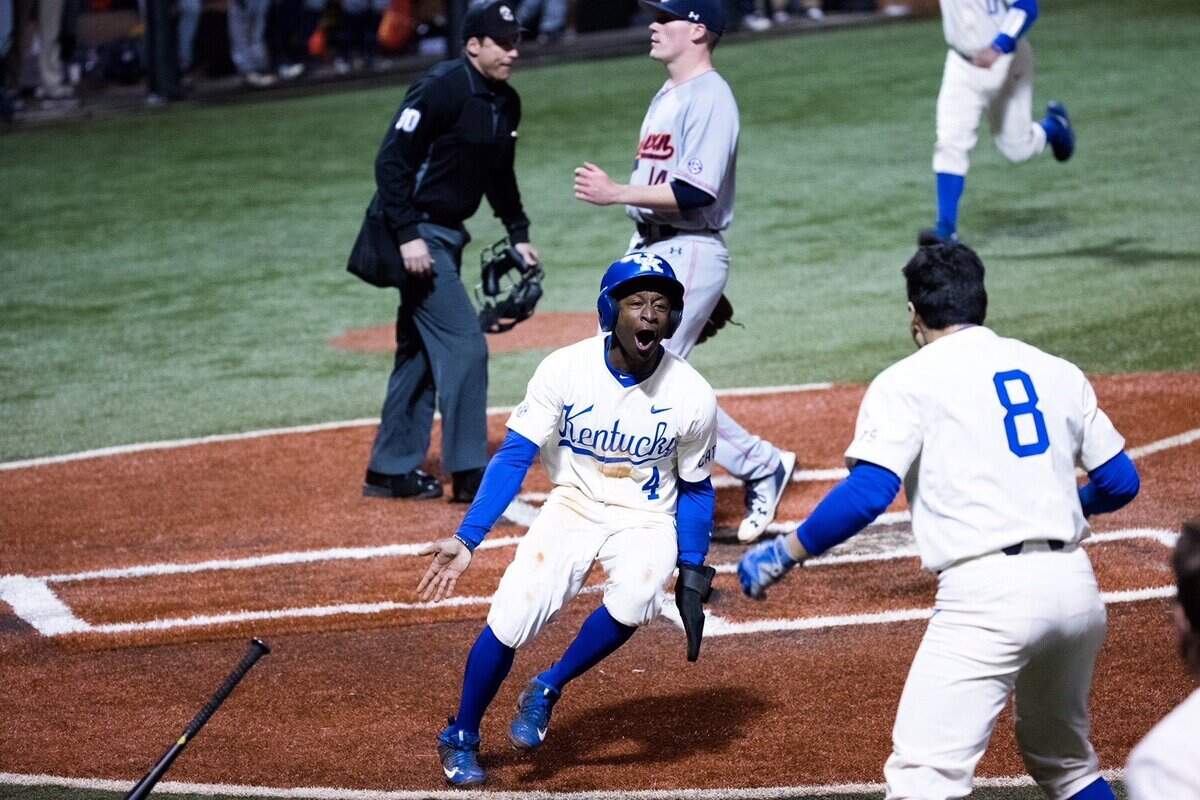
Kentucky’s baseball team, for example, was on a six-game winning streak when the season was called off. Zeke Lewis, a senior infielder, has visions of a College World Series in the program’s future.
“That’s another reason why I wanted to come back,” Lewis said. “Because I believe we can do something that’s never been done.”
Shipley shared a similar sentiment. As of mid-March, the women’s golf team was ranked 25th in the nation. She said the team targeted an SEC title and a trip to the NCAA Championships in 2020. An extra year makes those goals still attainable for Shipley.
“We were on track for them this season, but thankfully we get another chance at it,” she said.
Is there a down side?
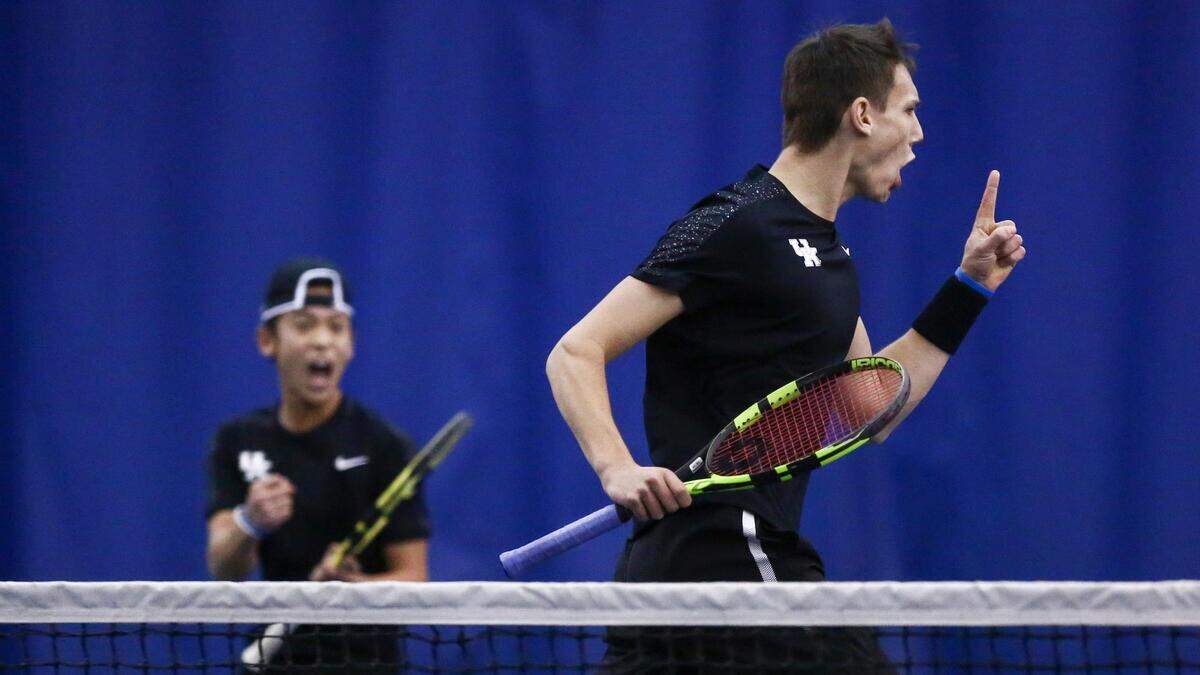
Men’s tennis coach Cedric Kauffmann said he is glad that one of this year’s graduating seniors, Cesar Bourgois, is returning to use his remaining eligibility.
“He’s a big piece to our puzzle,” Kauffmann said.
Kauffmann said that while Bourgois’ veteran status will be a bonus, it may come at a price to underclassmen.
“The only negative is there’s maybe one less spot for those young ones to grab right away,” he said. “I think playing time will be a bit more difficult this year.”
In its statement, the NCAA Division 1 Council said it would increase baseball’s roster limit, the only spring sport with such a regulation. But for sports such as track and field, in which conference championships have strict travel squad limits, much is still unclear.
Coaches and athletes will have to figure out those types of issues in these unprecedented times.
“I would feel really terrible if me continuing my eligibility takes a spot away from a freshman or a sophomore who would have had the chance to travel this year,” Fautsch said. “I definitely don’t want my decision to prevent anybody from getting experiences for themselves.”
Another factor in athletes’ decisions to return or move on was scholarship money. Many seniors had all, or part of their educations paid for through athletic scholarships. The NCAA Division I Council told schools that they were not required to maintain the same levels of scholarship aid from the previous year for seniors returning for an extra year in 2021.
The NCAA offers a Student Assistance Fund to help universities handle some of the costs. Neely said UK will be able to cover its scholarships.
“We plan financially for fifth-year students, so the financial impact of having them return will be minimal,” UK’s assistant athletics director said. “Each sport has scholarship limits. However, the NCAA is granting an exemption for the extra-year spring sports athletes, so their scholarships will not count against the team limit.”
Running out of time
Four months after spring sports athletes were told their seasons were canceled, fall sports athletes are anxiously awaiting decisions to be made about their own.
The Ivy League announced last week that it would not have any athletics competitions until at least the end of the fall semester. The Southeastern Conference, Atlantic Coast Conference (Louisville) and Horizon League (Northern Kentucky) among others have delayed the start of some of their fall sports. The Big Ten and Pac-12 have already eliminated non-conference games — including football — for this fall. Schools in lower NCAA divisions, such as Kentucky State and Centre, have already watched their conferences call off fall sports.
“We are running out of time to correct and get things right, and as a society we owe it to each other to be as healthy as we can be,” SEC Commissioner Greg Sankey said during an ESPN Radio interview last weekend. “And the reality right now is the trends in our region, in our nation, are not in the positive direction for being able to have normal experiences.”
Sankey said that the SEC will not make a final decision about football until “late July.”
In March, the Ivy League was the first to pull the plug on the spring sports season, a decision that was met initially with criticism but ultimately portended the same move by every other conference.
With cards beginning to fall, will history repeat itself? If seasons are canceled or competition is drastically limited, how will eligibility, scholarships and university budgets be affected? Will fall sports seasons be rescheduled to the spring or canceled altogether? College sports will be addressing these questions over the coming weeks.
Kauffmann, the UK tennis coach, said he doesn’t know what to expect in the fall or spring but is ready for anything.
“The health of our student-athletes is the most important, so we’ll take care of that first,” he said. “We’ll take care of winning after.”
This story was originally published July 17, 2020 at 7:28 AM.