Reggie Warford, ‘patriarch’ of integration for Kentucky basketball, dies at 67
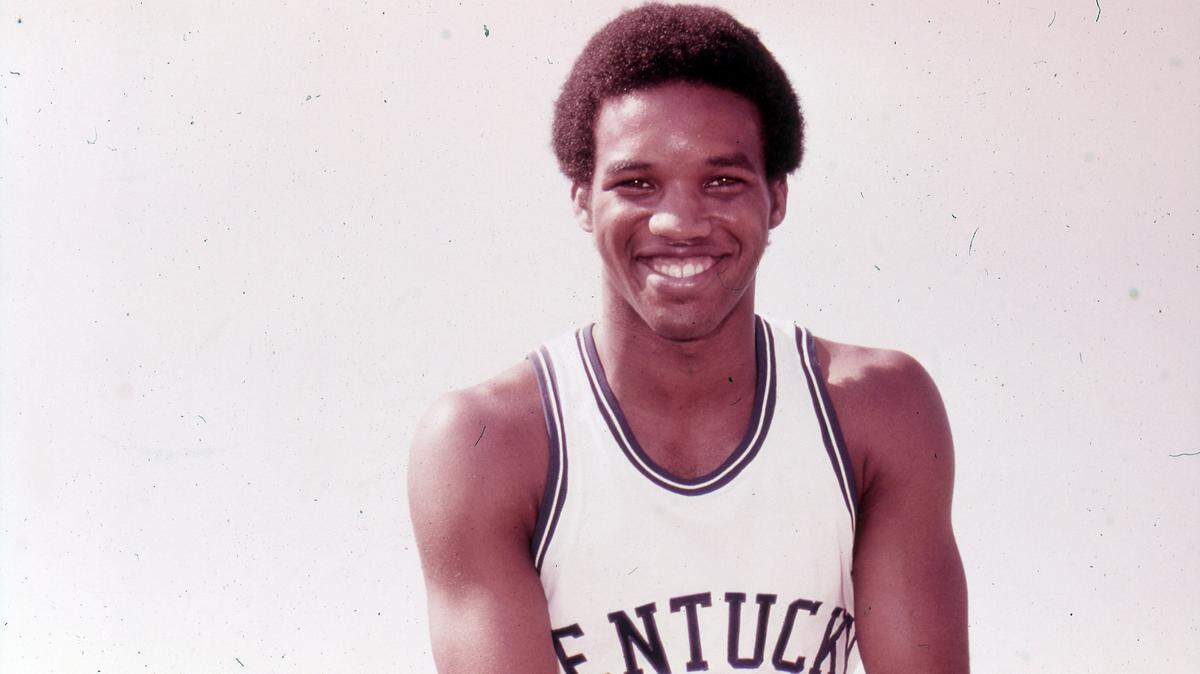
Reggie Warford, a transformational figure in the history of the University of Kentucky’s men’s basketball program, died Thursday morning. He was 67.
Warford died at home surrounded by family after battling numerous health problems in recent years.
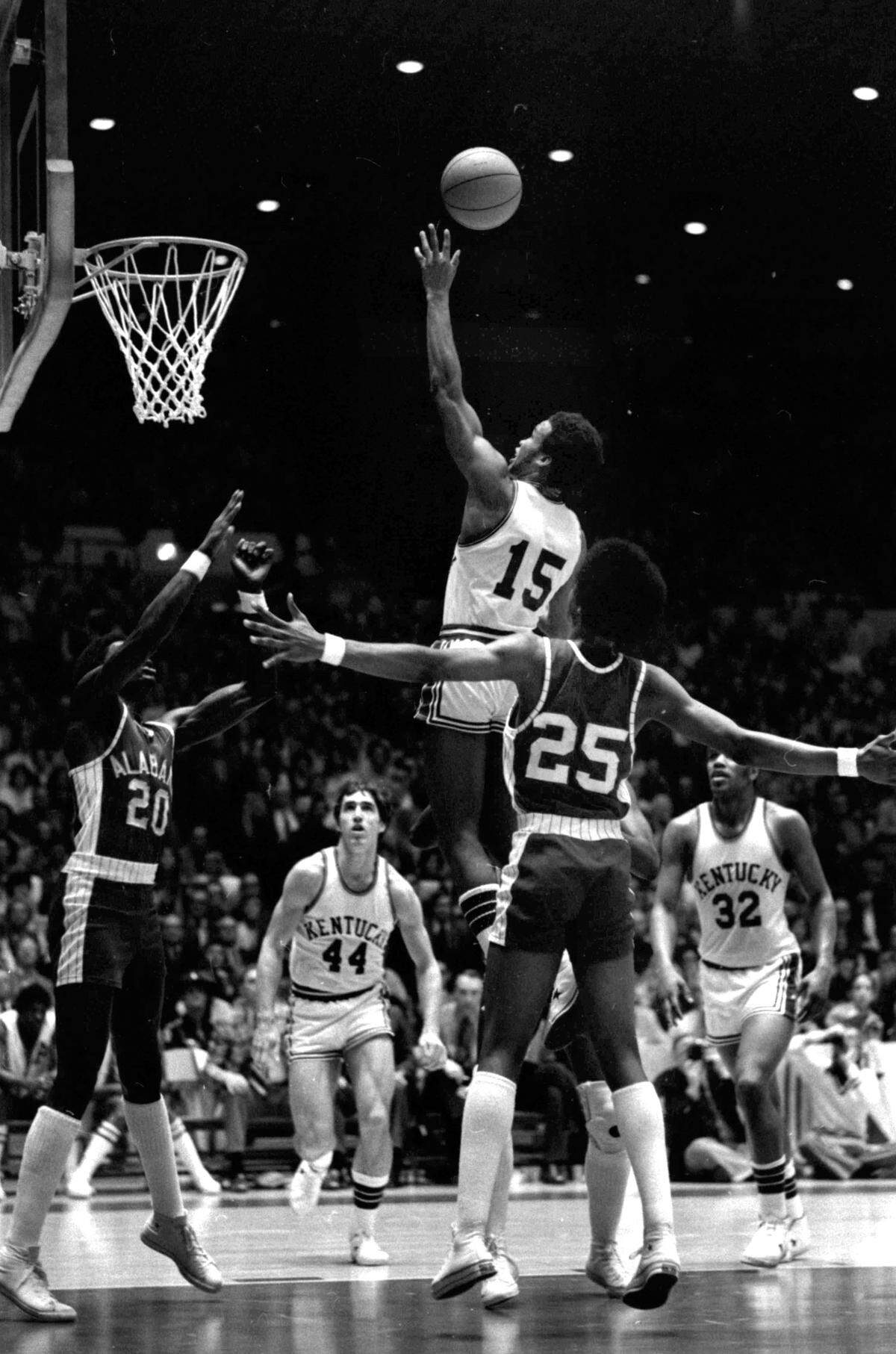
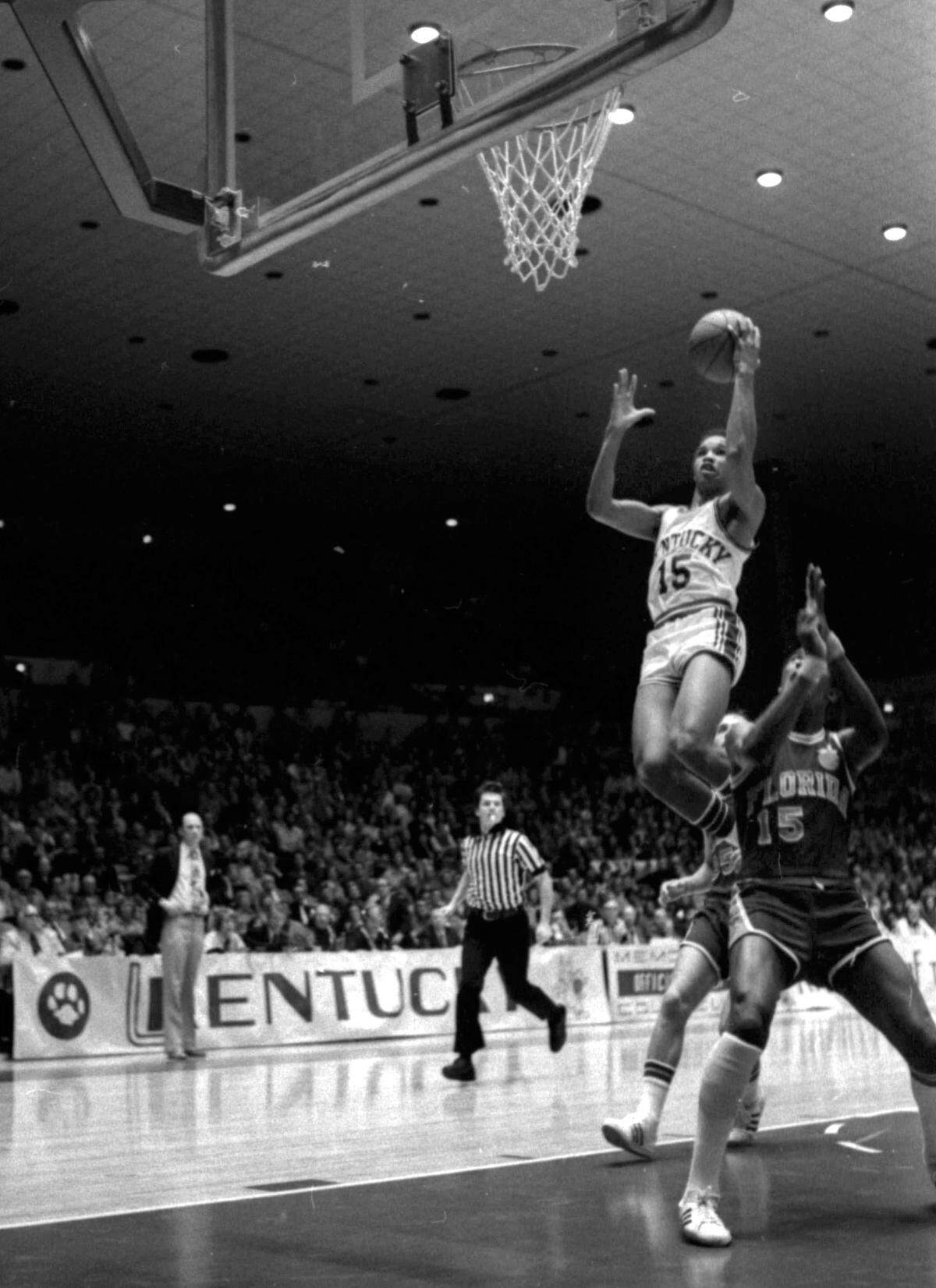
As UK’s first Black player to have a four-season career and graduate, Warford keyed the full integration of the program. Six years before he arrived on campus in 1972 as new coach Joe B. Hall’s first recruit, an all-white UK team lost in the NCAA Tournament finals to a Texas Western team that started five Black players. That game became known as college basketball’s Brown vs. Board of Education moment. Two years after he graduated, UK won the national championship with a team that had six Black players among its top 11 scorers.
Warford came to UK two years after Tom Payne’s one season as the program’s first Black player. Warford was the program’s only Black player in his freshman season of 1972-73. Larry Johnson and Merion Haskins came the next season, then Jack Givens and James Lee in 1974, then Truman Claytor and Dwane Casey in 1975.
“I’m sort of the patriarch,” Warford said last year.
Johnson, who said he signed with UK rather than Louisville because of Warford’s presence, called Warford “my hero,” and recalled their introduction. It came as Johnson moved into his UK dorm as a wide-eyed freshman in 1973.
“He was there to greet me,” Johnson said. “I was just impressed with how kind and generous that was. He didn’t have to do that.”
Givens called Warford “the big brother to all of us who came after him,” and added that Warford was the “right person” to inspire acceptance of a fundamental change to Kentucky basketball.
“It needed to be someone who had a lot of confidence,” Givens said. “Not just in his athletic ability, but confidence in who he was.”
This “trailblazer,” as Givens called the role Warford filled, also needed to balance having a defiant chip on his shoulder while also being humble.
“You had to be able to pick and choose your battles,” Givens said. “And you had to have a thick skin.”
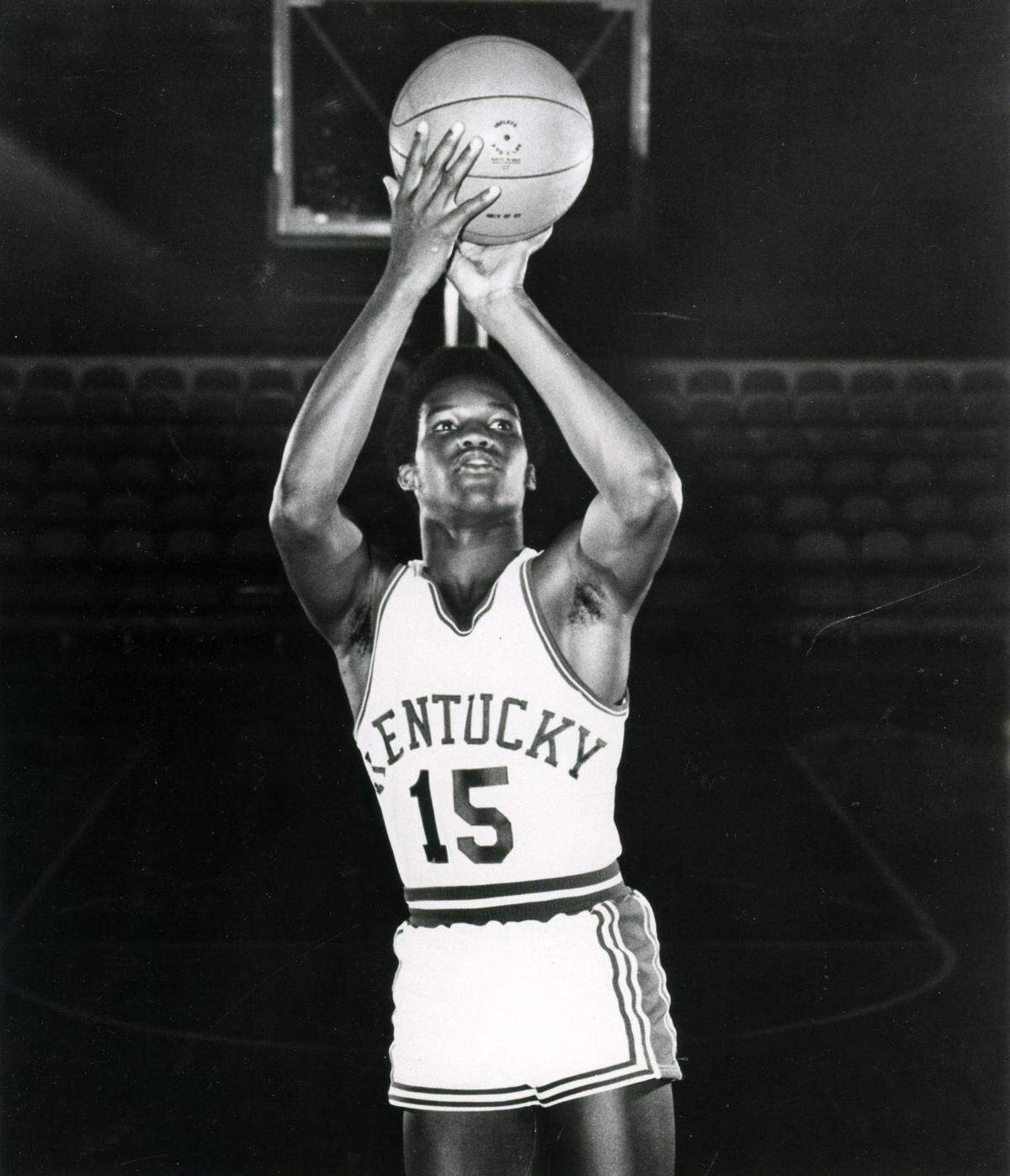
In interviews during 2020, Warford spoke of challenges on and off the court he faced as a UK student and basketball player
“There were some people who didn’t want you,” he said. “They looked down on you like you were stupid. I tried to carry myself and make them see that there are intelligent African-Americans that can speak without using Ebonics, that understand social graces, and you can have a dialog.”
As for his social life, Warford said there were only about 14 Black co-eds on the side of campus where he lived. He said he shared a girlfriend with another male Black student for a while. Later, he dated a white co-ed, which was not viewed favorably.
“It was like a gay marriage today,” he said last year. “It was taboo, and you didn’t want to have people who supported the university talk to you. And I did. I had a number of prominent folks talk to me about that, and told me I’d never play, and they’re get my scholarship, and all that kind of stuff.”
Warford said he turned to poetry to express feelings he kept hidden. He wrote about being “half-filled with hate.” Another stanza said that “even a blind man can see that very few of you care.”
Warford recalled a game his freshman season in which the crowd sang “My Old Kentucky Home.”
“There was a group of students that were singing,” he said. “When they got to the part that says ‘the darkies are gay,’ they screamed it out really loud, and looked at me, and laughed and had fun.”
As he reflected on his four years as a UK student, Warford said, “For everyone who does something that hurts you, there’s always been someone at Kentucky that been able to pick us up.”
Warford came to UK as an basketball innocent. He grew up in Drakesboro, a town of about 800 in Muhlenberg County. His big break as a basketball player came in 1971 when Drakesboro High School advanced to the 3rd Region finals. Howard Garfinkel, a nationally-known evaluator of basketball prospects, happened to attend the game.
“He thought I was one of the quickest and best shooting guards he had seen,” Warford said in a story posted on the Kentucky High School Athletic Association website last year. “I wound up on national scouting reports as one of the top sleepers in the Midwest.”
Warford had committed to Austin Peay, where future UK assistant Leonard Hamilton was on the coaching staff. Praise from Garfinkel moved Kentucky’s Hall of Fame coach, Adolph Rupp, to send a friend from Owensboro, Donald “Quack” Butler, to appraise Warford.
When Butler came to a practice, a teammate mistakenly told Warford that the visitor was Rupp. To which, Warford said he replied, “Adolph Rupp, what does he do?”
Warford laughed as he recalled his innocent question. “I was about as backward as you can get,” he said.
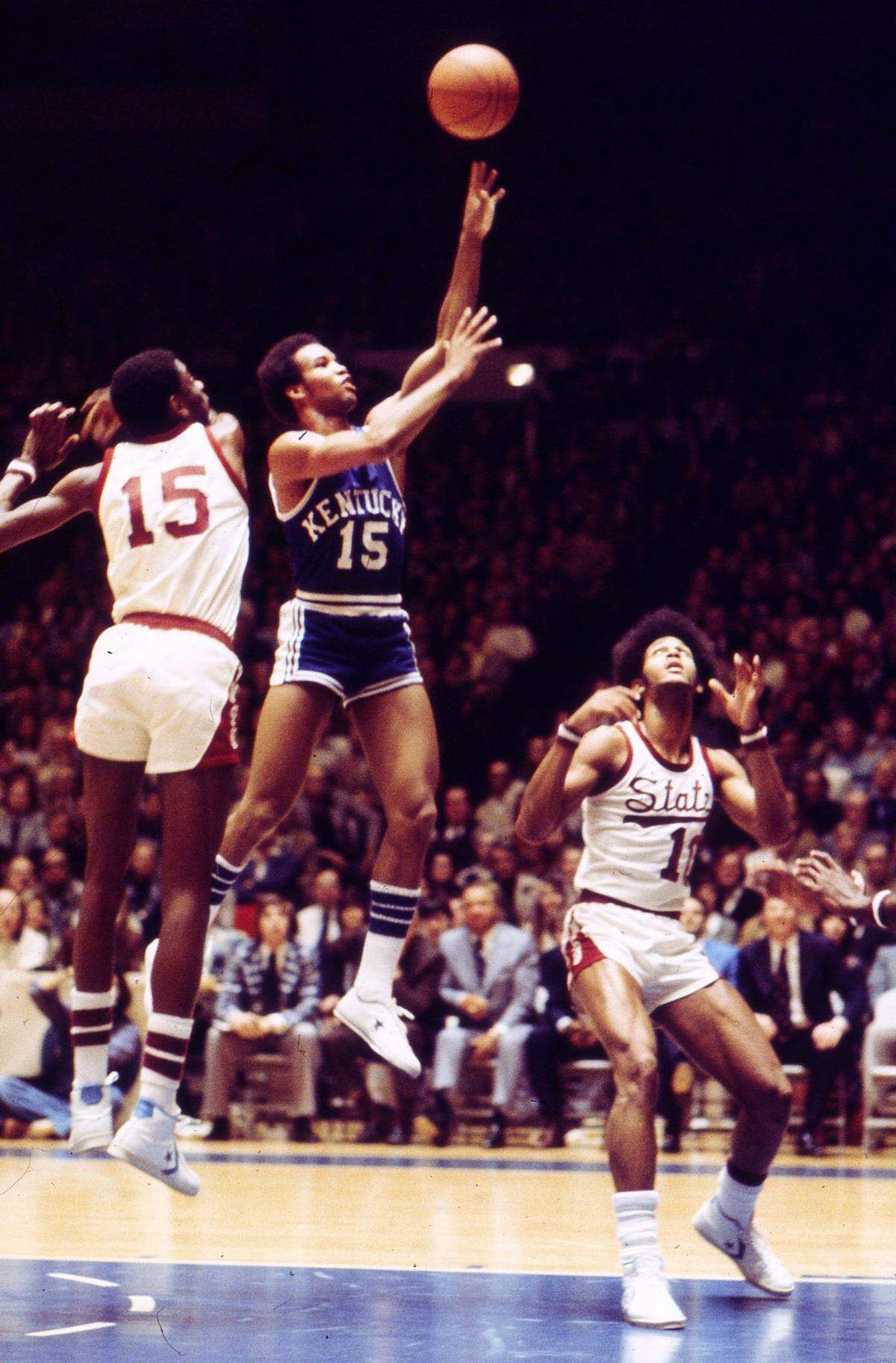
In 2018, Hall called Warford, Haskins and Johnson “three of the best kids I ever had. … I couldn’t have been happier for those (players) as my start.”
Warford scored only 206 points in his four UK seasons. Hall suggested Warford’s lack of glittering statistics was a plus.
“The feeling among the fans (and) a lot of people close to the program was that you had to be a superstar if it was a Black kid,” Hall said before his death earlier this year. “I didn’t see that. I just wanted kids that were of good character and could contribute.”
Reginald G. Warford was born Sept. 15, 1954. His father, Roland H. Warford, was a Pentecostal minister. His mother, Valencia Dean Warford, was a nurse’s aide and worked as a domestic.
Warford grew up in the church, which he cited as a reason he learned to play piano. As a UK student, he would play the grand piano that was on the 23rd floor of his dorm. Bill Withers’ “Lean on Me,” the Miracles’ “The Tracks of My Tears” and Creedence Clearwater Revival’s “Proud Mary” were among his favorite songs to play and contributed to his popularity among teammates.
“Everybody loved Reggie,” said Kevin Grevey, who came to UK a year before Warford. “Reggie was just one of those kind of guys that people gravitated to. He was so friendly, kind, positive, happy all the time.”
With time, Warford grew to appreciate his role as a Kentucky basketball pioneer. This hit home in his junior season when for the first time in program history all five UK players on a court were Black: Givens, Lee, Haskins, Johnson and Warford.
“I was the last one to get in the game,” Warford said in the story posted on the KHSAA website. “I remember standing there at the scorer’s table, realizing it was a big deal, a milestone.”
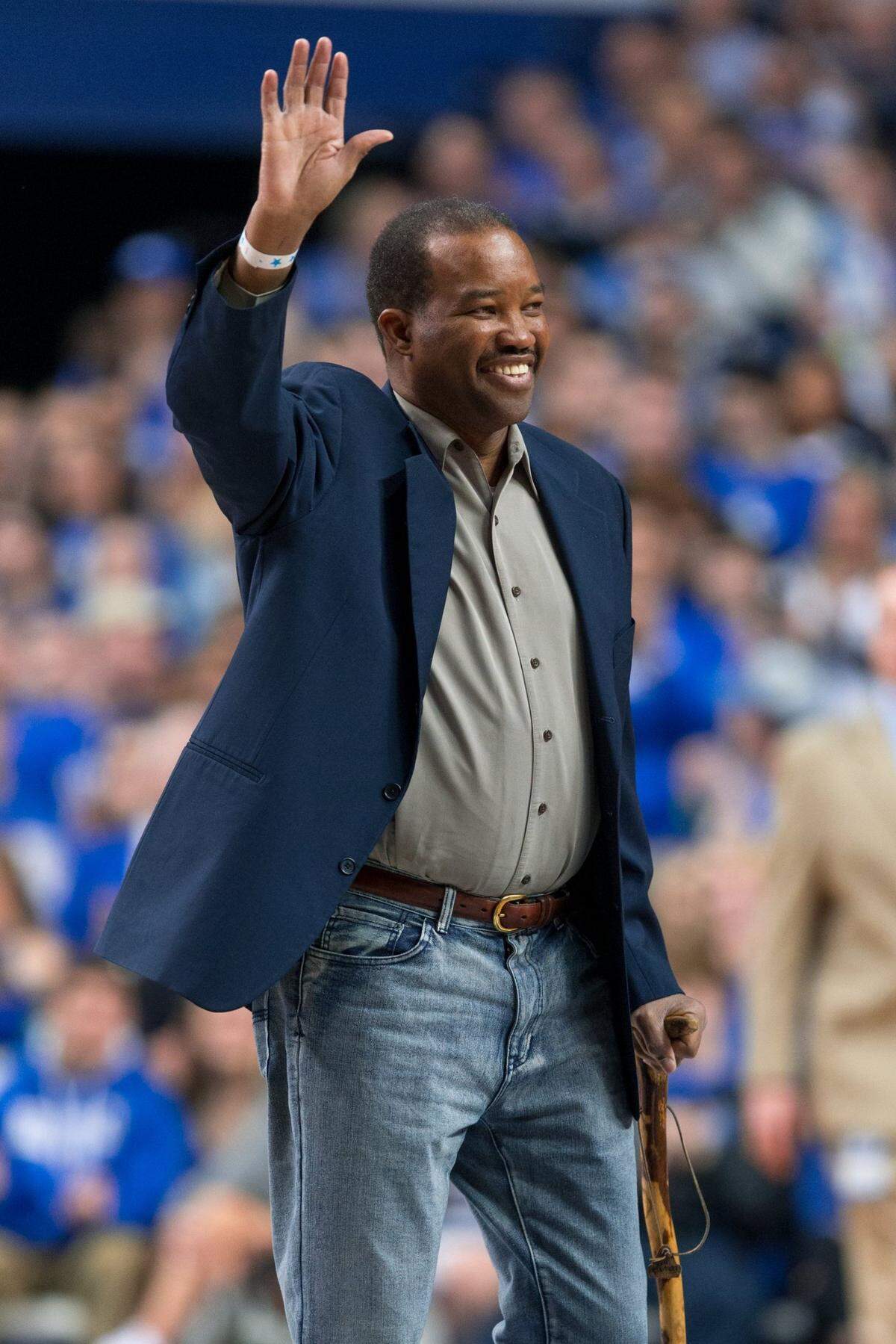
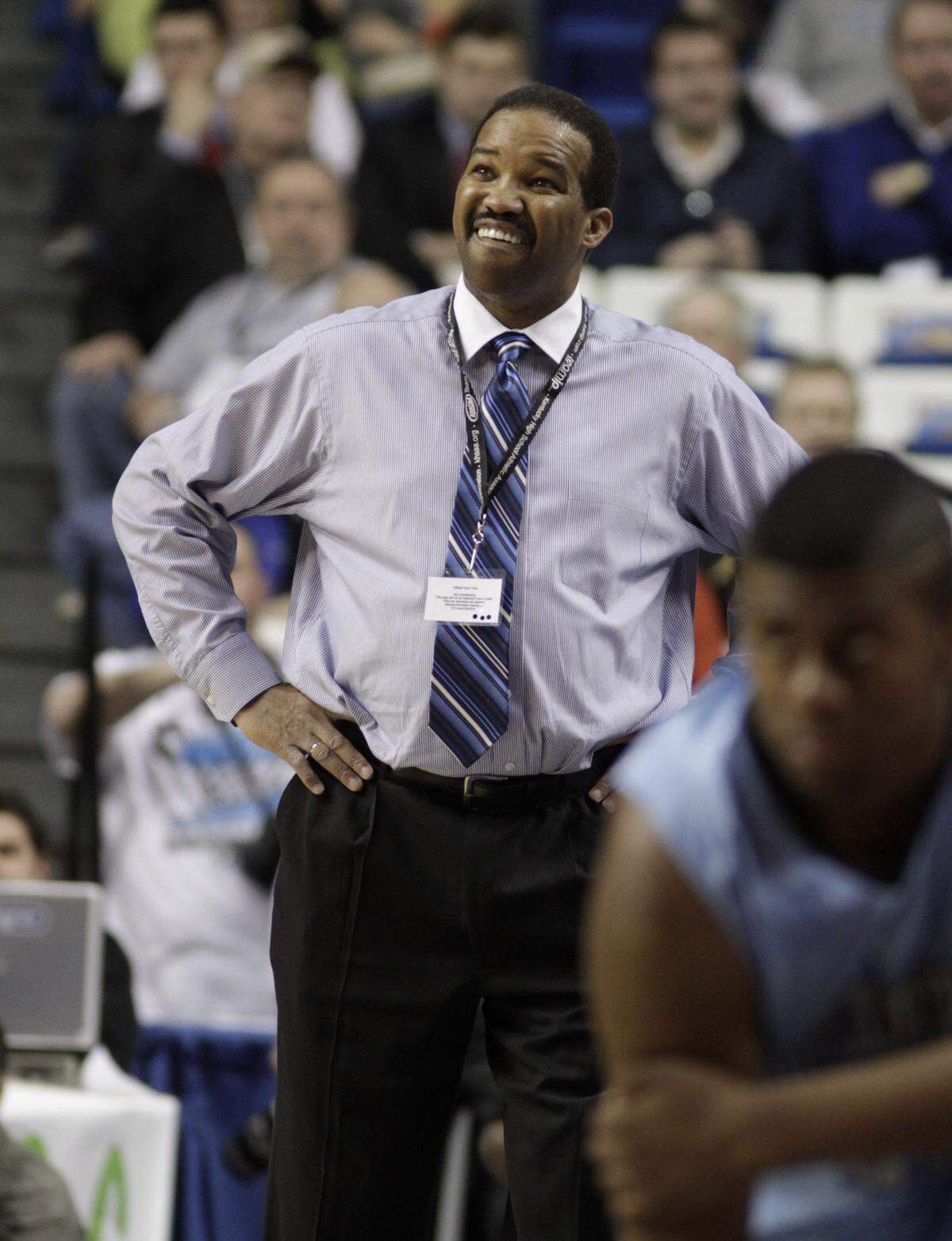
After graduating with an arts and sciences degree, Warford earned a master’s degree in education at Murray State. He got into coaching, which included serving as an assistant at Pittsburgh, Iowa State and Long Beach State. He was also head coach of the Harlem Globetrotters in 2003.
It was while an assistant coach at Pittsburgh that Warford won the United States Basketball Writers Association’s Most Courageous Award for 1984. While on a recruiting trip to Lexington, he and Pitt coach Roy Chipman rescued an elderly couple from a house fire.
The next day Warford saw his face on ESPN’s “SportsCenter.” He was alarmed.
“I said, ‘Oh, my goodness, I’ve been fired,’” he said earlier this year. “Because that was the only time they showed you on ‘SportsCenter.’ When you died or when you got fired.”
ESPN was airing a report of the rescue from the fire.
In 1986, Warford sued the Herald-Leader. He claimed the newspaper defamed him in an article about improper recruiting offers in college basketball. Steve Miller, a forward from Henry Clay High School, was quoted in an article originally published in 1985 saying Warford told him that signing with Pitt would mean a pay raise for the coach. And that Miller “would benefit from that raise also.” The lawsuit was settled out of court in 1991.
Warford had to deal with major health issues in the last 20 years. He underwent a heart transplant in 2014 and a kidney transplant in 2017. More recently, Warford developed a pulmonary condition that restricted his breathing. The muscles around his diaphragm atrophied. He needed to use a wheelchair and was on oxygen at night.
On the night before his kidney transplant, Warford called Hall. They exchanged I-love-you’s.
“I’d love to hear him yell, ‘Get a wall!’ one more time,” Warford said last year, “and then be able to do it.”
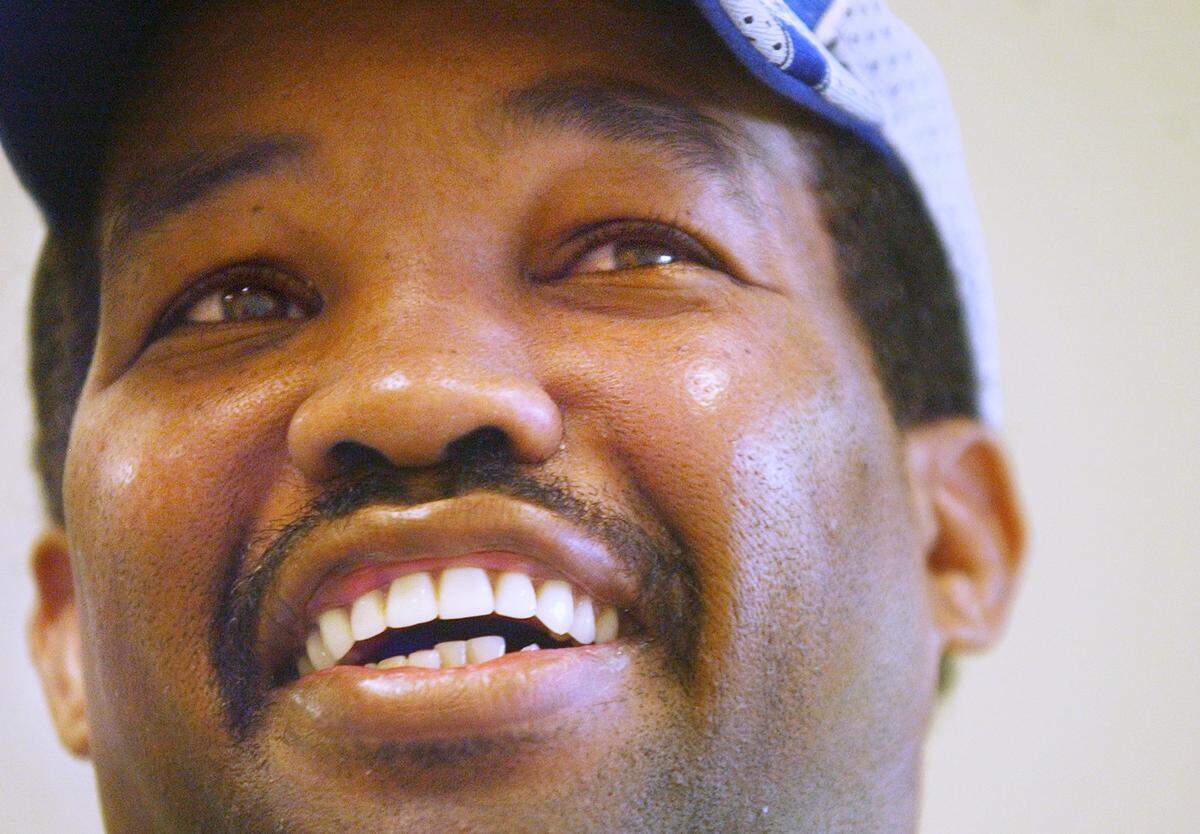
Givens, the hero of UK’s championship game victory over Duke in 1978, recalled how Warford mentored him. Even if Givens made shots, Warford encouraged him to keep trying to improve. Warford also interpreted scoldings Hall gave Givens as signs that the coach cared.
“It was a challenge,” Givens said of the hardships Warford dealt with as a UK pioneer. “It would have been very easy for Reggie to go in and say, ‘Hey, man, this is a whole lot more than what I bargained for. I’m out of here.’
“A lot of us wouldn’t have had the thick skin. So he certainly was the right person. The significance of what he did probably has gone overlooked.”
A form of immortality came earlier this year when Warford was inducted into the KHSAA Hall of Fame.
“The right thing to happen to him at the right time,” said Jerry Hale, a teammate in three of Warford’s four seasons. “It meant the world to him.”
Warford is survived by his wife, Marisa, and sons Grant and Tyler.
This story was originally published May 26, 2022 at 7:58 AM.