How Kentucky basketball is benefiting from the massive changes to NIL rules
AI-generated summary reviewed by our newsroom.
- Kentucky's 2025-26 roster carries about $22 million in total player payroll.
- House settlement created $20.5M revenue-share caps and NIL Go vetting.
- JMI partnership and donors position Kentucky to attract legit NIL deals.
The world of college basketball has changed.
With relatively recent reforms to name, image and likeness rules and the transfer portal, the dynamics of the sport have shifted. Players have gained more freedom of movement off the court while enjoying an opportunity to benefit financially from their play on it.
These changes haven’t been sudden. They’ve gradually transformed over the past several years. But this past offseason was by all accounts chaotic, both with the comings and goings in the portal and the vast amounts of money players were able to command to either stay with their current teams or move elsewhere.
This year, college basketball programs and the players they were pursuing were on the clock, each side rushing to get things done before the House v. NCAA settlement was approved, setting new guidelines for how student-athletes can be compensated while — for the first time — allowing universities to directly pay their players.
The Kentucky Wildcats, unsurprisingly given their stature within the sport, have emerged as one of the biggest national players in this new era of college basketball, with Mark Pope’s program heading into the 2025-26 season positioned as a legitimate national championship contender and boasting perhaps the highest team payroll in the country.
With these changes have come questions. A lot of them. Things have moved so quickly, accompanied by so many behind-the-scenes nuances, that it has been difficult for fans to keep up.
For the past several months, readers have been sending in questions related to these changes and how college basketball now functions as a result. During that time, the Herald-Leader has bounced many of those questions off well-placed personnel — both inside and outside of the Kentucky basketball orbit — to get answers on the inner workings of the sport and how UK specifically is dealing with all of it.
Here are answers to some of the most frequently asked questions around the way Kentucky basketball operates going into the 2025-26 season.
How much do UK basketball players get paid?
The top question on most fans’ minds seems to be related to how much money Kentucky basketball players are actually making these days. We’ll probably never know the specific answer to that one.
For now, at least, that information is not public record, nor is it available through open records requests. The players themselves aren’t offering up details on what exactly they’re pulling in to play for the Cats this season.
But we’ve still found out plenty about the team’s overall payroll …
What will the collective earnings be for this Kentucky team? The payroll number for the UK basketball team this season is around $22 million, the Herald-Leader has been told. That was the number as of the finalization of the House settlement, which set guidelines for what constitutes legal payments to players moving forward, so it’s likely the collective total for the Cats will rise with any legitimate name, image and likeness deals that come their way during the 2025-26 season.
How does UK’s team payroll rank nationally? Those specific numbers are also not public record, but the consensus in college basketball circles is that — while several other programs have gone beyond the $10 million threshold for their rosters this season — no team in the country will have a higher number than the Wildcats, and Mark Pope has not shied away from that distinction.
“We have the best donors in college basketball. We have the best fans in college basketball,” Pope said in May. “This is the University of Kentucky — I never forget that — so we should be the best at everything. And put NIL and put the transfer portal on the list. Our job is to go be the best at everything.”
How does this season’s payment pool compare to previous UK teams? The rate of growth here has been astounding. The payroll number for John Calipari’s final UK team — a star-studded group featuring two NBA lottery picks and a few other top-10 recruits in the early stages of the NIL era — was less than $4 million. The collective earnings for the first Pope team — built almost entirely through the transfer portal last spring — was more than double that number. Around this time last year, UK officials were expecting an increase in payroll to a little more than $10 million for the 2025-26 season. “But it went through the roof,” one source said. This year’s team will make about double the number of the 2024-25 squad, possibly more.
Why did payments to college players increase so drastically this year? That’s what the market dictated, particularly with big names in the transfer portal. Almost as soon as the portal opened, some marquee players started commanding much higher promised payouts than anticipated. After a few days of schools losing out on players based on finances, the floodgates opened. “It just became a massive bidding war among everybody,” said a source who works within the NIL operation of a high-major program.
The result: Programs with the means to cobble together bigger deals via passionate, deep-pocketed donors and/or tap more into internal sources of revenue were able to assemble better rosters, while those without such avenues to more money lost out in high-profile recruitments and were forced to become much more selective about whom they targeted in the portal.
Will team payrolls continue to rise at such a drastic rate? The short answer is no. Or that’s what college administrators are hoping, at least.
Among the biggest developments to come from the finalization of the House settlement was the rule that third-party payments to players must be ruled “legitimate” through a process overseen by the College Sports Commission, an entity separate from the NCAA that has been set up to manage the vetting of all future deals for student-athletes.
That stipulation was not in effect during the roster-building stages for the 2025-26 season, so schools were basically able to get away with providing high-dollar deals for players that amounted to “pay for play” agreements. Many of those deals would not have made it through the College Sports Commission’s NIL Go process, which will analyze each future transaction to make sure it meets an appropriate standard.
That’s usually referred to as a “fair market value” standard, though the CSC quibbles with that term, using the phrase “range of compensation” instead. The idea — however it’s officially phrased — is that the CSC will ensure that future payments to players aren’t strictly “pay for play” deals but rather legitimate endorsement ventures, which was the intended result of NIL reforms.
How does the College Sports Commission process determine “fair market” value? The short answer there is that nobody knows for sure. There are no specific, written guidelines for what constitutes a legal deal for players. As one source explained, if the CSC actually told everyone exactly how “fair deals” were defined, programs would be looking for ways to “rig the system” to get an advantage in roster-building efforts.
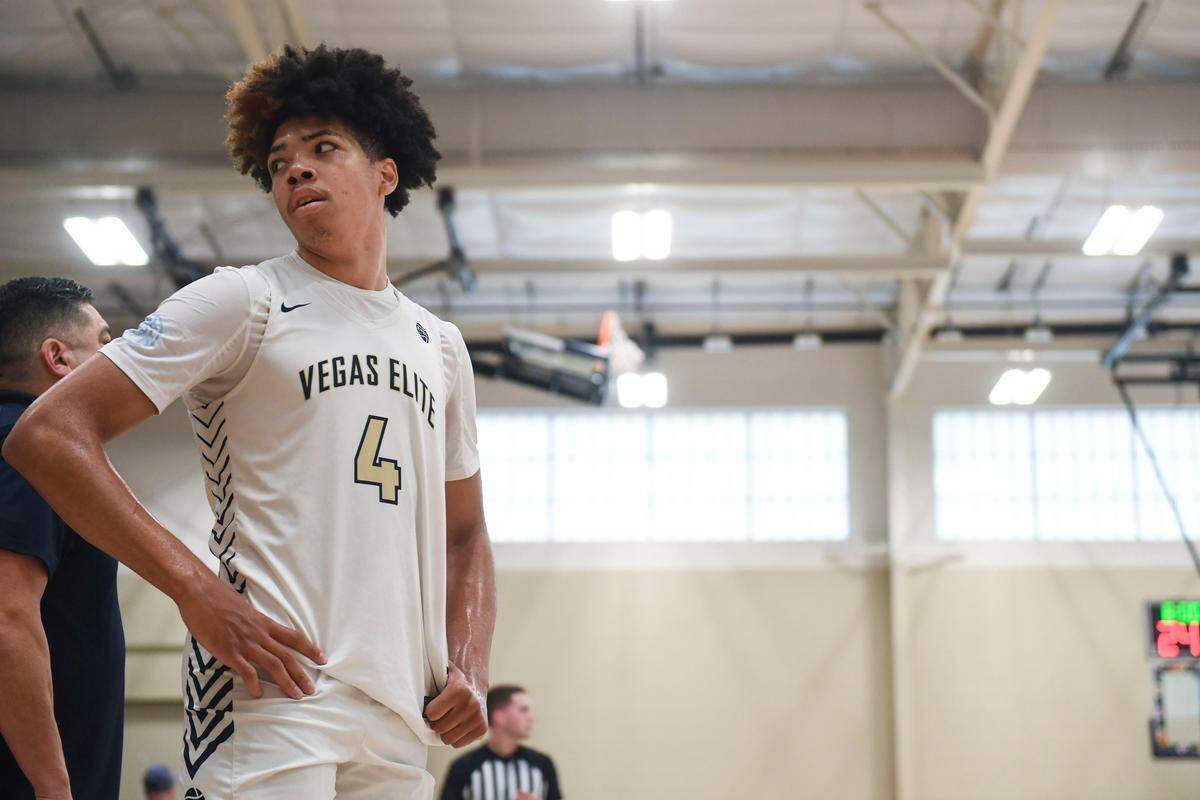
So, for instance, colleges don’t know for sure what a legal package of deals would look like for, say, No. 1 overall recruit Tyran Stokes — a major UK target — or whoever the top players end up being in the 2026 portal. But as more deals make it through the CSC process — and others get denied — schools will get a better sense of what they’re allowed to do.
How does that NIL Go process work? The NIL Go online platform — created by the College Sports Commission and Deloitte, a major professional services and accounting firm — has been set up to process all NIL deals valued at $600 or more. Each deal is submitted into the system and vetted by a team to ensure the agreement is for “a valid business purpose related to the promotion or endorsement of goods or services provided to the general public for profit” and is consistent with that athlete’s NIL value. According to the CSC, that value is based on several factors, including “the deal’s performance obligations, the student-athlete’s athletic performance and social media reach, the local market and the market reach of his or her institution and program.”
How large is the College Sports Commission? The CSC itself is led by CEO Bryan Seeley, who was previously Executive Vice President for Legal & Operations at Major League Baseball, and includes only a handful of employees. But the vetting process for deals in the NIL Go system is overseen by Deloitte. Last month, the CSC said 6,090 deals had been approved through the NIL Go system — out of 8,359 deals that were submitted — since it was launched in the middle of June, with those approved deals worth a little more than $35.4 million collectively across all sports.
Who is actually paying UK’s basketball players?
Where is the money that goes to college basketball players actually coming from? There are a variety of sources, and those financial pools are also undergoing big changes.
How does revenue sharing work in college sports? The biggest change with the House settlement is the end of the long-sacred NCAA rule that banned universities from paying players. “Revenue sharing” has been the phrase of 2025 in college sports, and the recent changes to NCAA rules now say that schools can directly pay their student-athletes up to $20.5 million — a combined total across all sports — for the 2025-26 academic year. That number will also rise incrementally — at a rate of 4% annually in the short term — each year.
So every school has $20.5 million to work with for compensating all of their student-athletes? No. That’s just the cap of the revenue-sharing portion for each athletic department during the 2025-26 academic year. College athletes can also receive compensation through third-party NIL deals — like traditional endorsements — and make additional money beyond their revenue-sharing payments in that way.
Where does that revenue-sharing money come from? The $20.5 million number comes directly from the school’s athletics department budget. That basically means athletic directors across the country will need to find an extra $20.5 million per year — with that number increasing in future years — to meet their rev-share cap and remain competitive. There is no revenue-sharing fairy out there sprinkling extra money on every athletics department in America, hence why athletic directors are so on edge regarding the new college sports landscape and searching for every possible way to raise more funds for their departments.
That $20.5 million has to come from somewhere, and if ADs can’t find additional outside revenue streams, it could lead to department-wide cuts in the future.
How does revenue sharing break down across all the sports? A popular, on-the-record formula for divvying up in-house funds — especially within the SEC — has been: 75% to football, 15% to men’s basketball, 5% to women’s basketball and 5% to other sports. But that breakdown isn’t universal or mandated.
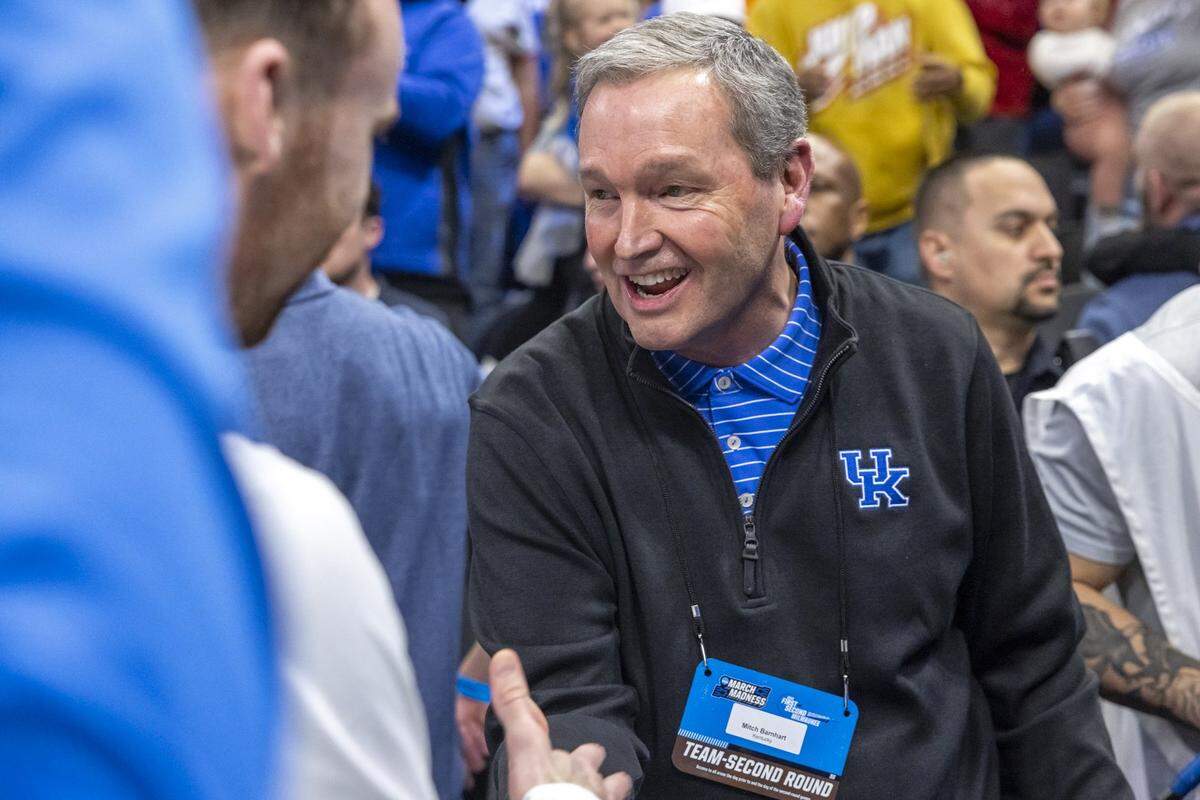
UK athletics director Mitch Barnhart, for instance, has not gone public with his school’s breakdown of funds, and it’s clear that those numbers won’t look the same from year to year. Schools can also allocate up to $2.5 million from their overall pool for added scholarships across all sports, and UK has confirmed that it will do that.
How much does men’s basketball get from revenue sharing? A CBS report in July indicated that the UK men’s basketball program had received 45% of the school’s overall revenue-sharing pot for the 2025-26 season, but sources from the men’s basketball and football programs — as well as the athletics department at large — quickly shot down that assertion.
The true number is closer to 25-30%, according to conversations within the department, which is likely still tops in the SEC and in the running for the highest share among men’s basketball programs in power conferences nationally.
Who else is paying college players? If you do the math, you’ll find that not even half of the UK men’s basketball payroll for this coming season will come from the program’s estimated revenue-sharing allocation. So where is all that other money coming from?
Some of it will come in the form of legitimate endorsement deals that would have passed through the College Sports Commission process. But much of it will be coming from other sources. Some possible examples of that — and this was universal across college sports before the House settlement was finalized — include one-time, high-dollar donations from deep-pocketed donors, business deals that would not have passed the CSC’s “fair market” test and events set up through collectives that have been formed in recent years to facilitate payments to student-athletes.
NCAA rule changes over the summer have either limited or, in some cases, outright eliminated those kinds of revenue streams for current college players. That means some of these third-party sources of income that were responsible for a large share of the 2025-26 roster’s payroll won’t be available in the same ways for future Kentucky players, due to guidelines resulting from the House settlement.
How are agents involved in college basketball?
With all of this money now flowing through college basketball, how do these deals between players, schools and other entities actually go down? That differs from player to player and university to university, but there are some common factors.
What is the role of agents in college basketball? Until recently, the involvement of agents in the sport was a big no-no, and even the perception of agents being around a college basketball team was a red flag. That has slowly transformed in recent years, with the NCAA allowing players to use agents in an advisory role when going through the NBA draft process and more recently giving players freedom to hire agents for their NIL deals.
Now, it’s common for players — especially at Kentucky’s level — to employ an agent for both the recruiting process, particularly with the transfer portal, and for off-the-court NIL negotiations.
Does every player have a professional agent? No. Some players have put trusted friends or family members in charge of their negotiations. Others have professional agents. And some have separate agents or advisers for different aspects of their college careers, with one handling the recruiting process and another in charge of NIL and marketing opportunities.
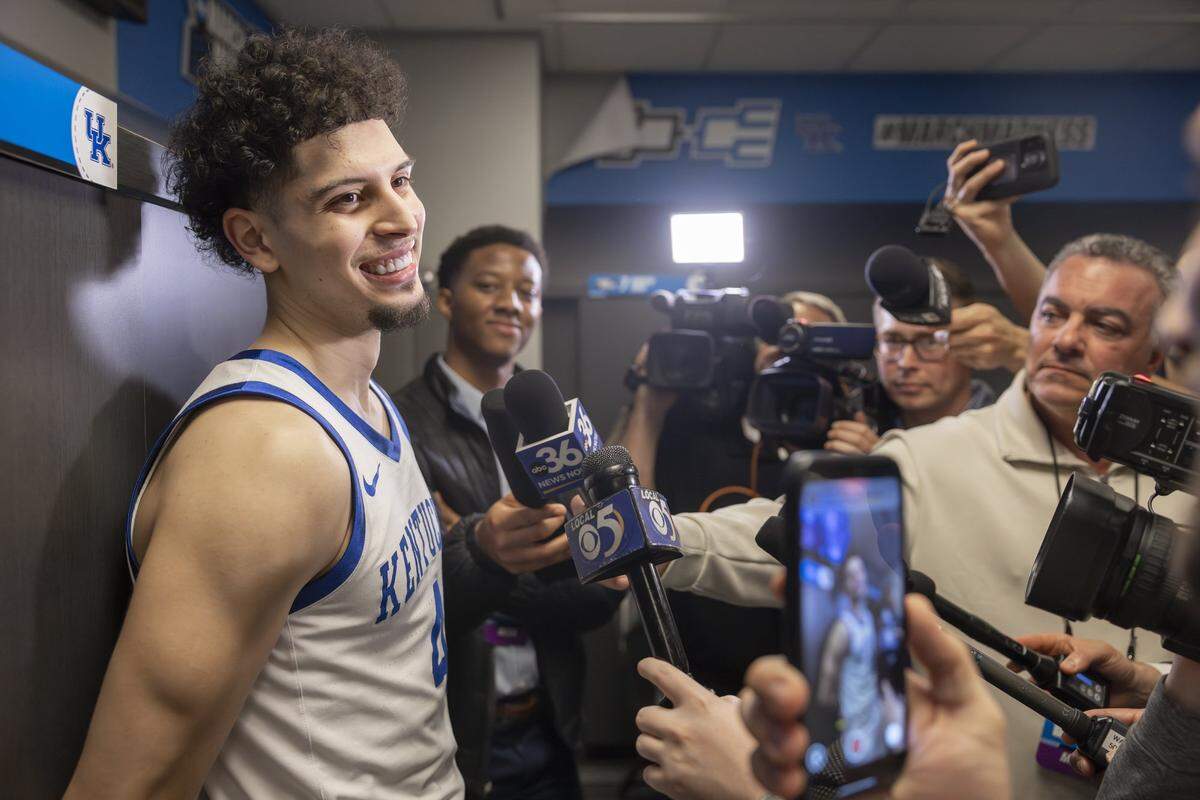
And those professional agents, who are vetted by the school’s compliance department, run the gamut of experience. For example, Koby Brea was represented last season at UK by an agency that also had NBA clients. Other players have been represented by more fledgling advisers. Some have kept negotiations completely within their own families.
Who is representing the schools in these talks? The hope moving forward is that — with the House settlement now in place — negotiations will move away from team personnel and more toward third-party entities that are affiliated with the schools. UK has set up a new collective, BBN United, and that group will be looking for ways to tap into more potential revenue streams on behalf of the university’s student-athletes.
UK also recently signed a new deal with longtime partner JMI Sports, which will oversee the BBN United operation and should bolster the school’s standing in the NIL landscape.
What does the JMI deal mean for NIL? One of the results of that new multimedia rights agreement — which will run through 2040 and be worth an estimated $465 million — is that JMI will now be able to identify and negotiate NIL deals for UK athletes. Officials from JMI will be tasked with finding opportunities for current Kentucky players and building potential NIL packages for prospective Wildcats in the future.
Even before the 2025-26 basketball season starts, JMI officials can begin that work for the 2026-27 roster, to ensure that UK coaches have a good understanding of how much money they’ll be able to allocate for next season’s team. That means putting together potential deals for players expected to return, while also finding legitimate business opportunities for the star high school recruits that UK is pursuing, and the high-profile transfer portal players whom the Wildcats will undoubtedly target in the spring.
JMI has already established a vast network of major local businesses that have long been partners and can be tapped into for NIL deals. From discussions with others operating in the NIL space, the JMI/UK partnership is both unique and ideally suited to generate legitimate business deals for Kentucky’s players. “I just can’t stress enough how JMI is so far ahead of everything else right now,” said one source from outside of the UK basketball program.
How have NIL changes affected basketball recruiting?
The emergence of the transfer portal as a major source of proven basketball talent has lessened the importance of traditional high school recruiting for many major programs. Those star prospects — not long ago the most coveted of all instant-impact players — have lost some of their luster, and fewer such players are making early college decisions as a result.
But while coaches at top schools are going all in on portal players, these high-profile high school recruits remain valuable additions, especially those at the very top of the rankings. The landscape for the 2026 class, however, will look much different than recent years.
Is recruiting just a financial negotiation now? The past couple of offseasons — when NIL guidelines were foggy — were the closest college basketball got to the pro model, where compensation was often a primary talking point in the recruiting process. While money will still be a major aspect of those negotiations — especially when it comes to top recruits and transfers — the hope for schools is that the added guidelines from the House settlement will lead to a less overwhelming focus on finances moving forward.
Basically, each college basketball team will have its revenue-sharing pot — a few million dollars — plus whatever it can cobble together in the form of outside, legitimate “fair market” deals. With any form of “pay for play” now explicitly banned, there will be only a certain amount of money to go around, and team payrolls shouldn’t rise nearly as high as they did for this season.
What does that mean for future college basketball players? It means most of them won’t make as much money as those who play during the 2025-26 season. “This upcoming year for all sports, in my opinion — unless we see a change in legislation — will be the most money student-athletes are going to make,” one source said.
During this past offseason, especially, teams were basically free to work with whatever money they could raise, whether it was coming from legitimate NIL deals or not. Now, any compensation for players beyond a school’s revenue-sharing pool will need to be vetted and verified by the College Sports Commission’s system as a fair-market business venture.
Are recruits and their families OK with this? We’ll see. The top high school seniors — and next year’s most-coveted portal players — have a good idea of what the best players in college basketball will be making this season, as do the agents who will be representing them. The landscape heading into the 2026-27 season — now that the House settlement has gone through — will ensure those players won’t have an opportunity to make as much money, collectively, as their 2025-26 counterparts. That could lead to some testy conversations during the recruiting process, but this will be a universal problem for coaches across college basketball.
How much money are these top players making? The asking price for one elite player nationally this season — a number that made the rounds in college basketball circles and the Herald-Leader verified with multiple sources — was $5 million. That’s an extreme example, but it’s not substantially more than a lot of other high-profile players around the country will be making this season. Simply do the math on Kentucky’s expected payroll — around $22 million, with 14 scholarship-level players on the roster — and you’ll have a good indication of what is possible in the current market, even for players who aren’t high-major starters.
Could some players still make that much moving forward? Sure. For the highest-profile players, shoe deals from companies like Nike and Adidas could be possible. Those packages could be worth millions and would likely pass through the College Sports Commission process, if the player in question is viewed as an All-American-level performer or potential NBA future star.
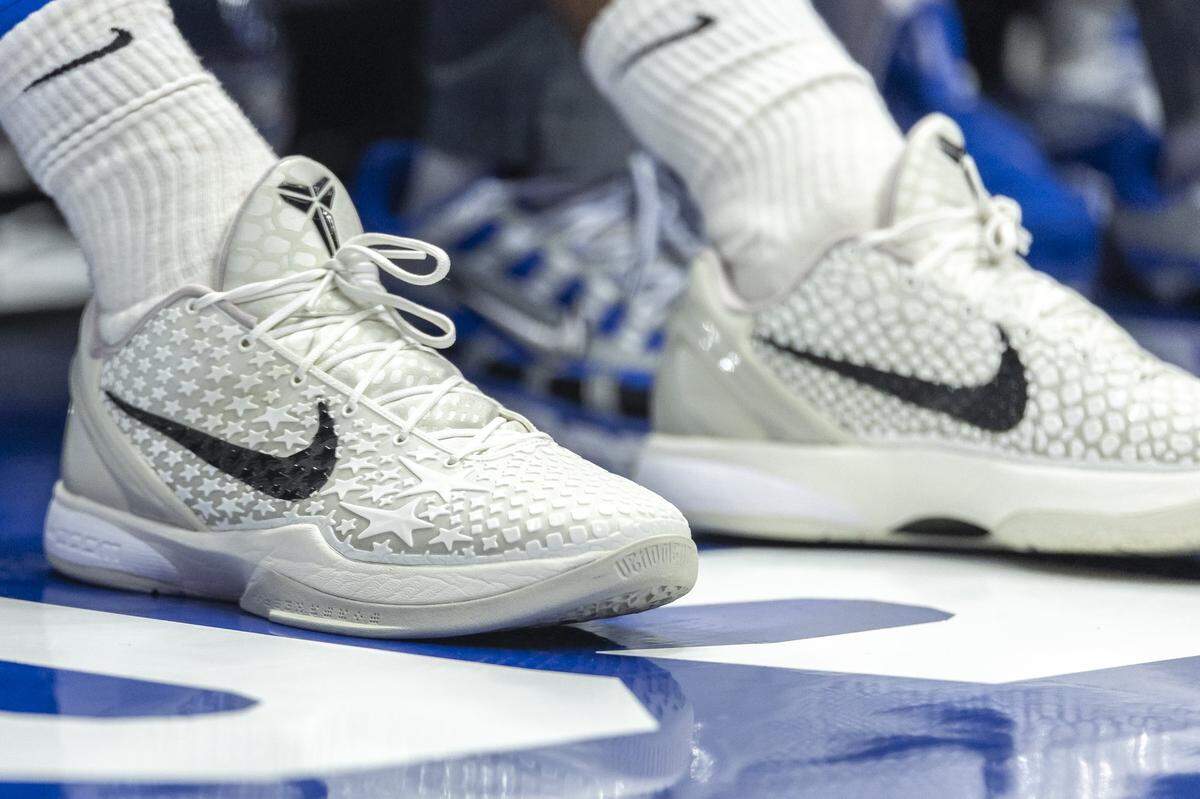
Example: If Kentucky — one of Nike’s biggest basketball brands — is pursuing a player of that caliber and Nike has an interest in putting together a major financial package, such an arrangement could see that recruit end up in Lexington. “That absolutely can happen,” one source said of such a scenario. That was said a couple of weeks before Tyran Stokes, the top player in the 2026 recruiting class, announced a deal with Nike.
Will Kentucky basketball be better off in the NIL era?
Beyond the mere curiosity of how much players are being paid, a common question among Kentucky fans basically boils down to this: Will all of these changes help or hurt the Cats?
Will UK basketball benefit from the NIL era? Almost certainly. That’s the overwhelming consensus from those inside and outside of UK’s program. With strict “pay for play” out the window, big-money donors won’t be able to simply make seven-figure contributions to programs — outside of the revenue-sharing total — with the intention of that money going directly to players. Any deals outside the revenue-sharing pool will have to be legitimate business ventures. “I think those true NIL deals are available more to Kentucky men’s basketball players than almost everybody nationwide,” one source said. “But those deals will have to be on the up and up, legitimate fair-market value deals.”
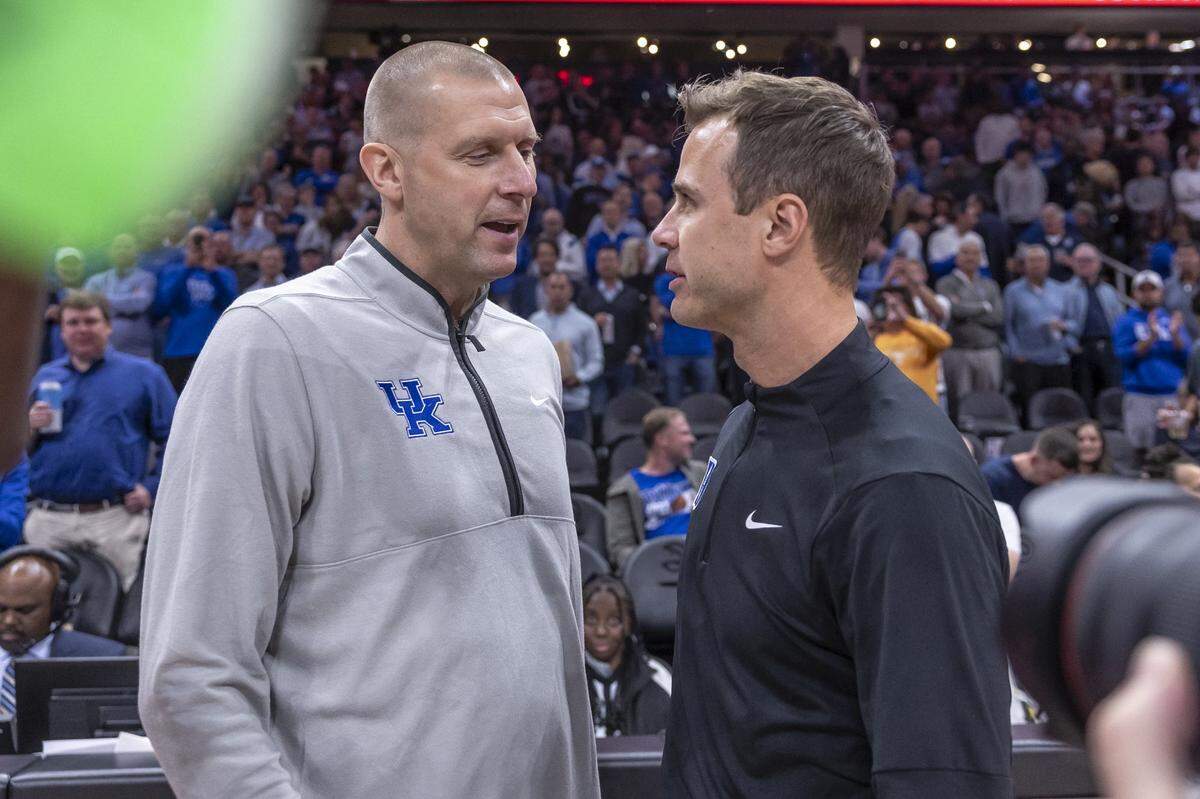
Why is Kentucky in a better position under that scenario? As one of college basketball’s premier programs, with a diehard fan base that reaches beyond the state, UK can tap into local and even national businesses for possible NIL deals.
One source from outside Kentucky wasn’t overly optimistic regarding UK’s chances to pull in big-name recruits on a regular basis through its affiliation with Nike — predicting that Adidas would actually spend more in endorsement deals for college players than Nike, which also has other high-profile partners beyond UK — but pointed to the university’s arrangement with JMI as an even bigger plus in this area: “If you have someone who will put stuff through commercially, it’s huge. Kentucky has that on steroids.”
The men’s basketball program will also likely continue to receive a larger piece of the internal revenue-sharing pie than most other power conference programs, especially those rivals in the football-obsessed SEC.
Aren’t other blue bloods in a similar position of strength? Absolutely. Basketball-first schools like Duke, Kansas and North Carolina — plus other historically notable programs in basketball-crazed markets like Indiana and Louisville — should be in a better position moving forward than they were in the past when it comes to building rosters through positions of strength in recruiting. Those programs, among a handful of others, will likely receive larger chunks of their athletics departments’ rev-share pool and/or have more opportunities to raise considerable NIL funds through legitimate marketing deals.
What other schools could benefit from the current NIL setup? College basketball observers are particularly interested to see how things go at Division I schools that have major programs within the sport but don’t have FBS football programs, like the Big East schools and Gonzaga. These schools will still be allowed to pay out the maximum $20.5 million to their athletes — schools can pay out less than that to their players, if they want to — but they won’t have to worry about the majority of that money going to football. That puts those basketball programs in a unique position of potentially getting millions of dollars more in revenue-sharing money than their counterparts with major conference football teams.
But there’s a catch: The athletic directors at those Big East and “mid-major” basketball powers won’t have any football revenue — far and away the primary moneymaker in college athletics — to put toward their own revenue-sharing pool. So those ADs will have to come up with an extra $20 million-plus dollars elsewhere, if they want to hit the revenue-sharing cap, and that won’t be an easy task. It’s possible that deep-pocketed supporters at those schools could make donations to the athletics department, with that money then being used as part of the school’s revenue-sharing pool — perfectly legal under the current system — but finding that kind of money on an annual basis will prove tricky, perhaps impossible, for most universities in this situation.
Multiple sources pointed to St. John’s, currently coached by Rick Pitino and backed by major financial supporter Mike Repole — a billionaire who is also a major presence in horse racing — as perhaps Kentucky’s biggest NIL competitor, both this season and moving forward, due to Repole’s ability to help the school reach the maximum revenue-sharing number.
“Kentucky is far and away” the leader in NIL this season, one source said. “The only school that’s even in the conversation at that number is St John’s.”
Other questions about NIL and college basketball
From academics to unforeseen circumstances, there have been plenty of other questions regarding how college basketball works these days.
Do players still have to go to class? Yes. Even with all of this money flowing through college athletics, the players are still considered to be student-athletes and must remain in good academic standing to compete. Nothing has changed in that regard.
Academic standards also vary from school to school. That’s always been the case, but the transfer portal in particular has raised awareness for how universities accept incoming students, especially transfers, differently. There have been instances in recent years of high-profile players intending to jump to a new school, only to find out that they might not have enough credits from their previous school that are eligible to transfer, according to that new school’s own standards. So, that player has to go somewhere else, even though he was in good academic standing at his previous school.
How are international students affected? Foreign players who are in the U.S. on student visas can still reap the benefits of NIL compensation, but there are stricter rules. Those players are permitted to receive money from a school’s revenue-sharing pool, but they cannot enjoy the full benefits of outside NIL deals. Any extra money they receive would be deemed “passive” compensation, meaning they can’t do actual work for it. So, an international player’s likeness could be used by a company, and that player could be compensated for that, but he couldn’t film a commercial or participate in a photo shoot specifically set up for that company.
There are loopholes for this one, too. Technically, foreign players could leave the country to participate in non-passive NIL enterprises, and it would be within the rules. But they cannot take part in such activities on American soil.
What happens if a player gets hurt? Does he still get his NIL money? Yes. A recent example: Kerr Kriisa was injured in early December last year and never played for Kentucky again, but he still received the NIL package that was agreed to in advance of the season.
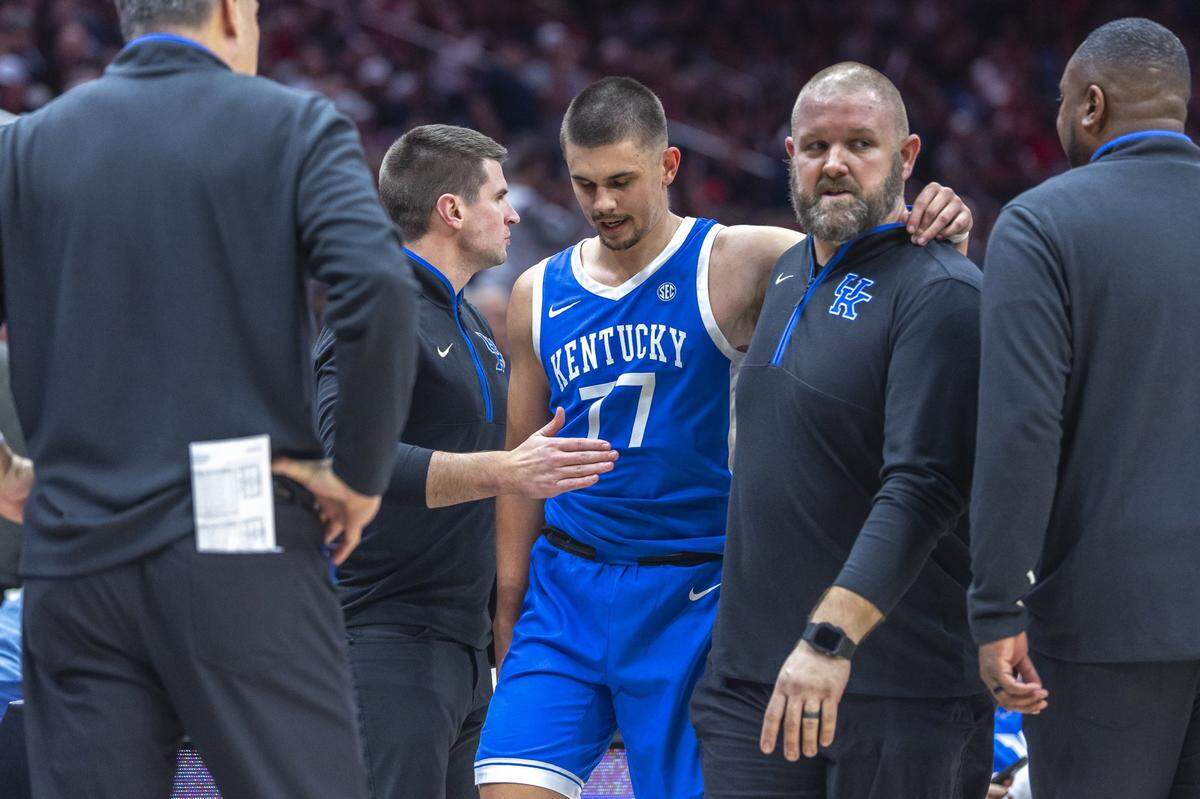
How do players get paid? For the most part, players are paid monthly. Some Kentucky players have been able to get a bulk of their outside NIL compensation up front, but the majority of Wildcats will receive a monthly check for being on the team. The revenue-sharing money will also be doled out on an incremental basis this season, and the schedule for those payments is known to the players in advance. Players are responsible for ensuring all proper tax forms are filled out and all of their income is reported.
Can players negotiate deals on their own? Sure. Student-athletes at Kentucky, for instance, are not required to go through JMI when putting together potential NIL packages for themselves, and UK officials have said that they would still like to attract the types of athletes — across all sports — that are capable of bringing in NIL money without the help of the university’s partners.
What are the biggest complaints so far? A common grievance among some in college sports has been the lack of speed and clarity in the NIL Go process, which has led to deals getting stuck in limbo or denied without the level of transparency that many would like to see. The College Sports Commission has been vague on exactly how many people are responsible for vetting these NIL deals, though it’s important to remember that Deloitte has a major hand in that process (and the personnel tasked with reviewing deals is larger than the CSC staff). One adviser to a current student-athlete — not at Kentucky — told the Herald-Leader that one of that player’s deals had been held up for months, with no resolution either way and no communication regarding the reason for the delay. Other deals have been denied for minor clerical errors.
Are any schools breaking the rules to get around this process? The short answer is yes. Several sources told the Herald-Leader that some athletics departments are already bypassing the NIL Go process in order to get their players compensated without delay. Arkansas athletics director Hunter Yurachek, who hired John Calipari away from Kentucky in 2024, made headlines last month by implying that — with schools around the country already breaking the rules — it might lead more departments to go that route in order to stay competitive.
“Until we get our enforcement agency up and running, you’re going to continue to have schools operating in that third lane, and that’s a bad place to be in my opinion,” he said. “It’s bad for college athletics. I don’t want to operate there, but to be competitive, we may have to figure out what that third lane looks like for the University of Arkansas.”
What happens if you run afoul of the new rules? Probably nothing, at the moment. That’s expected to change, however. Someone associated with the CSC told the Herald-Leader that it was in the process of hiring a “head of investigations” — and the expectation is that there will soon be an enforcement agency to make sure NCAA programs are following the rules, with stiff penalties for offenders. Just last week, the CSC established a “tip line” that will allow for anonymous reporting of potential violations of the new NIL rules, a clear indication that officials overseeing the process know that there’s already some level of cheating going on.
One source said other schools are actively seeking to get around the NIL Go process with the expectation that any enforcement arm set up in the future by the College Sports Commission would not be able or willing to retroactively penalize them for working around the rules in the current landscape: “That’s probably going to come back to bite some people in the butt.”