
When March Madness and Selection Sunday meant 3 reporters and a scent of chlorine
AI-generated summary reviewed by our newsroom.
- Selection weekend moved from NCAA national office to Hyatt Regency in 1982.
- CBS wanted a live show; NCAA and Hyatt agreed to host it in 1982.
- Hyatt hosted committee operations for 18 years, through 1999.
Editor’s note: Bill Hancock was director of the NCAA Division I Men’s Basketball Championship from 1989 until 2005, when he joined football’s Bowl Championship Series and then became executive director of the College Football Playoff. He retired in February 2025. As of this writing, he has attended 46 consecutive men’s Final Fours since his first in Salt Lake City in 1979.
How it all began
This is part of the story of a college sports event that grew from near obscurity in the 1940s to a month-long championship that ranks among the most watched and most revered in the world.
The NCAA Division I Men’s Basketball Championship certainly has evolved over time to a grandness few would have expected when the event debuted in 1939. Many of the changes have been visible to the legions of fans who love the event.
But few know the role played by a chlorine-scented Holiday Inn Holidome in Mission.
Tournament experts know that the event began with eight teams in 1939, went to 16 teams in 1951 and continued to grow until its current size of 68.
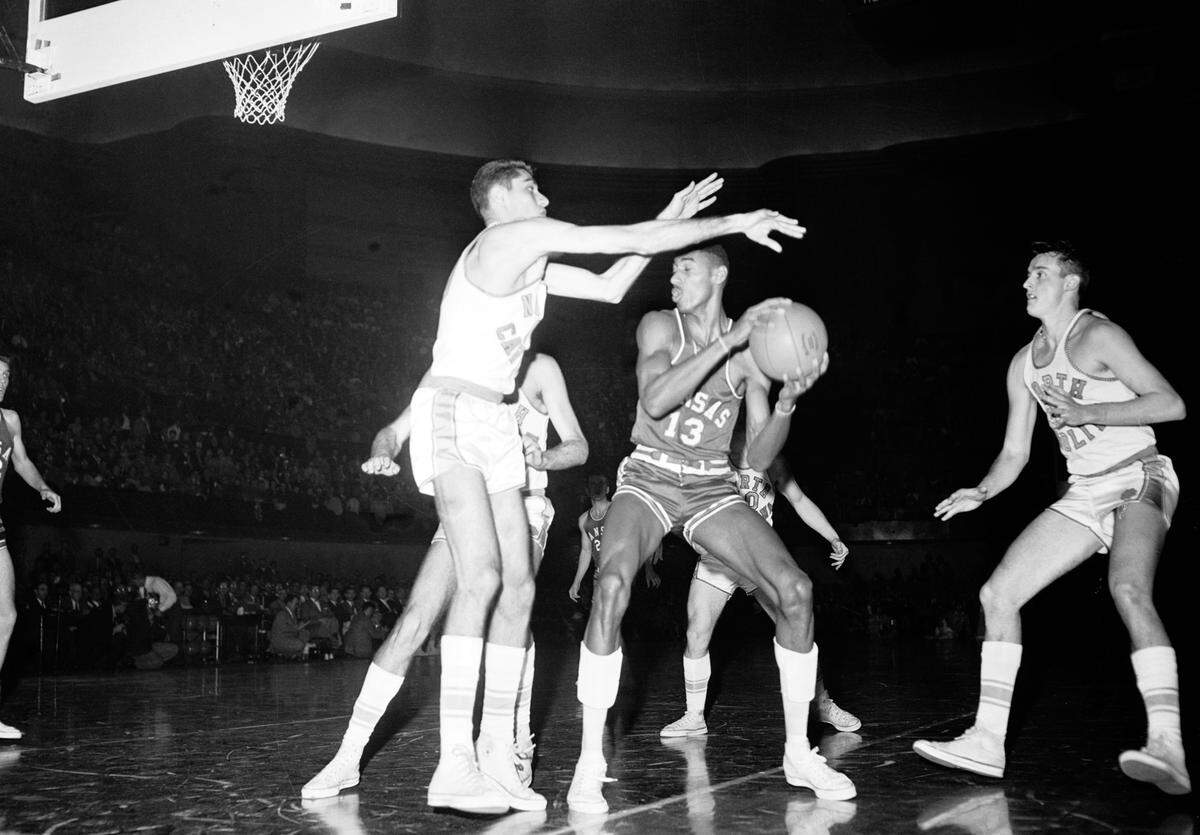
Others recall that the men’s Final Four was in a domed stadium for the first time in 1971 at Houston’s Astrodome; that the last non-dome to host the Final Four was The Meadowlands in New Jersey in 1996. And that the first full-stadium setup in a dome was at Detroit’s Ford Field in 2009.
About that Holidome ...
Planning in Mission, Kansas
Before 1982, the basketball committee members gathered in a conference room on the third floor of the NCAA national office to select the teams. The building was at the corner of 63rd Street and Nall Avenue in the leafy Kansas City suburb of Mission.
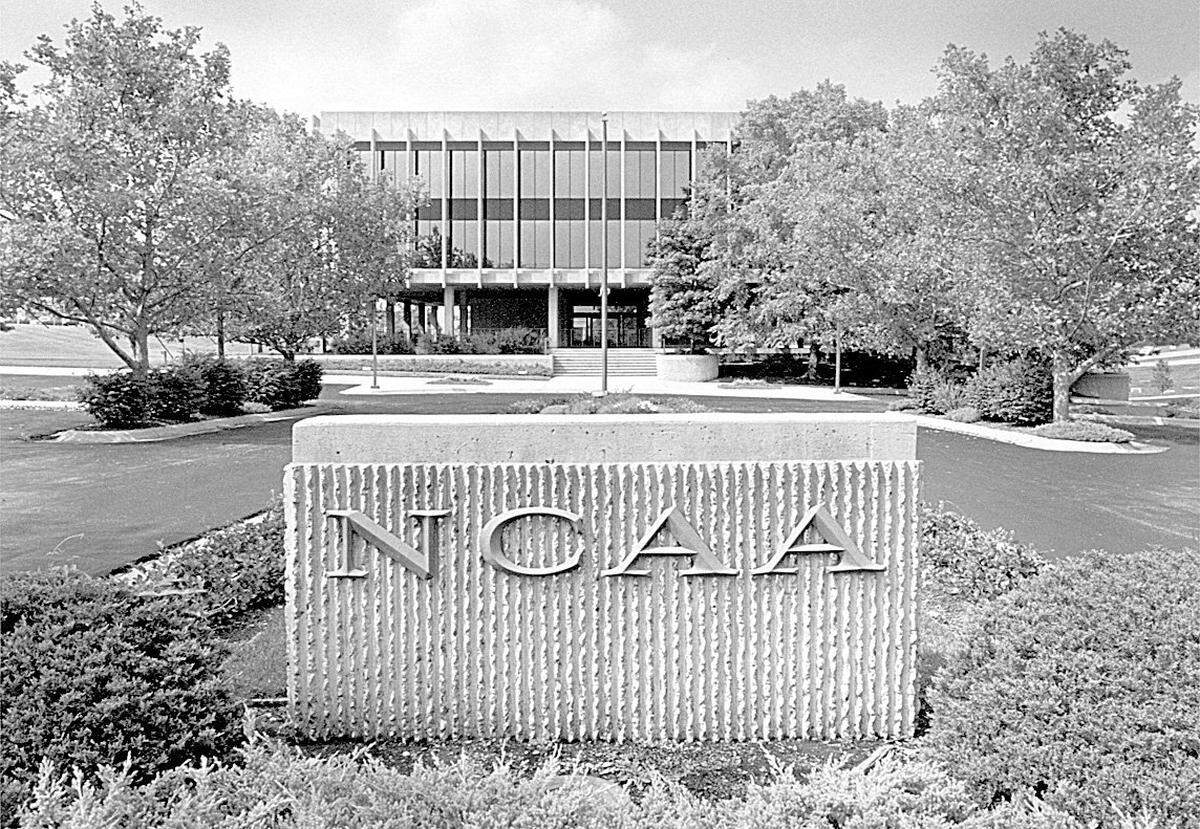
On normal NCAA workdays, that space was actually two rooms. They were separated by an airwall that the staff opened to accommodate the nine basketball committee members, and the only others who were allowed into the room. By 1980 these select few were NCAA assistant executive director Tom Jernstedt and public relations director Dave Cawood. They would administer the tournament together for 20 years.
The committee members stayed overnight during selection weekend at the nearest hotel, a Holiday Inn Holidome a mile west at the northwest corner of Shawnee Mission Parkway and Metcalf Avenue. NCAA staff members ferried them to and from the national office in private vehicles.
Do you remember Holidomes? They were family-friendly spaces, basically an indoor amusement park surrounded by two or three floors of hotel rooms. Holidomes were popular during the 1970s and 1980s.
Children and their parents enjoyed the pool, miniature golf, and an arcade. Some Holidomes had tiki bars. The ventilation wasn’t perfect, so the place carried the sweet aroma of chlorine.
Families frolicking in this Holidome surely had no idea about the mission of these nine tall gentlemen who trouped in and out. The media-crazed attention that would fall on selection weekend and those who worked to make it happen hadn’t yet begun.
Basketball committee members could walk about without drawing the attention of either the press or frenzied fans.
“I remember going from that Holiday Inn to church with Dave Gavitt,” said Larry Albus, former commissioner of the Metro Conference who was a member of the committee from 1974 until 1980. “No one paid attention; we were just two guys at church.”
The announcement of the tournament pairings was a far cry from today’s slick, televised production with the bracket flashing region-by-region around the world instantly on television and via social media.
Three journalists who covered the announcement of the brackets in 1979, 1980 and 1981 recalled the informality. Doug Tucker of the Associated Press, Rick Gosselin of United Press International and Steve Richardson of The Kansas City Star were the only reporters present.
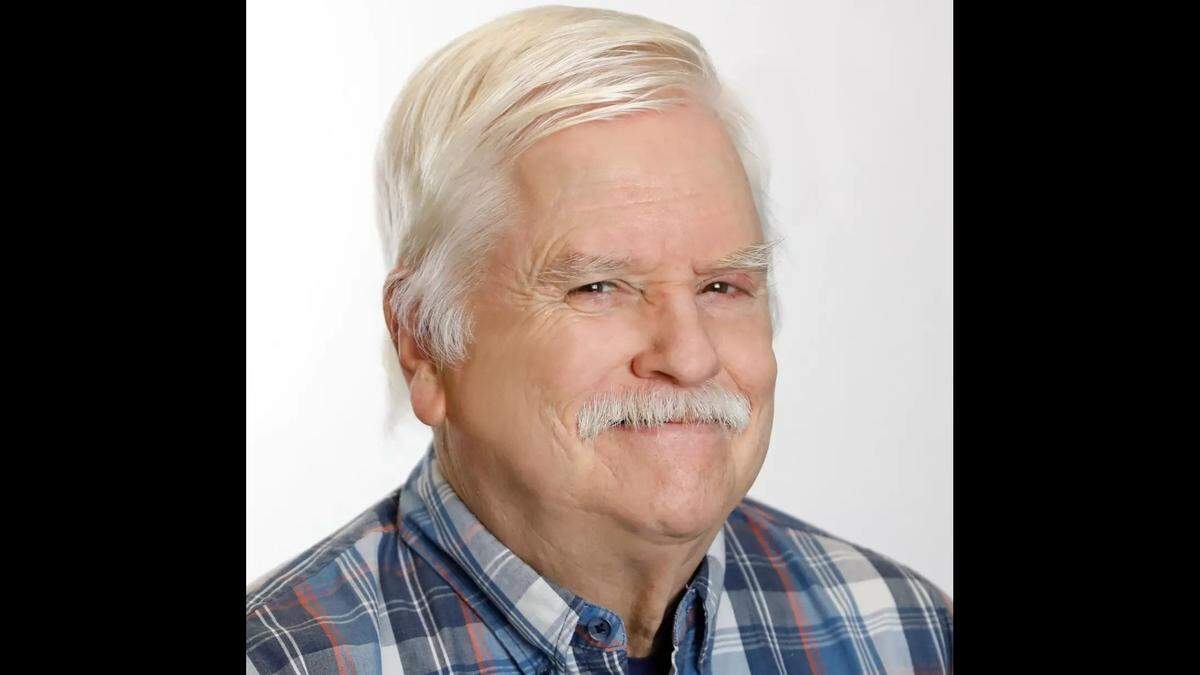
“In the pre-Hyatt days Dave Cawood passed out brackets to media who had been waiting in the national office,” the AP’s Tucker wrote in an e-mail.
“We sat at desks outside a conference room waiting for Dave to herd us into the conference room where he would pass out the brackets. Then we talked to the chair of the selection committee.
“Dave and Tom Jernstedt were hovering in the room. I’m pretty sure we were in the room where the committee had met and deliberated.”
Gosselin of UPI had the same memories.
“The three of us went to the NCAA headquarters on Sunday morning, and Cawood would hand the bracket to us when the committee finished it. Then Tucker and I would race to phones to get the story on the wire first.”
The only telephones available were on NCAA staff members’ desks.
“Usually I would write most of the story before I ever went to the headquarters,” Gosselin said. “Life was so much simpler then.”
Richardson said, “We were all in this crowded room at the NCAA headquarters. We were sitting at a table, just kinda waiting. Then Cawood brought in the bracket, gave a copy to each of us, and then we’d asked questions.”
The staff is a story in itself. The tournament has always been the NCAA’s most visible and important event and had to be managed commensurately — only the best for the best. The brilliant NCAA executive director Walter Byers assigned the task to his most talented administrators.
The pantheon of people who ran the tournament over the years included three giants of the industry who went on to significant roles — future commissioners Wayne Duke (Big Ten), Tom Hansen (Pac-10) and Chuck Neinas (Big Eight.) When they moved on to greener pastures, Byers appointed Jernstedt and Cawood.
CBS television steps in
That quaint atmosphere changed after the 1981 tournament, when CBS took over the television rights from NBC. CBS wanted a live show to announce the bracket beginning in 1982.
It was a revolutionary concept.
“We told Walter (Byers) that the NCAA was keeping its tournament a secret,” said retired CBS administrator Kevin O’Malley, who led the CBS negotiating team that won the tournament rights beginning in 1982. “We said, ‘It shouldn’t be a secret. You need to explain the bracket. The fan doesn’t understand it — who’s going to play whom if they both win.’
“Walter agreed. We committed to airing the show before 60 Minutes. Walter was a news junkie, and he liked the idea.
“We wanted everyone to learn the bracket first on the selection show. Before 1982, the news sometimes would leak out. It was haphazard. People would call members of the selection committee to learn where their teams were going. That wasn’t good for the tournament.
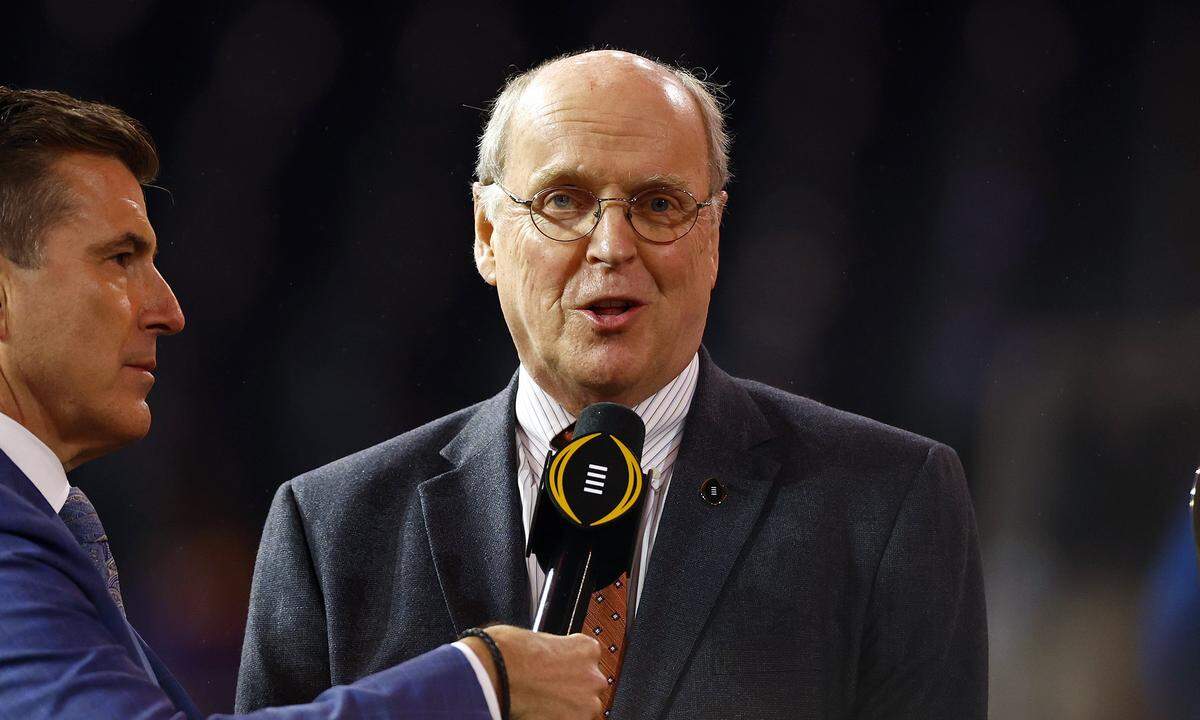
“The live show was the answer,” O’Malley continued. “But we knew we couldn’t produce a live television event from the NCAA national office.”
If not tiny Mission, Kansas, then where? Enter Tim Lindgren.
Attention to the details
Tim Lindgren earned a college scholarship as a student-manager for coach Jack Hartman’s Southern Illinois Salukis. Lindgren was in school when Hartman’s team won the 1967 NIT.
“I couldn’t have gone to college without that scholarship,” Lindgren said.
From Hartman, Lindgren learned to pay attention to details. And he learned to love college basketball.
The 33-year-old Lindgren was the hotel’s general manager when the magnificent Hyatt Regency Kansas City opened in 1980. He began to seek opportunities to connect with the community, and he thought college basketball, which was immensely important in Kansas City at the time, was one way to do it.
He had lured the headquarters for the Big Eight Conference Men’s Basketball Tournament away from Kansas City’s tony Alameda Plaza Hotel to the Hyatt. But there were bigger fish to fry.
“Tom, Dave and I had dinner,” Lindgren remembered. “I told them we could do the entire NCAA selection weekend event at the Hyatt—the committee meeting, the telecast, and a news conference, everything. They were interested.”
Lindgren said the Hyatt—incidentally, at the time it was the tallest building in the state of Missouri—could deliver the first-class weekend that the NCAA needed. The top two floors of the hotel, 39 and 40, could be secured, so the committee would have privacy.
It was a major leap forward from that Holidome and the NCAA office. Lindgren oozed confidence that it could be done.
He promised that the hotel staff could remove the furniture from two large suites where the hotel staff could set up a conference table for the meeting, and from a smaller suite across the hall where the committee members could have their meals and relax. Ballrooms on the ground floor would be available for the CBS studio and for a news conference room and working space for reporters.
Jernstedt and Cawood were intrigued. So were O’Malley and his CBS colleagues. With the blessing of Byers and basketball committee chairman Gavitt, the three parties — NCAA, CBS, and the Hyatt — shook hands. The whole shebang would move ten miles northeast to Kansas City’s finest hotel.
“Walter was tough, and he wanted things done right,” said Jim Host, whose company owned the tournament’s marketing and radio-broadcast rights for many years and understood much about the internal operations of the tournament. “He knew this was the right thing to do.”
But then a disaster stunned Kansas City.
The terrible Hyatt collapse
A tragedy shocked the Hyatt and Kansas City only a few weeks after the parties agreed about the 1982 selection weekend.
On the evening of July 17, 1981, two walkways collapsed in the hotel’s lobby, killing 113 people. It was an incomprehensible calamity for the hotel and Lindgren, its young general manager, who lived in the hotel and happened to be standing at the top of an escalator overlooking the crowded lobby when the walkways fell.
“It left an indelible impression on me, of course,” Lindgren said. “Selection weekend suddenly was the farthest thing from our minds.
“Tom and Dave stuck with us,” Lindgren said. “Obviously, it was a sad time for all of us — for all of Kansas City. Tom and Dave offered their homes for anyone from Hyatt who needed a comfortable place to stay. They could not have been more kind and gracious. I offered to let them move selection weekend to somewhere else, but they said, ‘We have a deal and we’re coming to the Hyatt.’”
By the time the Hyatt re-opened in October 1981, the NCAA and CBS had quietly moved ahead with their planning.
By March 1982, everything was ready.
It all comes together at last
The selection committee members, with Gavitt as their leader, loved the new surroundings at the Hyatt.
On Sunday afternoon, March 7, Gavitt, Jernstedt and Cawood boarded a hotel elevator on the 40th floor and rode down the lobby to a room that CBS had turned into a studio. Cawood handed the bracket to CBS officials. The committee had chosen Georgetown (coached by John Thompson), North Carolina (Dean Smith), Virginia (Terry Holland) and DePaul (Ray Meyer) as the No. 1 seeds.
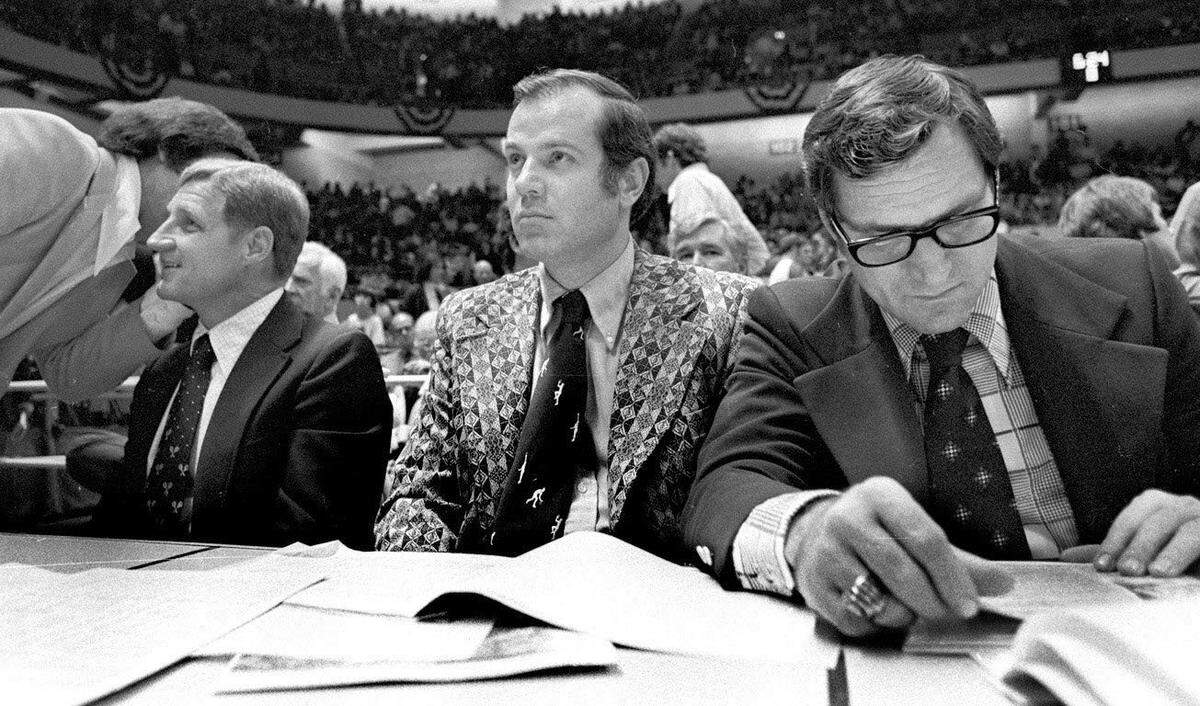
Brent Musburger and Billy Packer anchored the coverage from New York City. Gary Bender was on the air from Kansas City. Cawood introduced Gavitt — a snippet of Cawood’s remarks were carried on the telecast, subjecting him to considerable teasing — who spoke live on national television at the front of a Hyatt ballroom full of people.
The spectators in the ballroom included Gavitt’s fellow committee members. He stood next to a podium with a sign that read “Hyatt Regency Kansas City.”
Lindgren, the genial kind-hearted young hotel general manager who was the consummate promoter, had worked his magic.
“When we made the announcement from that meeting room in Kansas City, those slots with the team names on the wall were filled in by hand,” CBS’s O’Malley said. “We couldn’t do it electronically. We started out with Gary (Bender) unveiling the east region. While he was doing the east, a guy was on the floor filling in the other brackets.”
Moving selection weekend to the Hyatt Regency had been an enormous success.
History is made
Three weeks later, on Monday, March 29, in New Orleans, North Carolina’s Jimmy Black found Michael Jordan on the left wing, and he rose and hit a jumper with 17 seconds to go to put Carolina ahead of Georgetown, 63-62.
The Hoyas pushed the ball up the court. Hoyas guard Fred Brown mistook Carolina’s James Worthy for a teammate and passed the ball right to his opponent.
History was made.
A long run in Kansas City
The basketball committee created the brackets at the Hyatt Regency Kansas City for 18 years, until the NCAA relocated its national office to Indianapolis four months after the 1999 tournament.
The committee met at the Indianapolis Westin for a few years, then a few blocks away at the Conrad Hotel, then in New York City, and now back in Indianapolis.
With Gavitt’s talented son, Dan, now serving as the NCAA’s senior vice president of basketball, no more Holidomes — or the sweet smell of chlorine — are in the committee’s future.
This story was originally published March 12, 2026 at 6:30 AM with the headline "When March Madness and Selection Sunday meant 3 reporters and a scent of chlorine."