
How war, murder & euphoria became part of FIFA World Cup’s passionate history
Dani Rojas, a soccer star played by Cristo Fernández on the TV series “Ted Lasso,” summarized it perfectly with his mantra: “Futbol is life!”
The FIFA World Cup, which begins Thursday in Mexico City and continues over the next several weeks throughout North America — including Kansas City — settles the championship of the “beautiful game.” It also reflects the human experience.
The World Cup had played a role in a war, was the likely reason for a murder, and touched off the largest sports celebration in history. Every four years soccer gathers for its championship and its intense global devotion is amplified.
Here are a handful of examples, on and off the pitch, where futbol was life.
1938: Matthias Sindelar and the Austrian Wunderteam get better of Nazis
In the early 1930s, Austria fielded what became known as the Wunderteam and reached the semifinal of the 1934 World Cup before falling to host Italy. Austria was led by top player and one of soccer’s first global stars, Matthias Sindelar, known as “The Mozart of Football.”
Four years later, Austria lost its team as the German Third Reich abolished the national federation and absorbed the Wunderteam. In a final friendly, a game that German officials had preferred to end in a draw, Sindelar scored a second-half goal in the Austria victory.
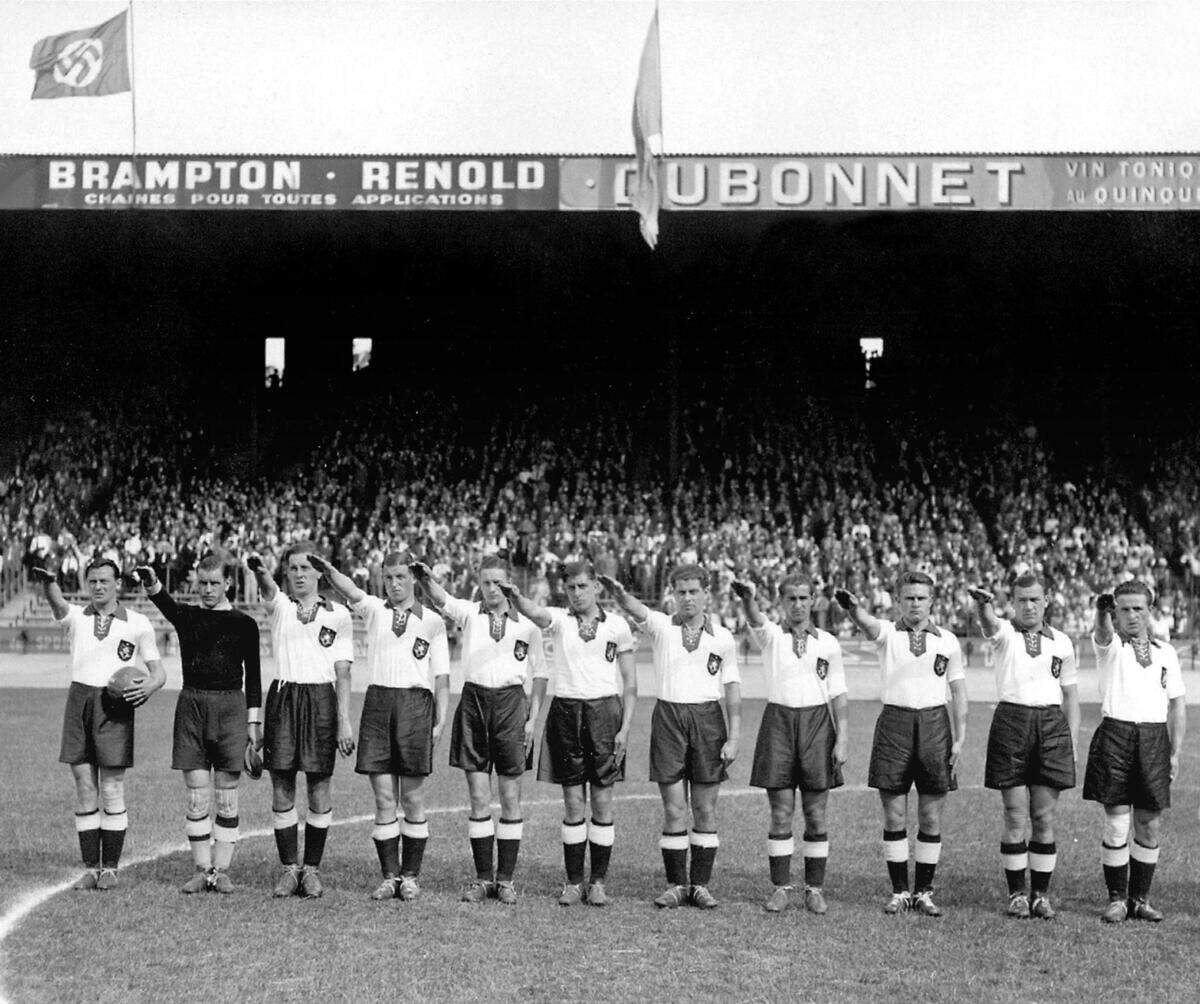
Less than a year later, Sindelar, 35, and his girlfriend were found dead in his apartment. The official cause was carbon monoxide poisoning. Austrians believe he was murdered for refusing to join the German team.
The Nazis ordered the case closed after six months, and a local official was allegedly bribed to record his death as an accident to ensure Sindelar would have a state funeral. Some 20,000 attended to mourn their hero in what was called Vienna’s only protest against the Nazis.
1969: The Football War
Tensions between Central American neighbors El Salvador and Honduras had been building for some time, but the two-game qualifying rounds for the 1970 World Cup provided the sparks for warfare.
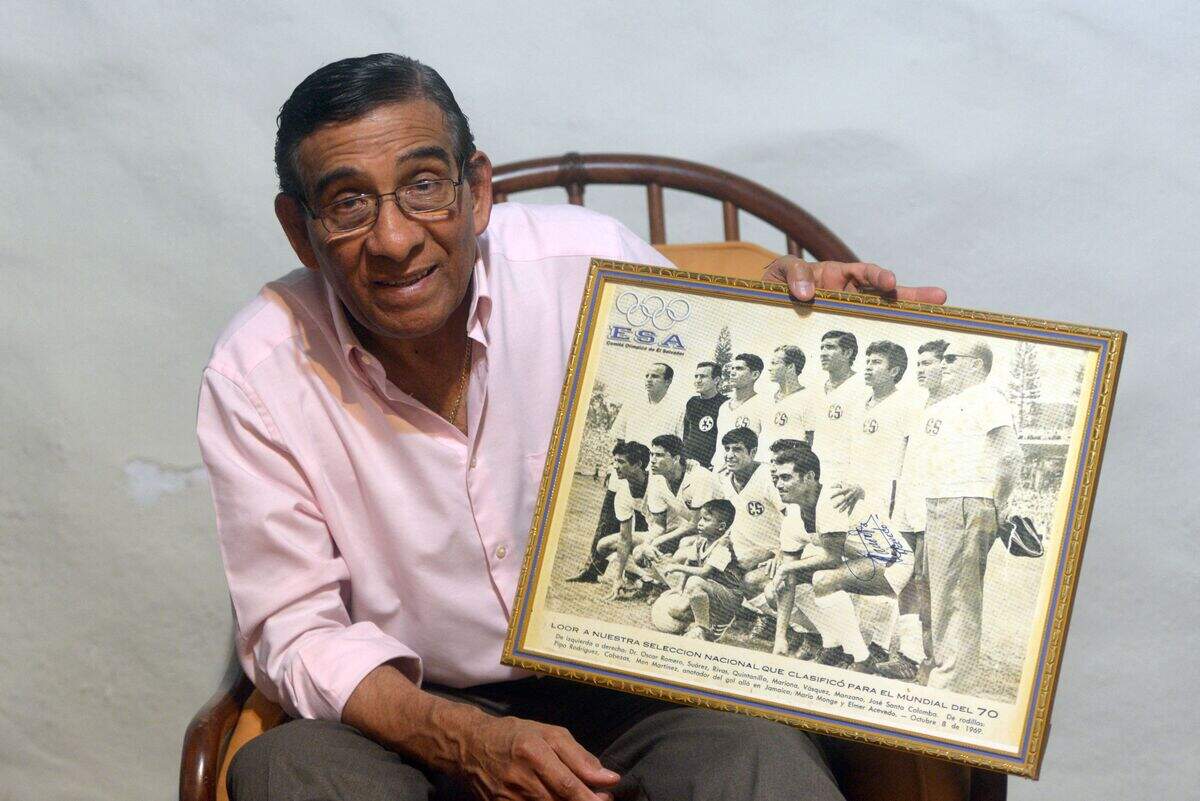
The night before the first game in Honduras, local fans with noisemakers kept the Salvadoran team awake throughout the night. Honduras defeated the sleep-deprived Salvadorans 1-0. A Salvadoran teenage girl watching at home reportedly shot herself over the outcome and the funeral was a ceremony of state with the president and army in attendance.
The unwelcoming behavior was returned on the next leg and Honduras fell 3-0 — a third match was eventually ordered. Two visiting fans were killed, and in retaliation, a number of Salvadorans in Honduras were killed. Tensions remained high and a month later the nations engaged in a four-day war with some 3,000 casualties.
1978 and 1982: Scandal and disgrace
In 1978, host Argentina was on a brink of elimination. In the system of the time, before the knockout round format, Argentina needed to win its game against Peru by four goals to finish ahead of Brazil and reach the final.
Minutes before kickoff, Peruvian political leaders entered the locker room and reminded the players of the importance of the nation’s strong relationship with Argentina. Peru lost 6-0. Argentina went on to win its first World Cup, and 10 days after the final Argentina granted Peru a non-refundable credit.
More shenanigans were provided at the next World Cup in Spain. West Germany met Austria in a final group stage game and the teams knew that a German victory by fewer than three goals would result in both teams advancing to the next round.
West Germany scored early, and after that the teams essentially agreed to a non-aggression pact. They ran down the clock, especially in the second half, and the early goal stood up. The loser? Algeria. Any result other than a German victory by fewer than three goals would have advanced the Desert Foxes.
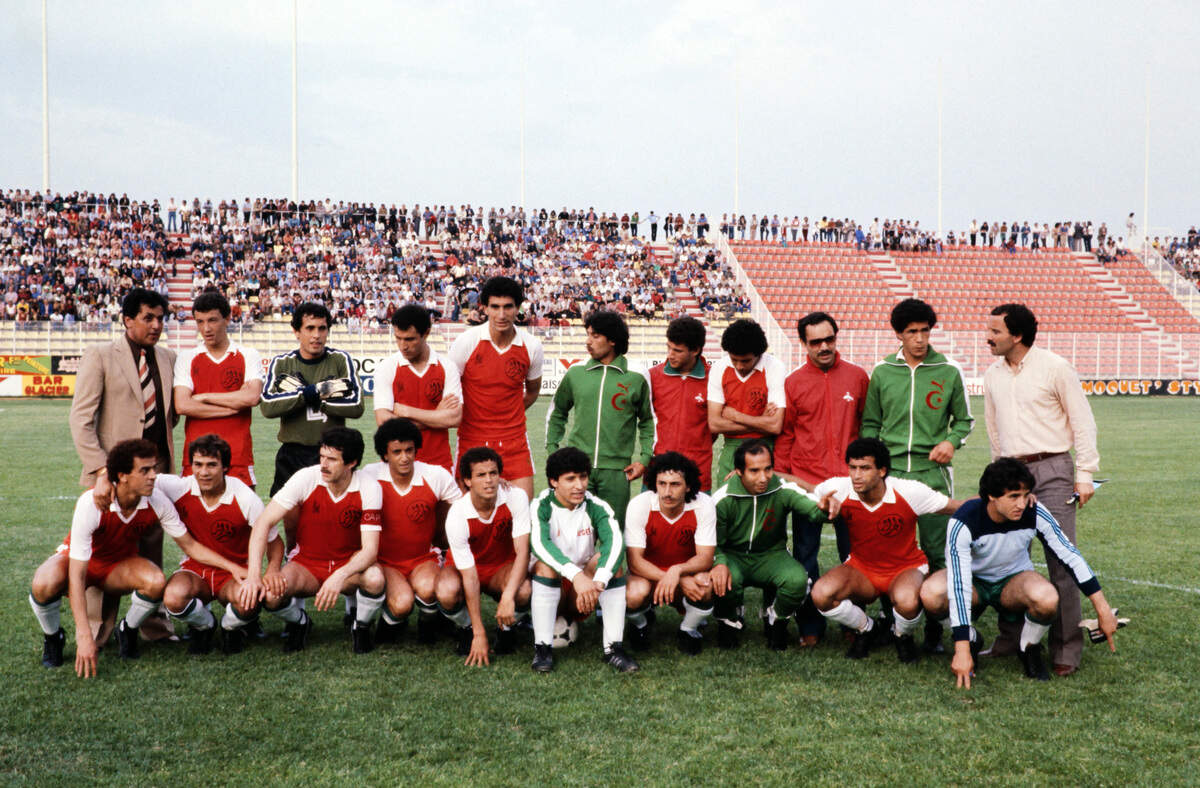
Despite Algeria’s formal complaint, FIFA ruled the rules weren’t broken. But the game known as the Shame of Gijon (Spain), changed the format: The final two games in the group stage would be played simultaneously.
1994: Own goal tragedy
Colombian defender Andres Escobar experienced the nightmare of any soccer player. Attempting to stop a shot from the United States’ John Harkes, the ball deflected off Escobar’s foot, past his goalkeeper who was moving in the opposite direction and into the net for an own goal. The U.S. won 2-1, and Colombia, feeling pressure in this game after losing its opener, did not advance from the group.
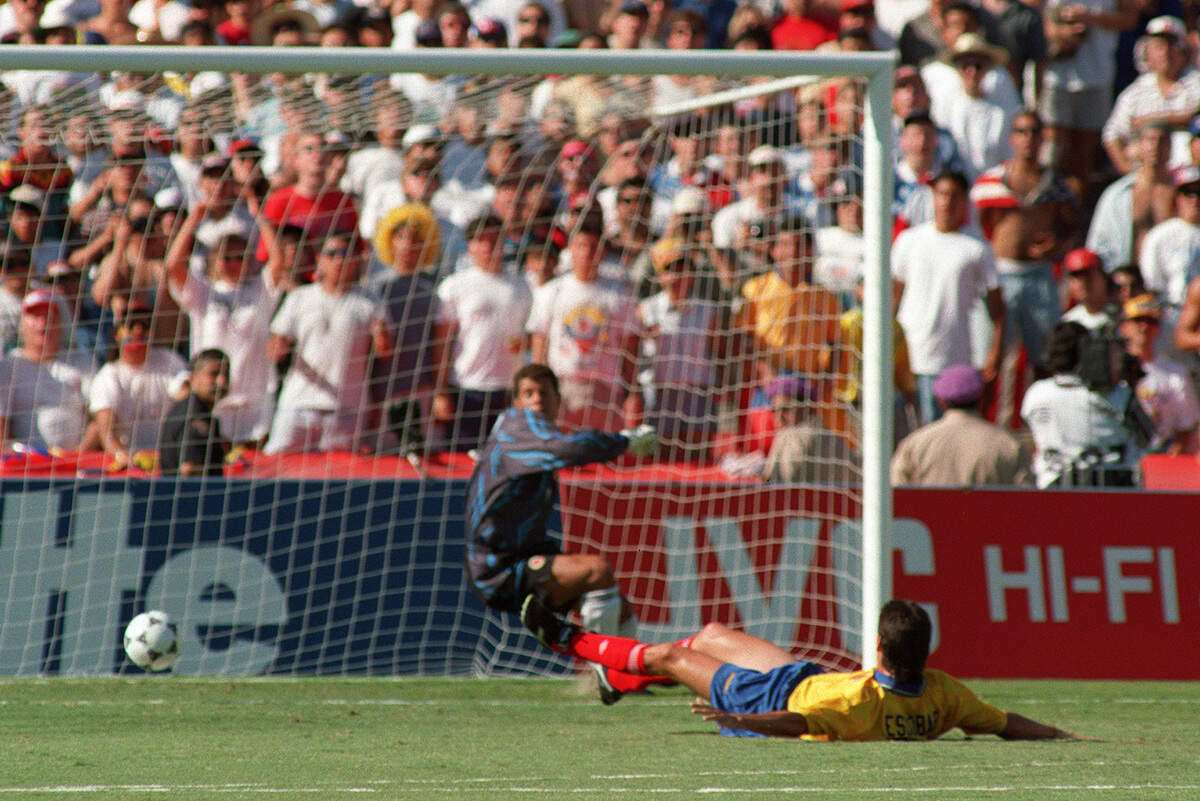
Ten days later, Escobar made his first public appearance since the game, at a nightclub in Medellin. In the parking lot, Escobar was shot six times in the back. According to witnesses, the killers, who were allegedly known drug traffickers, shouted the word gol (goal) during the attack.
More than 100,000 Colombians filed past Escobar’s body as it lay in a wooden casket, draped with a green and white flag of his club team, in a Medellin basketball arena. Motive was never proven, but it’s widely believed Escobar paid for an own goal with his life.
2022: The biggest sports celebration
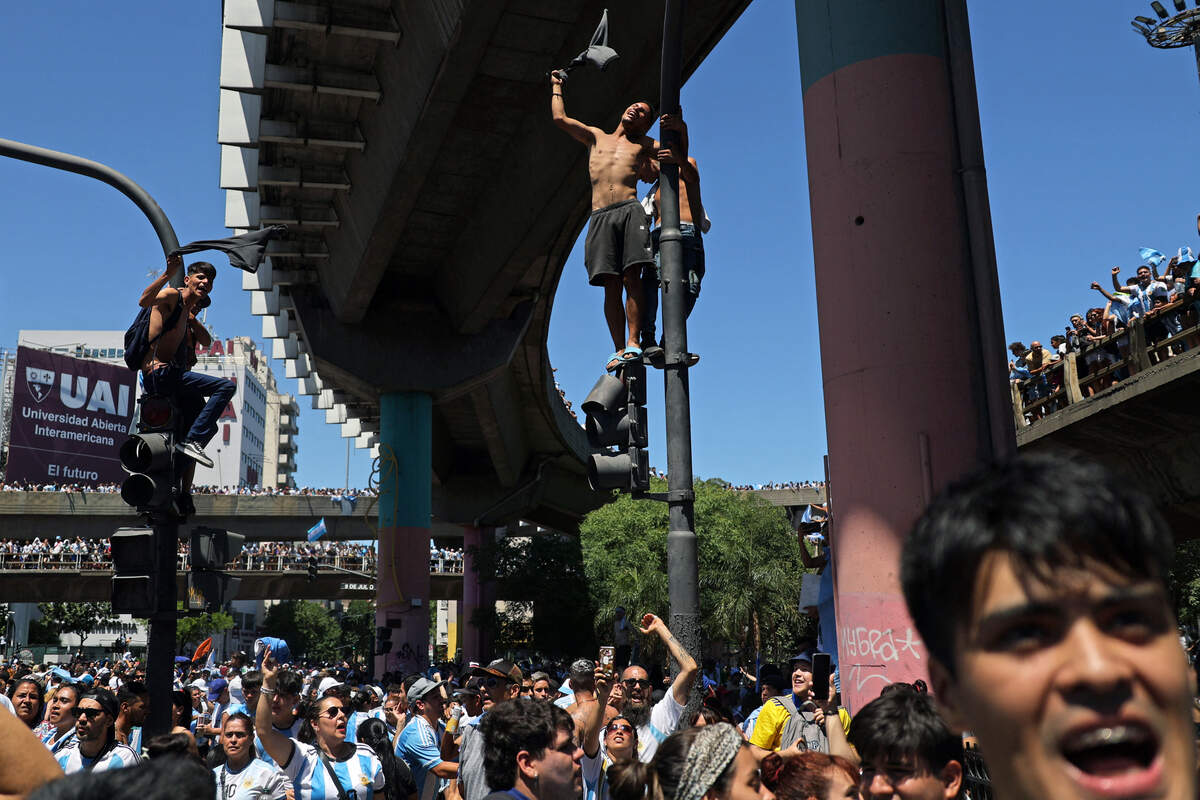
Every World Cup champion is saluted in its home country. What happened in Buenos Aires four years ago surpassed any celebration.
Two days after Argentina defeated France 4-3 in a thriller in Qatar, some 5 million fans lined the streets of the nation’s capital city. Players had to abandon an open-air bus and complete the parade in a helicopter for their safety.
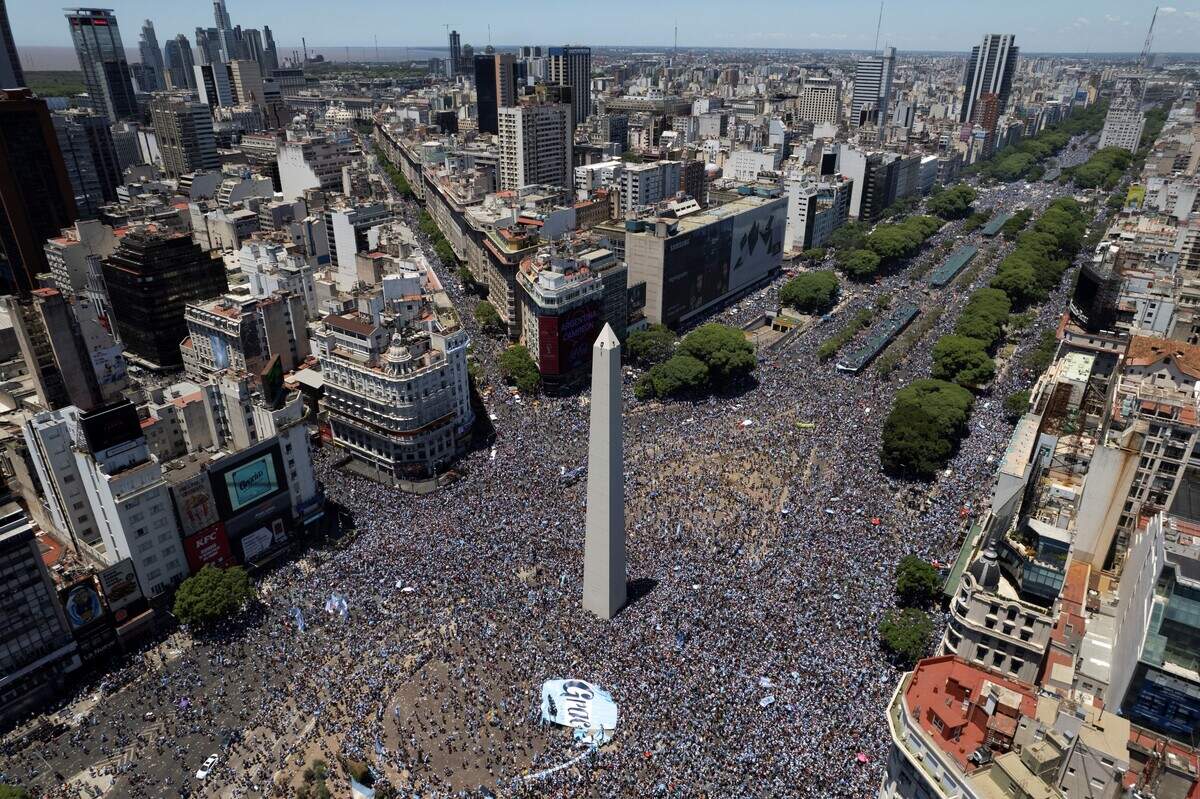
Crowd estimates are often sketchy, but this party stands with some of the largest sports gatherings in history.
That’s the emotional power of the World Cup.
This story was originally published June 8, 2026 at 6:00 AM with the headline "How war, murder & euphoria became part of FIFA World Cup’s passionate history."