
‘The passion of sports.’ KHSAA’s top refs discuss joys, pitfalls and rewards of their jobs.
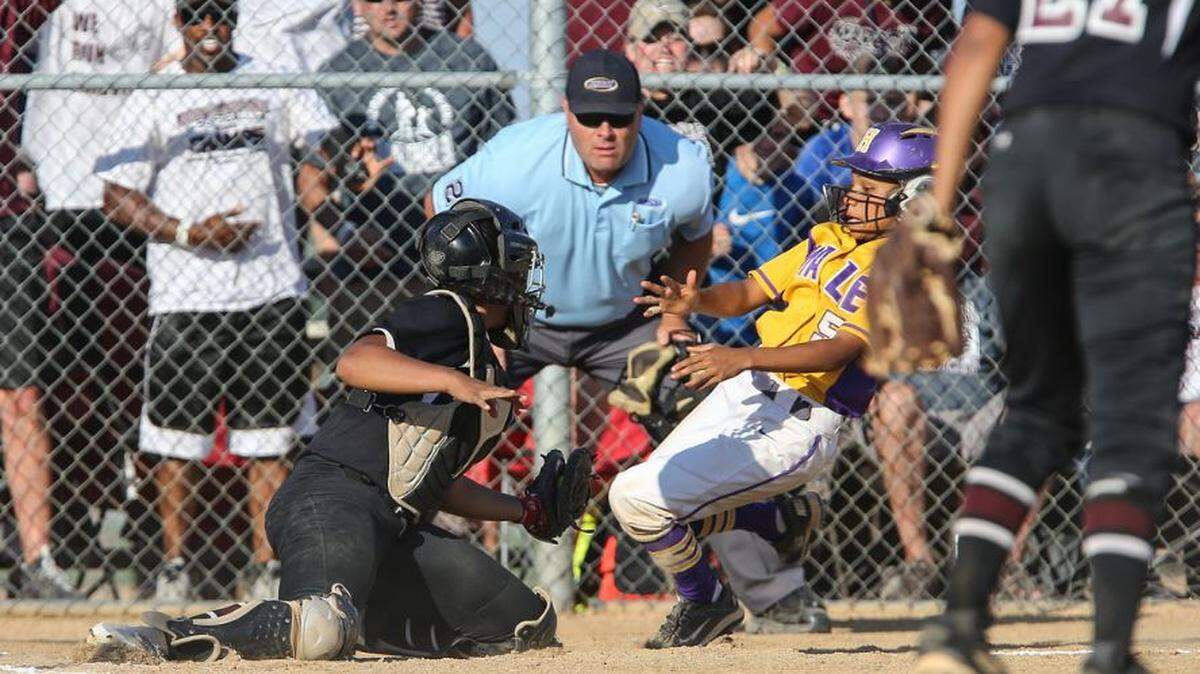
Practices have begun for fall high school sports around Kentucky, and we’re only a few weeks away from the 2022-23 school year getting underway.
It’s an exciting time for athletes and coaches as rosters take shape and summer dissolves toward autumn.
When the games begin, another group is essential to setting the stage for competition: Kentucky’s high school sports referees and officials.
The Herald-Leader spoke this summer with four individuals honored by the KHSAA as “Outstanding Official of the Year” for their performance during 2021-22. We asked them about how they got into officiating, how they stay on top of their game and other issues surrounding sports officiating.
Randy Chapman (softball), Toby Durham (football), James Johns (basketball) and Ron Rawe (baseball) spoke to us about their experiences. At the end of this story, you can see the full list of honorees from last year. (Answers to these questions have been edited for clarity and brevity).
How did you get started in officiating high school sports?
Chapman (softball): When my daughters were really young, I coached them in T-ball. And then they got into competitive cheerleading. And I realized three things. One, I can’t coach competitive cheerleading. Two, I wanted to stay involved in sports. And, I needed a way to pay for competitive cheerleading.
Durham (football): I moved back to town from college and a guy needed help. He asked me to start — that was 29 years ago. I played football and he knew that I knew the sport. And I just jumped right in.
Johns (basketball): My brother-in-law was officiating for a couple of years before I started. He showed me how much fun it is and how it keeps you around the game.
Rawe (baseball): When my son got into high school in Northern Kentucky, I knew the coaches on his freshman and JV squad pretty well and they said, “We’ve seen you umpire. You need to get registered with the state because you’re better than half of the guys that come here anyway.” So that’s kind of how it happened. And I guess the rest is history. I’ve enjoyed it ever since, and here we are 21 years later.
What type of training did you initially receive and what training do you get now?
Chapman (softball): About two months before the season starts, we’ll start training. We really try to mentor new officials and we all learn something when we go out there. We might have some scrimmages and we’ll go out and take turns working those and getting senior officials some work in that. You just try to help the new officials feel more comfortable and learn from officiating.
Durham (football): Our training games got canceled. I got thrown into the fire and had to figure it out on the field. Now, we try to have meetings and some film sessions to go over plays and on-field clinics. But I know that sometimes people just get thrown into game situations. And that’s not what you want, but it happens sometimes.
Johns (basketball): When I joined the association for Louisville high school officials, I went through that new officials training program. Based on your progression during the camp, they would decide whether or not to accept you into the association to do high school basketball or ask you to come back the next year. Now, I do some training in the summer with high school and AAU.
Rawe (baseball): We do a lot of classroom training, like reviewing rules in slides. There’s also a fair amount of field training that we try to do prior to the season.
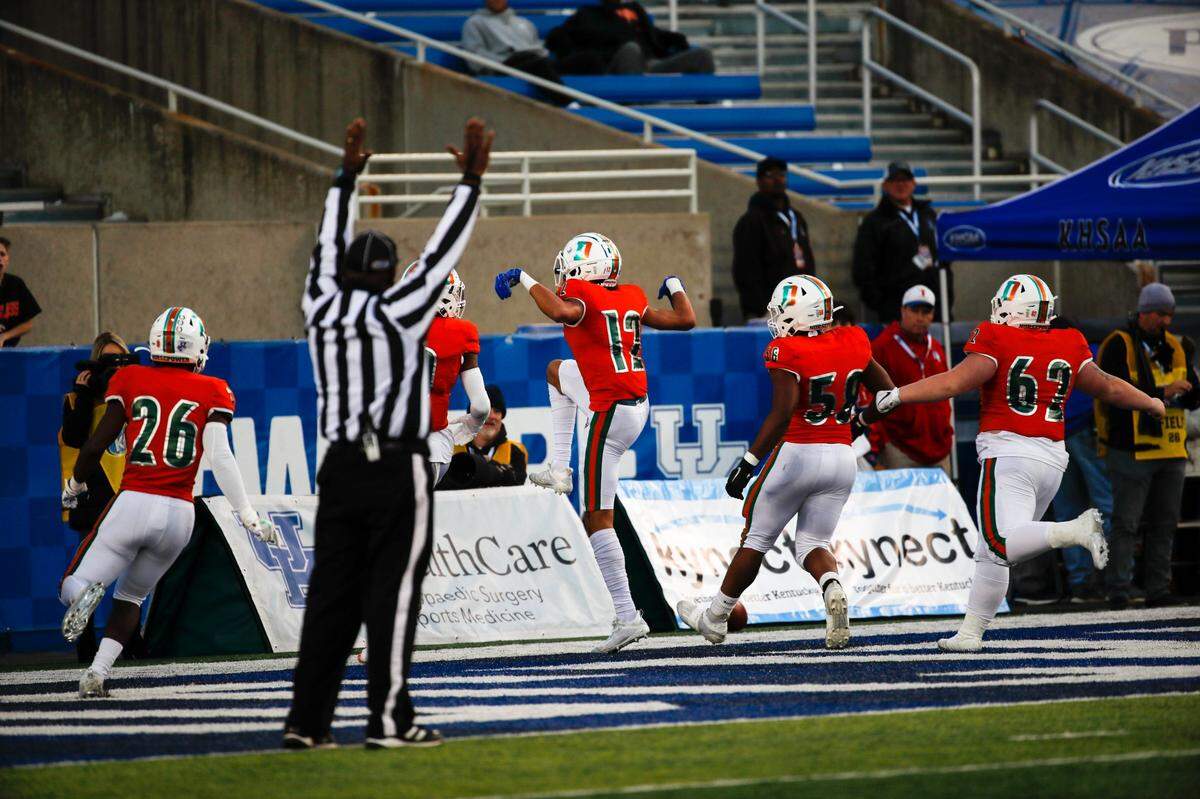
What do you like and dislike the most about officiating high school sports?
Chapman (softball): I just love being around the kids and seeing kids catch their first ball or have their first hit, things like that. It just makes it exciting.
Durham (football): The guys I referee with are family. I’ve watched their families grow up and have children. You get to see kids progress through little league sports and high school; you get to watch them grow and then stay in touch with them. I have players and coaches that I see out in the community all the time and you talk about memories of games and good times.
Johns (basketball): What I like the most is that officiating keeps me around the game of basketball and the camaraderie that I have with my fellow officials. The thing I like about it the least, unfortunately, is the crowd: the lack of crowd control, the lack of player control and the lack of coach control.
Rawe (baseball): It’s a way for me to really stay connected to the game. I just enjoy it. I enjoy being part of the game. I enjoy the camaraderie of our local high school association. And all the fellows that we have in it are just some really good guys. We like to call it a brotherhood, and so I really enjoy that.
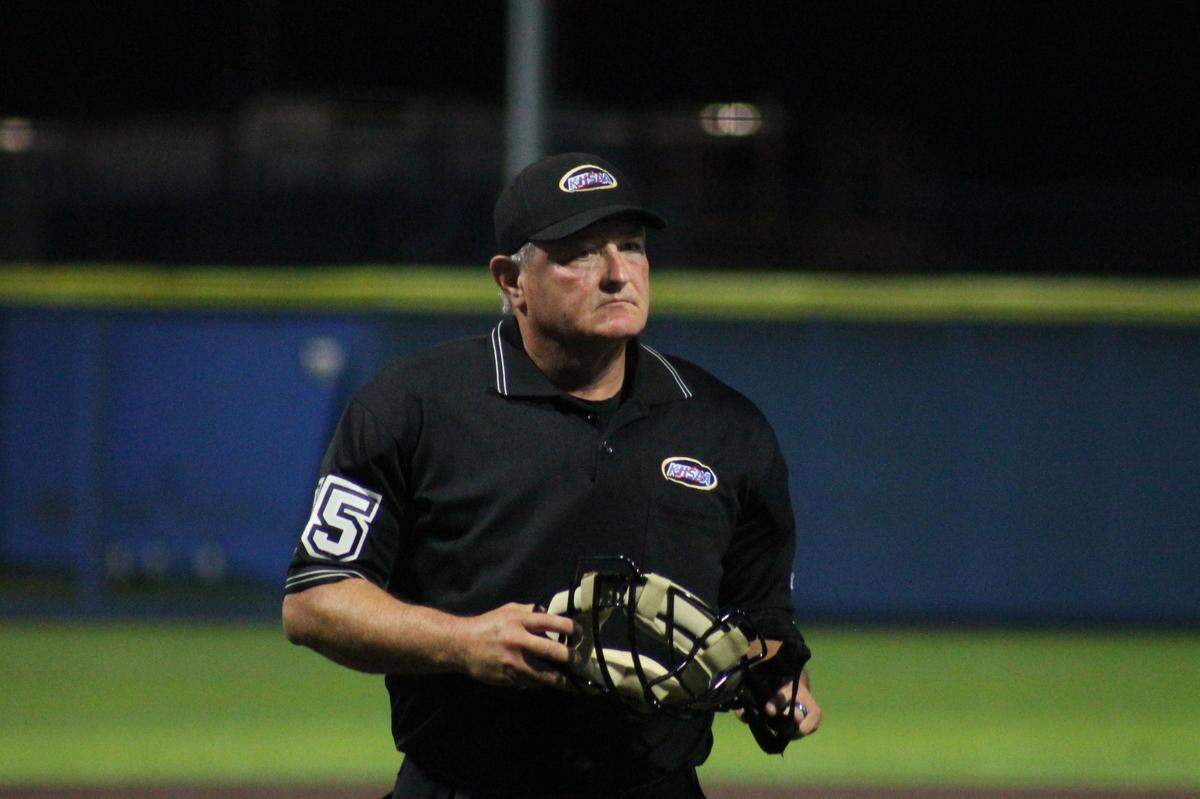
Amid all the publicized problems with overbearing parents, coaches and fans driving away referees, what keeps you in it?
Chapman (softball): It’s just seeing the looks on kids’ faces when they succeed or just seeing a kid picking somebody up. Or when someone makes an error and you see another kid giving him a pat on the back and saying to get the next one. Things that teach life lessons are the best things about sports.
Durham (football): Anytime you get into a game and you care about it, sometimes you let that emotion take over. When I’m out there, I just tune it out. I know that when people care and get passionate, sometimes they act to do things and say things that they normally wouldn’t say. It’s just the passion of sports. When coaches yell at me, I know it’s because they care.
Johns (basketball): I had some goals for myself that I had not reached until recently, but there is also camaraderie with my fellow officials.
Rawe (baseball): These kids care about their school and they care about winning and trying to get to the tournaments. That’s what I really like about that. I think the kids just have more of a passion for the game in high school than they do their summer balls or other leagues.
What would be your advice to someone interested in officiating high school sports?
Chapman (softball): We’re all looking to get more referees and more umpires. The game needs more so those kids can play. If you’re thinking about it, then go to a game that’s close by. Catch one of the officials and tell them that you’d like to get involved.
Durham (football): If you’re in it for the money, it’s probably not going to work out for you. But if it’s something that you enjoy being around and you can make a little spending money, then it can help out.
Johns (basketball): Be able to get over bad plays, bad players, bad coaches or bad fan interaction. Get over that quickly. Otherwise, you’re not gonna stay in it very long.
Rawe (baseball): Absorb all the knowledge you can and then just continue to work to get better at it. Just go out and enjoy it. Basically, it’s not as bad as people seem to think it is.
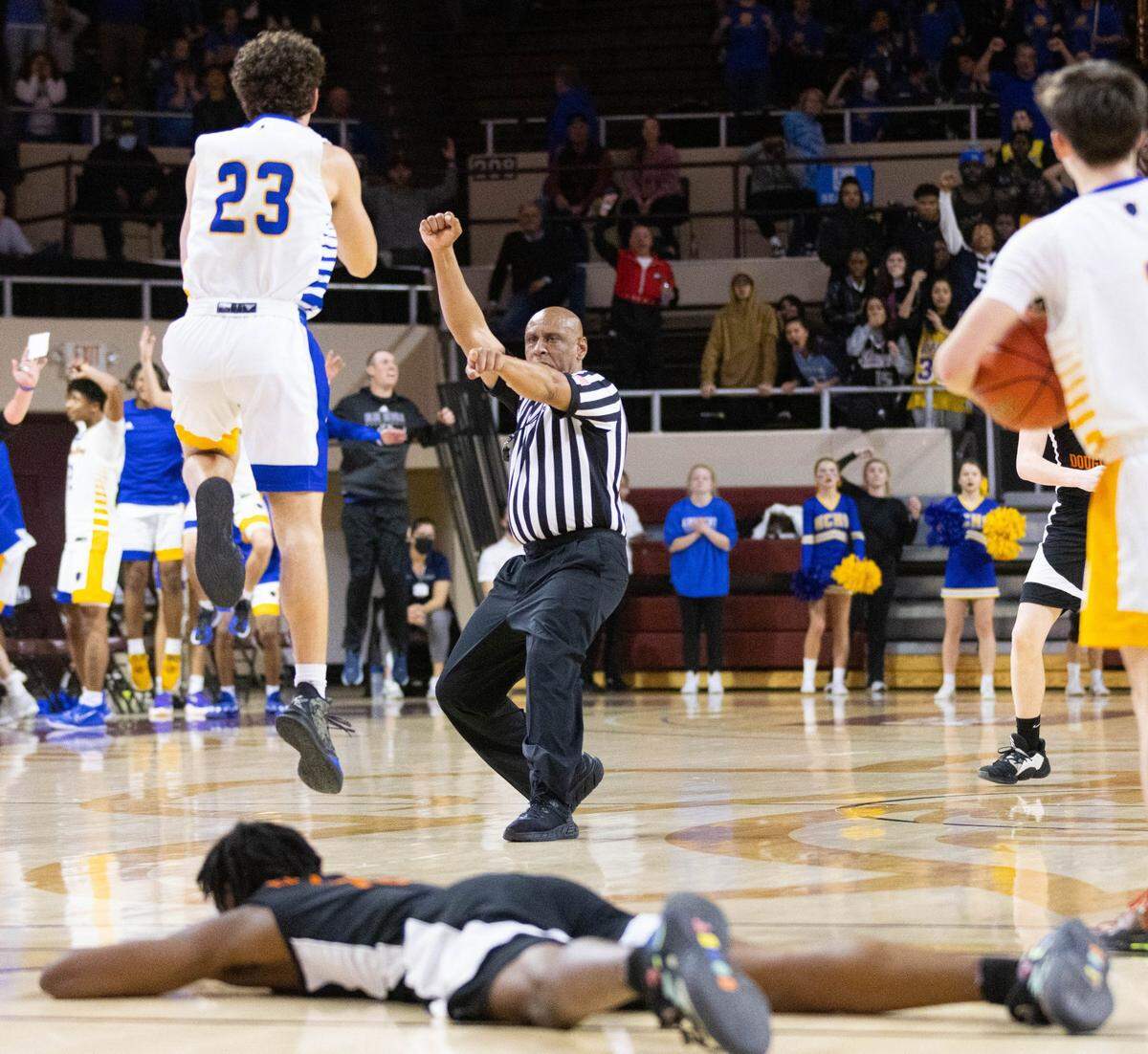
‘Outstanding Officials of the Year’
Each year, the Kentucky High School Athletic Association honors the top performers in the 10 sports in which it licenses officials. Finalists in each sport are selected through a combination of not only on-field performance but local association activity and leadership, training efforts and the mentoring of newer officials.
Winners are selected following consultation with local assigning secretaries, veteran officials’ observers, coaches throughout the state and additional staff review.
Here are the KHSAA’s 10 “Outstanding Officials of the Year” for 2021-22:
Baseball: Ron Rawe (Newport)
Basketball: James Johns (Louisville)
Field hockey: Deborah Hartlage (Louisville)
Football: Toby Durham (Somerset)
Soccer: Gustavo Turmero (Madisonville)
Softball: Randy Chapman (Owensboro)
Swimming and diving: Joseph Phillips (Russell Springs)
Track and field: Sadie Gambrel (Danville)
Volleyball: Jennifer Craven (Louisville)
Wrestling: Eric Friddle (Versailles)
Assigner of the Year: Paul Lewis (Ashland)