Kentucky Horse Racing Commission makes changes to improve transparency
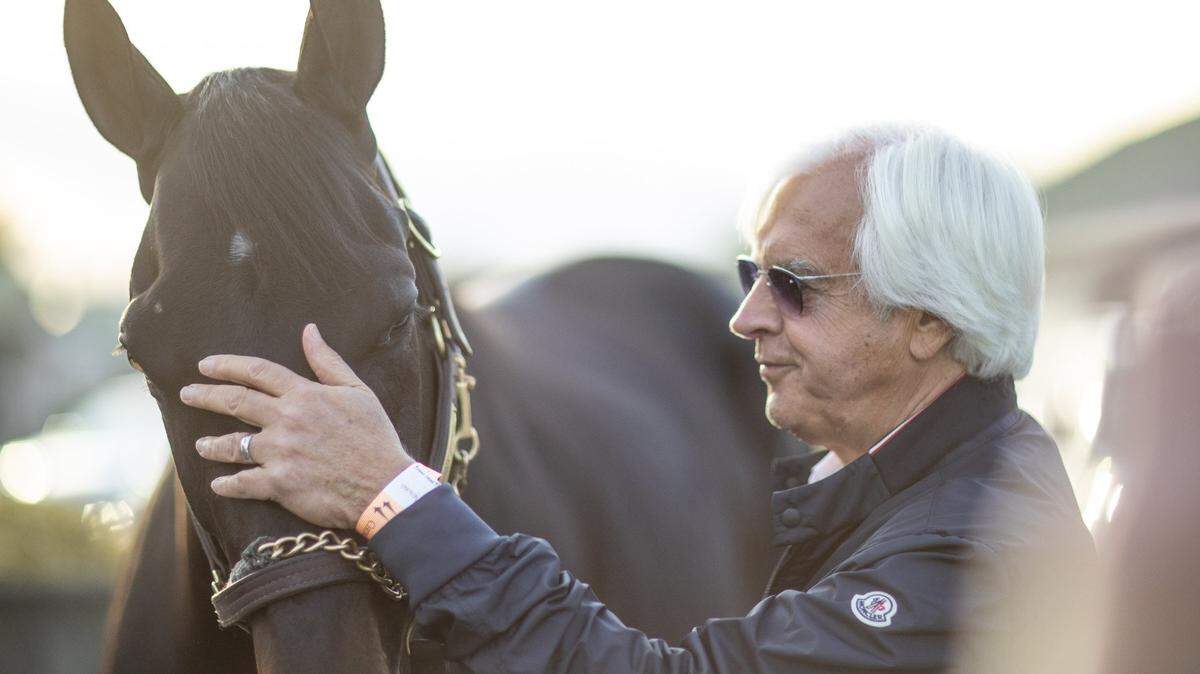
The Kentucky Horse Racing Commission voted Tuesday to change how it communicates with the public on sensitive issues in an effort to improve transparency.
“Commission members all agree that to modernize the sport of horse racing and to maintain the integrity of the sport we all love, we must be more clear, transparent, and open about our investigations. Today, the Kentucky Horse Racing Commission made good on its promise to improve transparency with the approval of these amendments. This action moves us in the right direction,” said KHRC Chairman Jonathan Rabinowitz.
According to the KHRC, the changes include:
▪ Previously, an alleged regulatory violation was confidential unless disclosed by the racing participant. Now, the KHRC may disclose the alleged conduct, or the alleged amount and type of medication, drug, or substance administered that gave rise to the alleged regulatory violation following the required notice to the racing participant.
▪ Previously, hearings were closed to the public. Now, the public may attend stewards’ or judges’ hearings unless proceedings are required by law to be private.
▪ Previously, a racing participant’s identity was confidential unless disclosed by the racing participant themselves. Now, the KHRC may disclose the identity of a racing participant who is accused of an alleged regulatory violation following the required notice.
▪ Previously, the date of a stewards’ hearing was confidential. Now, the commission or its executive director may disclose the date of a stewards’ hearing.
▪ Previously, the time frame for shipping a split sample was not defined. Now, an owner or trainer requesting a split sample shall select an approved laboratory for split analysis within five days of notification of the available laboratories and the split sample shall be shipped within seven days to the selected laboratory.
▪ Previously, there was no statutory time frame for a stewards’ hearing. Now, a stewards’ hearing shall be conducted no more than 60 days after either a racing participant is notified of a violation, or a participant receives a split sample result. The stewards can extend beyond 60 days in special circumstances, as determined by the stewards.
▪ Regulation revisions must be heard for public comment and pass the legislature’s Administrative Regulation Review subcommittee and the Licensing and Occupations committee before being finalized. The process is expected to be completed in early 2023.
At a February meeting of the KHRC, Rabinowitz pledged better transparency.
“This commission is committed to transparency, as well as the best interest of the horsemen, associations, and the racing industry as a whole,” he said. “As a result, we’ve begun the process of making significant changes to 810 KAR 9:010 in order to ensure that this commission remains an industry leader in transparent government. It is of the utmost importance to this commission that we get this reg changed.”
The new regulations received unanimous approval.
“By improving transparency in our processes, we have an opportunity to educate racing fans about our rules, regulations, and how we operate. The more the public knows and understands, the better for horse racing,” said KHRC Executive Director Marc Guilfoil.
Recently, the KHRC disqualified 2021 Kentucky Derby winner Medina Spirit over a positive test for a substance banned on race days and suspended trainer Bob Baffert 90 days. That suspension began April 2.
Under a two-year private property ban by Churchill Downs, Baffert is not allowed to train a horse in the Kentucky Derby on May 7. As well, both Pimlico Race Course and New York Racing Association are not allowing Baffert to participate in Triple Crown races, the Preakness at Pimlico or the Belmont Stakes at Belmont Park.