Starting July 1, a long-awaited change is coming to horse racing. One for the better.
This year’s Triple Crown wrapped up Saturday with the running of the Belmont Stakes in New York, but something much more vital to the horse racing industry is less than three weeks away.
The Horseracing Safety and Integrity Authority, HISA for short, is set to take effect on July 1 when racetrack safety standards begin. That will be followed by the anti-doping and medication control component on Jan. 1, 2023.
Combined the two are a monumental step forward for an industry finally under one governing body thanks to the HISA act backed by Mitch McConnell, R-Ky., and Andy Barr, R-Ky., and signed into law on Dec. 27, 2020.
Finally, thankfully, the sport will no longer be undercut by competing jurisdictions with different rules and regulations. No longer will there be confusion brought about by inconsistent guidelines and messaging.
Lisa Lazarus is the new person in charge. An attorney from New York, HISA’s chief executive officer boasts an impressive international sports background, most recently as chief counsel for the Fédération Equestre Internationale and before that a decade with the NFL where she was involved with strategy and development as well as collective bargaining negotiations.
As part of a group for a let’s-get-acquainted dinner with Lazarus during Kentucky Derby week, I found her realistic about the tough task at hand. You don’t change an entire industry overnight, after all.
And, as you might expect, there has been pushback. Racing has been entrenched in its own splintered ways for so long, certain factions were not about to acquiesce without a fight. Lawsuits were filed in both Texas and Kentucky challenging HISA’s constitutionality. Both, including the one before Judge Joseph Hood in Lexington, failed.
Not to be deterred, the Texas Horse Racing Commission is threatening to shut down the sport in its state if its needs are not met. The National Horsemen’s Benevolent and Protective Association (NHBPA), the trade association of trainers and owners, has asked that new rules be pushed back for 18-24 months. Longtime Maryland trainer Dale Capuano recently voiced his objections, saying trainers are being forced to sign onto something when they are “not really aware of what they’re agreeing to.”
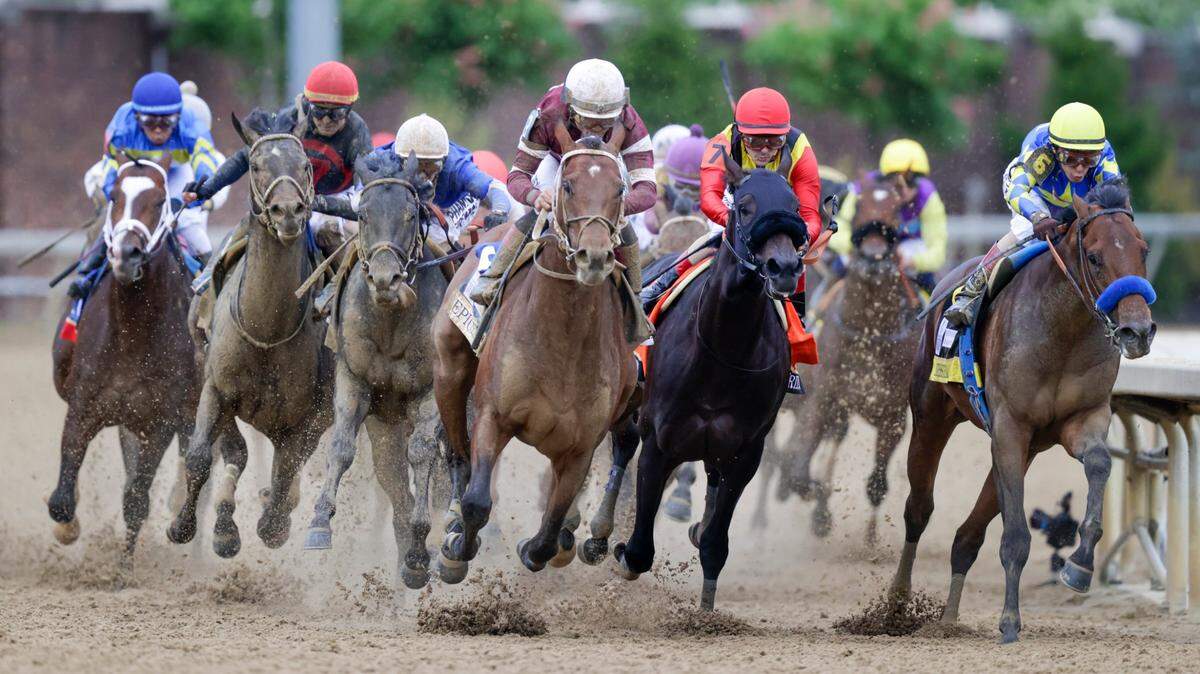
Meanwhile, the process marches on. Horses and connections — including trainers, jockeys and owners — must be registered with HISA by July 1. If the deadline is not met, horses could be scratched from races. The registrations will result in daily records of a horse’s conditioning and medications for review.
The body is also building a database of detailed injury reports on horses and jockeys. It is also in the process of reaching agreements with state racing commissions, who will enforce HISA rules. For example, accreditation will be required for tracks wanting to participate in interstate simulcasting.
HISA recently issued a revised draft of its anti-doping and medication protocols in association with Drug Free Sport International, which will administer and oversee testing. It’s in the process of taking public comment on the protocol before submission to the Federal Trade Commission for approval before the Jan. 1 deadline.
HISA promises tougher punishments for drug violations, more robust testing and a more transparent process. For example, just the failure to produce a horse for drug testing is a presumptive and immediate two-year violation. Crop (whip) violations by jockeys can result in the loss of purse money from the race.
Lazarus has indicated she wants to work with all parties about their concerns, but the bottom line is HISA is now federal law. If connections don’t agree with the law, they don’t have to participate. Pure and simple. That’s a needed point of clarity in a sport rife with confusion and conflicts of interest.
The goal: Restore public confidence after a rough three-year period that began with the shocking number of equine fatalities (42) at Santa Anita in 2019, the two-year Kentucky Derby ban of the sport’s most famous trainer (Bob Baffert) and the upcoming January 2023 trial of another prominent trainer (Jason Servis) for alleged egregious performance-enhancing drug violations.
HISA offers the sport its best chance to get its act together. To survive, racing has to make it work.