Hey, NCAA Selection Committee: It’s time to stand up for ‘the little guys’
The “bracketologists” say the bubble for the 2019 men’s NCAA basketball tournament is softer than a kitten’s fur.
Major-conference mediocrity fills the bracket lines in the most recent NCAA tourney projections offered by ESPN.com’s Joe Lunardi.
Ohio State boasts a 7-9 Big Ten record. Lunardi has the Buckeyes as a nine seed. Minnesota is 7-10 in the Big Ten, yet Lunardi sees the Golden Gophers as a 12 seed in the First Four.
Oklahoma is 5-9 and TCU 6-8 in the Big 12. Lunardi has both as 10 seeds.
Seton Hall is 7-8 in the Big East, Butler is 6-8. Both the Pirates (11 seed) and Bulldogs (12 seed in the First Four) are projected to be in the Grande Danza.
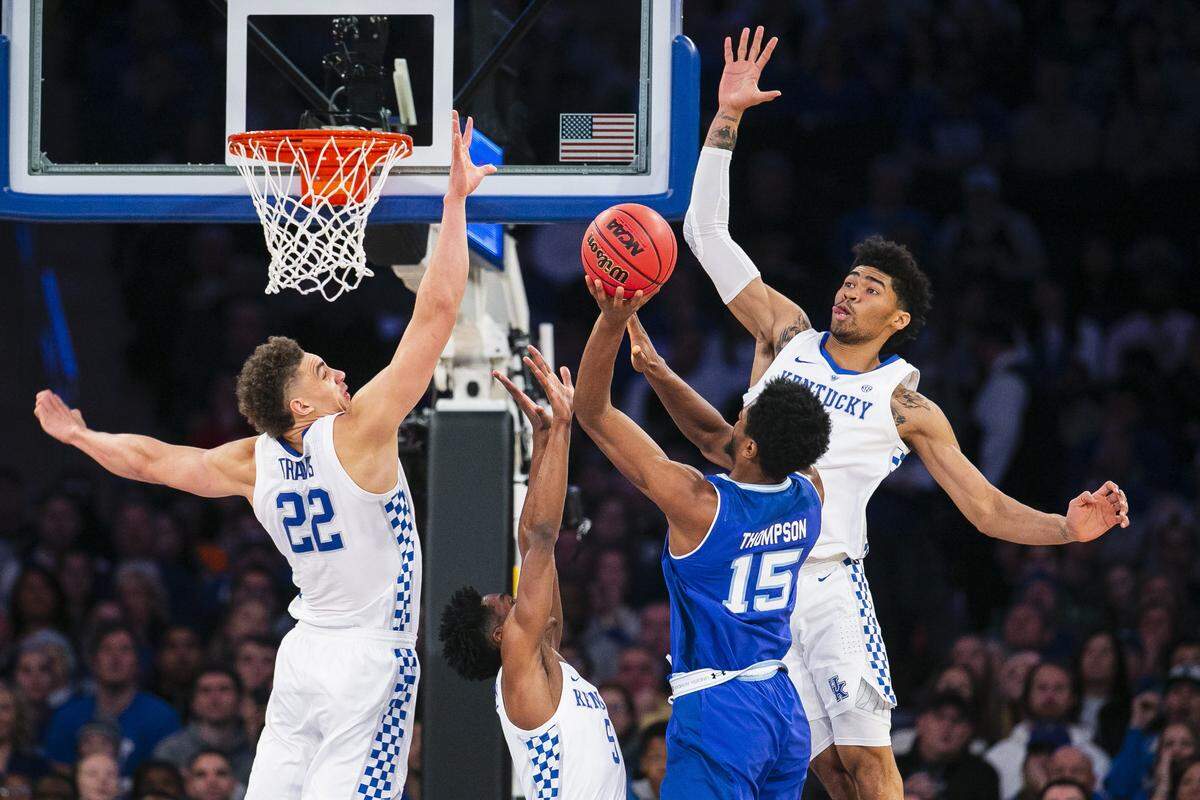
Auburn (7-7 in the SEC, but a projected eight seed), Texas (7-7 in the Big 12, nine seed) and Alabama (7-7 SEC, a 12 seed in the First Four) are also teams that currently lack winning league marks that are predicted to make the NCAA Tournament.
Fact is, in choosing at-large entrants in recent years, the NCAA Tournament Selection Committee has uniformly favored teams from the power conferences with middling records over those from less visible leagues that have produced outstanding seasons.
Last year, 31 of the 36 at-large bids came from the six major conferences — the football power five plus the Big East. In 2017, that number was 32 of 36.
Given that track record, what I’m about to say is likely the written equivalent of spitting into the wind. Nevertheless, here goes:
Too much major-conference mediocrity makes a mockery out of what March Madness should be.
When it comes to at-large bids, the NCAA Tournament Selection Committee should empower teams from small conferences that have produced season-long excellence rather than reward programs from the glamor leagues that have drudged through ordinary years.
This season in particular, there seems an unusual number of teams from leagues “down the food chain” that have had outstanding seasons. Yet, if recent selection form holds, almost all of them will be squeezed out of an NCAA invitation if they cannot win their league tournaments.
Of the most local interest, the Ohio Valley Conference boasts Belmont (23-4, 14-2 OVC) and Murray State (23-4, 14-2).
Coach Rick Byrd’s Bruins have a road win at UCLA and beat Murray head-to-head on the Racers’ home court. Murray State has Ja Morant, the most buzzed-about player in college hoops this season in the non-Zion Williamson division.
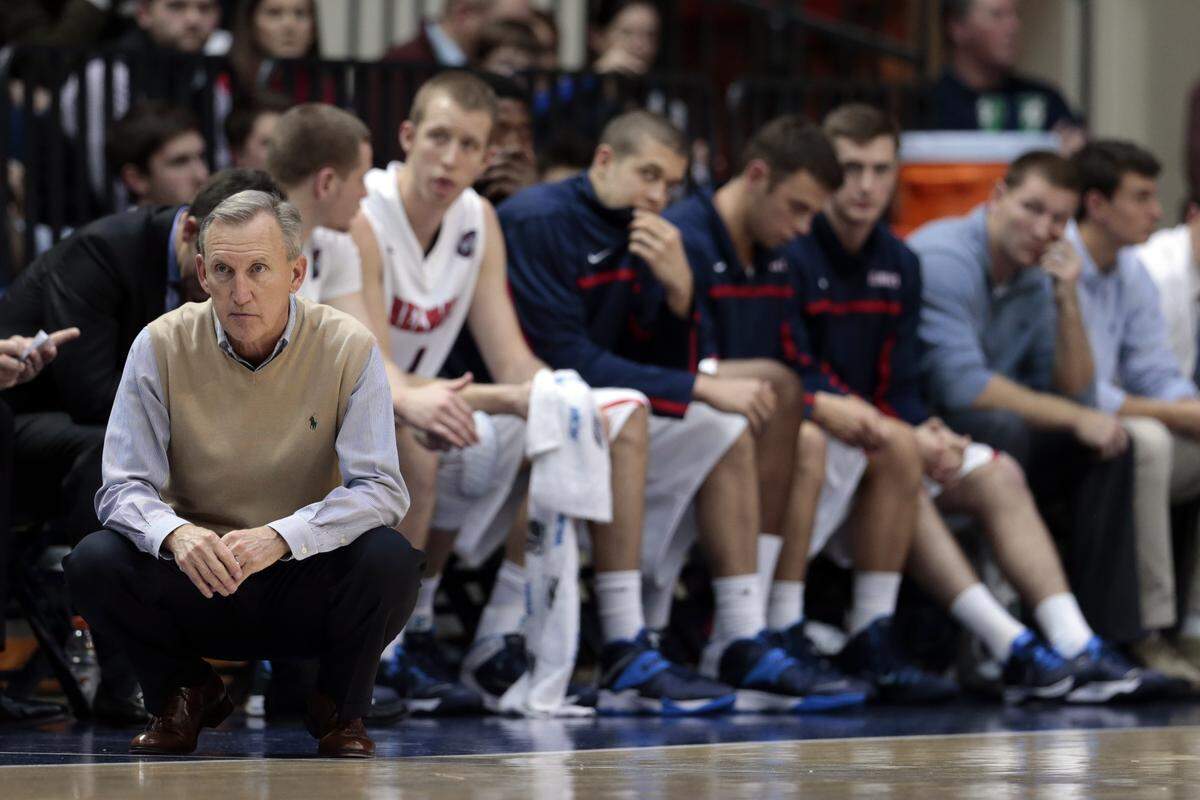
Either Belmont or Murray State — or both — would bring more value to the NCAA Tournament as an at-large choice than major-conference teams with losing league records.
Alas, in a year when the OVC also has quality teams in Austin Peay (21-8, 13-3) and Jacksonville State (21-8, 13-3), there’s no certainty that either Belmont or Murray State will earn the league’s automatic bid by winning the conference tourney.
Those who advocate for the middling teams from the major leagues always point out that even so-so squads from those conferences tend to have better statistical profiles and more “good” wins than even the most-successful teams from leagues farther down the conference food chain.
To my way of thinking, teams ought to be evaluated based on what quality of seasons they have produced against programs of similar resources.
Teams that have compiled excellent years should get the benefit of doubt over teams that produced ordinary campaigns in high-visibility leagues.
Of teams in traditional one-bid leagues, only the Mid-American Conference’s Buffalo (24-3) and the Southern Conference’s Wofford (24-4) have high enough NET rankings as of Monday — Buffalo at No. 16, Wofford at No. 19 — to feel they would have a shot at an NCAA at-large bid if they fail to win their league tournament crown.
That is too bad because this season has produced ample evidence that “the little guys” can compete with middling major-conference foes.
Buffalo — which beat Arizona and played Kentucky in last year’s NCAA tourney — has road wins this season at West Virginia and Syracuse.
Wofford has a victory at South Carolina.
Furman (22-6, 11-5), which stands fourth in the Southern Conference behind Wofford, UNC Greensboro (24-5, 13-3) and East Tennessee State (22-8, 12-5), won at Villanova.
Lipscomb (21-6, 12-2), locked in a duel with Liberty (23-6, 12-2) for Atlantic Sun Conference superiority, has a win at TCU. For its part, Liberty has a victory over UCLA.
Alas, don’t hold your breath on the selection committee saying no to college basketball’s richest and most powerful leagues.
The College Football Playoff is not the only championship bracket operating like a cartel.
If it is ever going to happen, however, this is the season when the committee should say no to rampant major-conference mediocrity and yes to more of the teams far from college basketball’s brightest lights that have produced stellar seasons.