Jeff Brohm has a smart plan, but a spring college football season is still a bad idea
Those of us in Kentucky who have followed Jeff Brohm’s laudatory football career as player, assistant coach and head man have long known:
Brohm is a sharp guy.
So it was not shocking Thursday when Brohm did something that has eluded most of the NCAA college football hierarchy throughout this year of disruption caused by the coronavirus.
The Purdue head coach laid out a smart plan for how to play two truncated college football seasons during the 2021 calendar year.
On Tuesday, the Big Ten announced that it would not have a football season this fall due to concerns for participant health related to the coronavirus. The Pac-12 made the same call.
In response, Brohm produced a framework to get the Purdue players their season back.
The “Brohm Plan” proposes:
▪ An eight-game regular season for the spring semester of the 2020-21 school year. The season would begin Feb. 27 and finish April 17 with no bye week.
▪ After two weeks off, postseason play — Brohm envisions either a four- or six-team College Football Playoff after both of the 2021 seasons — would begin. It ends May 15.
▪ A shortened 2021 fall regular season that runs 10 games and begins Oct. 2.
▪ The Brohm Plan even contains a means to work out television conflicts when football and college basketball overlap. The pigskin games would be on Saturdays, with the hoops contests relegated to Sundays.
The main objection from those of us who think a spring football season is unworkable is the lack of physical recovery time for players being asked to play two seasons in such a short time frame.
Brohm acknowledges and addresses that concern by laying out a schedule that substantially reduces the amount of full-contact practices in pads.
According to Brohm, teams that do not make the postseason would go from from 114 full-contact practices in a normal two college football seasons to 52 under his proposal.
The teams that do earn a postseason bid would go from 144 contact practices to 64.
Brohm also proposes giving players three full months off from mandatory college football activities over the summer in between the two 2021 seasons.
Bottom line: The Brohm Plan is a cogent attempt to devise a way to play the imperiled 2020 football season next spring.
Nevertheless, for various reasons, a spring football season remains a bad idea:
1.) Unless a COVID-19 vaccine is developed, there’s no certainty that the threat from the coronavirus will be less next February than it is right now. In fact, in the cold-weather month when Brohm’s spring season starts, the situation could be worse.
2.) Even with Brohm’s proposed reductions in the number of practices in pads, you would still be requiring college-aged players to play in at least 18 football games in one calendar year.
That seems a dangerous ask in terms of long-term health implications.
3.) A player who suffered a season-ending injury — think back to Kentucky starting quarterback Terry Wilson’s torn patellar tendon in last season’s second game — during the spring season would not have the time necessary to rehabilitate and play in the fall.
That means one major injury could cost a player two seasons.
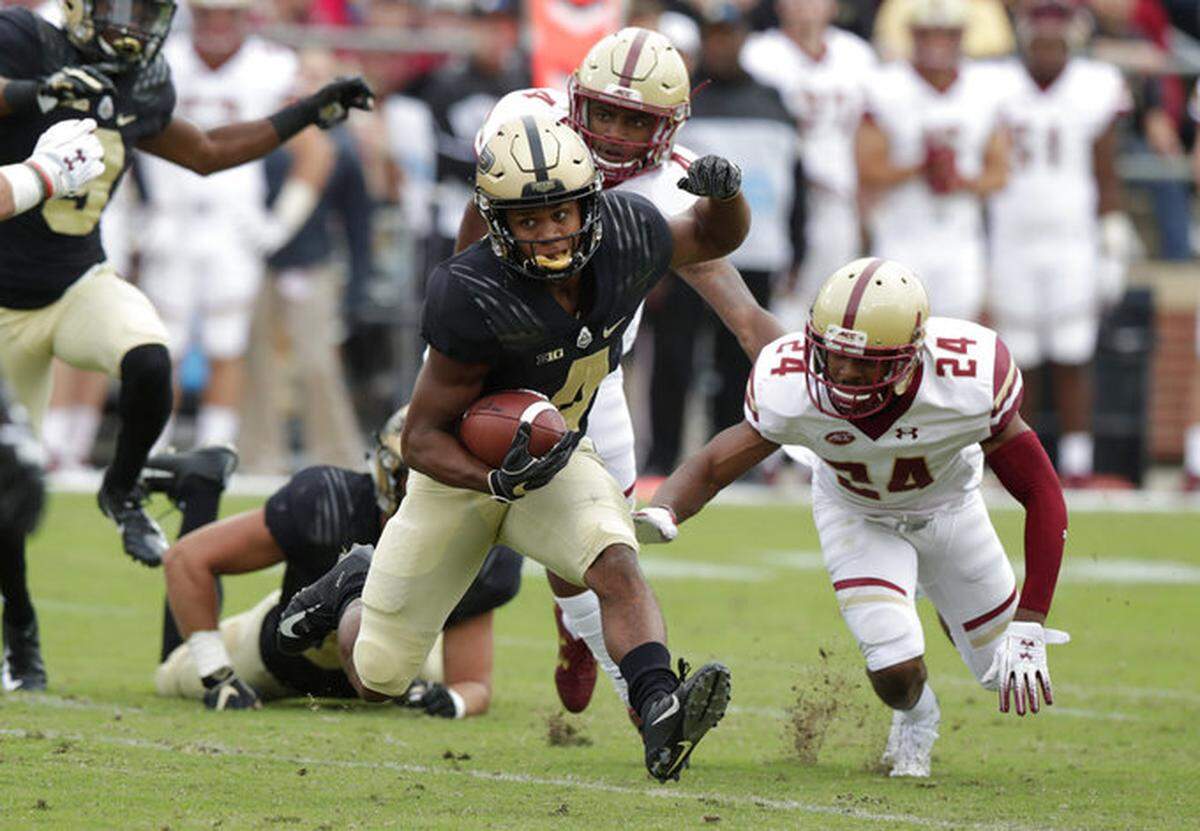
4.) Even before major conferences started canceling their 2020 fall seasons, NFL Draft-eligible standouts such as Virginia Tech cornerback Caleb Farley and Purdue wideout and ex-Trinity High School star Rondale Moore had begun opting out of the 2020 season to prepare for the 2021 draft.
If you tried to play two college football seasons in one year, you could have the star players from two different classes of draft-eligible players sitting out the respective seasons to protect their professional futures.
Having followed Brohm from his time as a star quarterback for Trinity and then the University of Louisville through his ultra-successful head coaching run at Western Kentucky, it’s easy to believe his plan comes from a sincere place of looking for a way his players can play the game they love.
Yet it’s hard not to think that much of the talk of a spring football season is more about damage control and wishful thinking than developing a serious option.
Whatever the health and legal merits of the early decisions by the Big Ten and the Pac-12 not to play college football this fall, the short-term p.r. edge rests with the other three Power Five conferences. The ACC, Big 12 and SEC are at least making a show of fighting for a season for their players and fans.
Ultimately, too much medical uncertainty — and too many high-powered trial attorneys poised to pounce on any COVID-related college football malady — will probably lead all conferences to shut down their seasons this fall.
Jeff Brohm’s estimable efforts notwithstanding, however, a spring season is not a good solution to a lost fall of college football.