The pandemic disrupted so much, but these Kentucky athletes refused to be shut down
When the coronavirus shut down the University of Kentucky campus last March, it sent UK students on unexpected trips home. Wildcats football standout Josh Ali found himself in his native Florida facing an unanticipated challenge:
How do you maintain the acute-level of physical conditioning required of a Southeastern Conference wide receiver when you are over 1,000 miles from your campus’s athletics training facilities and a global pandemic is rapidly closing private workout venues?
So Ali improvised. He turned his family’s garage into a weight room. He made the basement of the family home into his own workout facility.
As UK’s strength and conditioning coaches sent him weekly workout schedules, “I go downstairs and do the workout that I was given every day,” Ali said in April. “I get that in every day. I take Wednesdays off.”
Since the Great Depression in the 1930s, there may never have been a more challenging moment to be a competitive athlete in the U.S. than the trying year we have just concluded.
Yet amid the chaos as the COVID-19 pandemic closed schools, gymnasiums, weight rooms, workout facilities and even city parks, one thing always seemed certain to me:
Whatever obstacles were placed in their paths, athletes would somehow find a way to train.
Since the pandemic gripped the United States in March, I have asked every athlete I interviewed how they worked out and/or practiced amid the global pandemic and the subsequent shutdowns.
From flipping tires as strength training to setting up a batting cage in one’s house, the athletes got creative.
Owensboro High School star quarterback Gavin Wimsatt, on track to be one of the most-recruited players in the country in the class of 2022, worked with personal trainers three days a week.
“I have a quarterback trainer and a speed and agility trainer,” Wimsatt said last summer. “Monday, Wednesday and Friday, I train with them. Tuesdays and Thursdays, I find some (high school teammates) and I throw.”
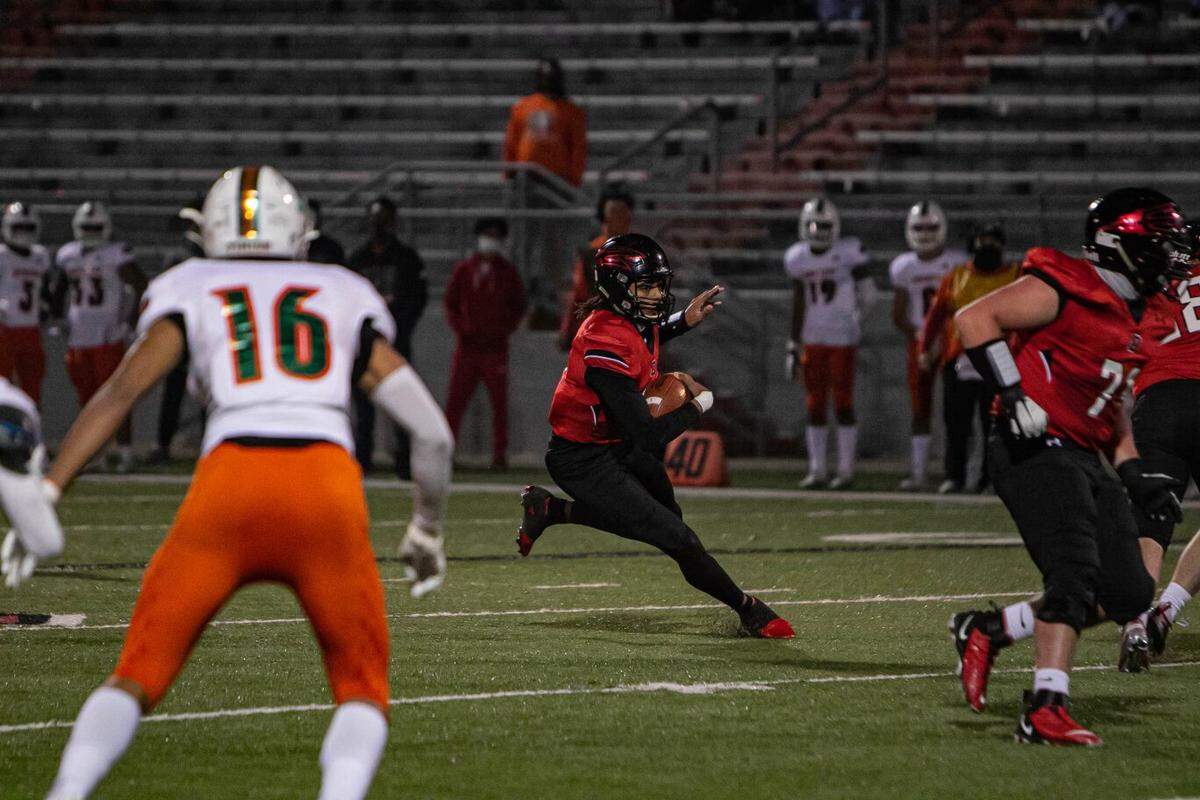
South Warren star quarterback Caden Veltkamp, another class of 2022 in-state QB holding a UK scholarship offer, set up a weight room at home. It helped that his father, Jason, is the Western Kentucky University football program’s director of strength and conditioning.
“I would lift here,” Caden Veltkamp says of his house. “A couple of my teammates would come over. Then we would go to the Boys and Girls Club — the only place not kicking us out — and there would be three or four of us just running routes, running through drills. For however long everything was shut down, we really went to work.”
With no weight room available, star class of 2022 Johnson Central offensive lineman Grant Bingham set up an outdoors training regimen.
“I would go outside and run,” Bingham says. “I would hit a tire with a (sledge)hammer. And I’d just flip tires.”
Once school gymnasiums were made off limits in the spring, basketball players faced vexing challenges.
Early in the pandemic and before ex-Henry Clay star Marques Warrick left home to start his college career at Northern Kentucky, he was keeping his hoops skills sharp playing in pickup games in Lexington’s city parks.
“Then they shut down the parks, and I didn’t have access to a gym,” Warrick said last spring. “(After that), I couldn’t really work on my (basketball) skills. But I knew I needed to get stronger for college, and I did have hand weights at home. So I just did that and other type of exercises at home to build strength.”
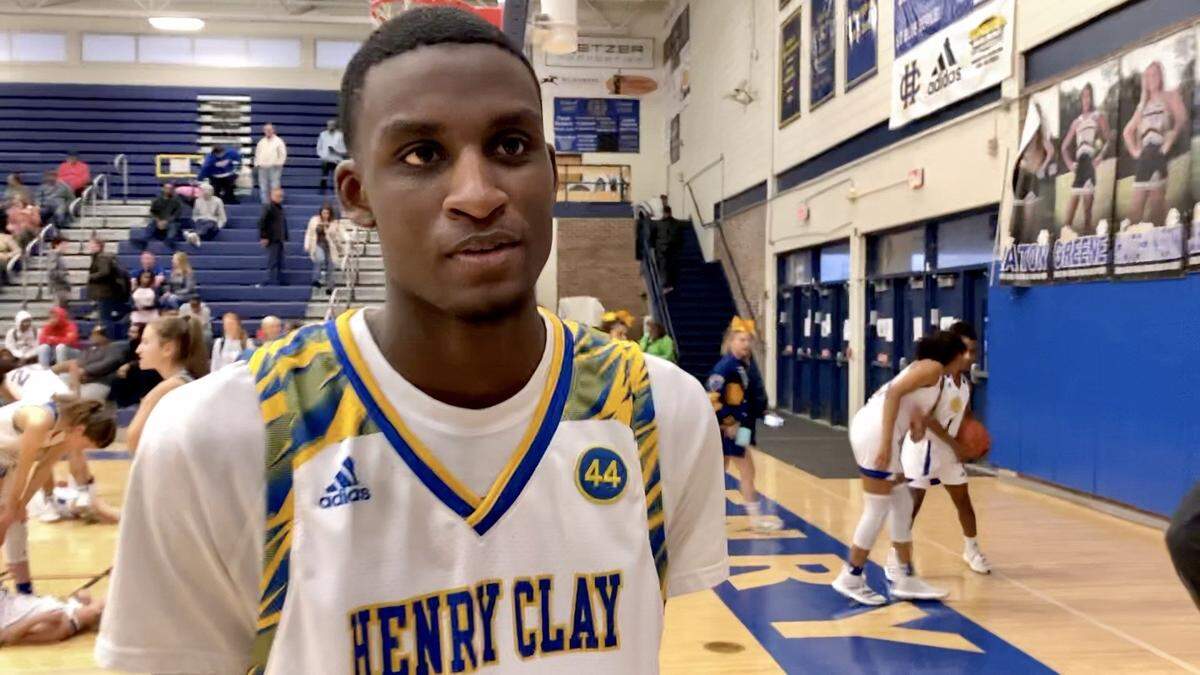
Western Kentucky University standout guard Taveion Hollingsworth, the former Paul Laurence Dunbar star, was here in Lexington for months after the coronavirus shut down WKU’s campus last spring.
“There was a little park near my house and I guess they forgot to take the rims (off the goals in) that one,” Hollingworth said last month. “Me and my little brother would go down there and shoot every couple of days.”
Denied access to the college-level conditioning resources to which he was accustomed, Hollingsworth said he at least got in some weight training.
“My high school coach, he had a little weight room in his basement,” Hollingsworth says. “That helped me out a little bit.”
Once the 2020 spring sports seasons were canceled, Lafayette High School softball’s Rylee Grantz — trying to return from a multi-year ordeal with a hard-to-diagnose shoulder injury — was determined to keep working to get her hitting stroke back.
She had a “batting cage” set up in an upstairs room in her family’s home.
“We had, like, this wooden room upstairs,” Grantz said in the spring. “An old high school coach gave me a huge net. We went to Home Depot and got some screws and just screwed that net into the wall. I’ve been hitting up there ever since.”
In the Chattanooga, Tenn., area, UK women’s basketball players Rhyne Howard, Jazmine Massengill and Treasure Hunt heard through an AAU coach that a group of WNBA players was organizing pickup games in Atlanta. The pros were trying to get back in playing shape before the WNBA resumed its season in a COVID-19-containment bubble.
That’s how the trio of UK players ended up sharpening their games against WNBA players such as Tiffany Hayes and Courtney Williams.
“We knew the summer was going to be a big time to get ahead of the competition because a lot of other people didn’t even have access to a gym,” Howard said.
In a year in which so much was uncertain, the competitive drive that fuels high-level athletes was a constant. Through the ample trials that defined 2020, I found something reassuring in that.