
To pay less as electric rates rise, Kentuckians will have to be pro-active
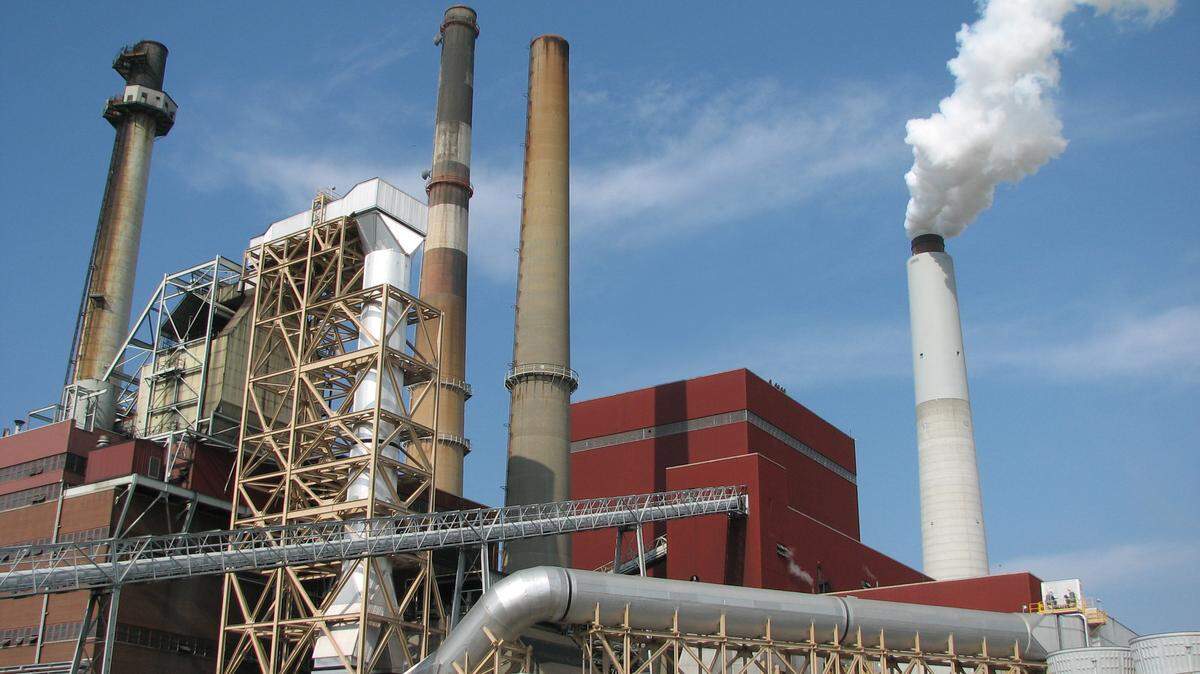
There's no doubt that Kentucky's electricity bills are on the rise, as utilities sort out how much it will cost them to comply with new federal environmental regulations. Kentucky Utilities, the largest electricity provider in Central Kentucky, has asked the state Public Service Commission for permission to increase the average customer's monthly bill more than 12 percent by 2016. The state regulatory body will hear the concerns and questions of Lexington residents Wednesday night at a public meeting at Bryan Station High School.
But this case is far different than those that are familiar to most people. It's not about base rates, which look at the price for a kilowatt hour of electricity. It's about the environmental surcharge you find on your bills.
The difference is stark. Rate cases typically see utilities ask the commission for a large increase, almost always to find themselves receiving something less. In fact, there have been occasions when the PSC has said rates had to fall instead of rise.
In the case of environmental surcharges, though, the commission is far more restricted. State law is structured so that the presumption is utilities will be able to recover their costs because federal law requires them to adhere to the new standards.
It leaves far less room for debate and hammers home the idea that Kentuckians must realize "the only defense against rising electric rates is really to use less electricity," said PSC spokesman Andrew Melnykovych.
And there's no shortage of ways to make that happen. Electric companies offer a number of energy-efficiency programs that they hope will see increased interest from customers, and there are non-profits around to help, too.
Making sense of increases
Behind the increases are recent rules adopted by the federal Environmental Protection Agency. Among the changes affecting Kentucky utilities most is stronger regulation of mercury. Mercury is emitted in coal combustion and becomes part of soot.
"One of the big things utilities are having to do now to comply with the upcoming mercury standard is to install better pollution controls to limit soot emissions," Melnykovych said.
Another rule further regulates coal ash impoundments, which affects KU as well.
The general consensus nationwide is that energy created with coal was the biggest loser in the new round of regulations, and that means much change for a state in which more than 95 percent of electricity is produced by coal.
The regulations have utilities analyzing the best ways to produce energy going forward. East Kentucky Power Cooperative, which made a wave of improvements in recent years as part of settlements to EPA lawsuits, has hired a consultant to examine its plants. The consultant's report is expected to be completed next year, spokesman Nick Comer said.
As a result of the new rules, Duke Energy, which operates in Northern Kentucky, plans to retire an Ohio-based unit that supplies power to Kentucky. Kentucky Power's lone plant in the state, Big Sandy, north of Louisa, also is being examined.
The utility is considering whether to turn it off and restart it as a natural gas-powered unit, said spokesman Ronn Robinson. Another option is to install scrubbers to reduce emissions, but that would cost hundreds of millions of dollars, he said.
"It's all going to be very expensive and will all be reflected eventually in costs to ratepayers," Robinson said.
KU became the first utility to reveal its plans when it announced in May it would ask the PSC for permission to charge customers $1.1 billion to upgrade its Ghent and E.W. Brown plants. It plans to retire two others and will unveil this month how it will replace that capacity.
For a residential customer using 1,000 kilowatt hours a month, the initial monthly increase would be $1.13 during 2012 and the maximum would be $9.46 a month in 2016, according to the utility.
"We do understand the financial burdens we're putting on our customers, but we always have been and will continue to comply with the EPA regulations," spokeswoman Chris Whelan said.
Saving on your bill
So what can electric customers do in the face of such powerful headwinds? Lots.
"We offer a variety of programs that help educate our customers about how to use energy wisely and gives them incentives to use energy wisely," Whelan said.
The same goes for other utilities and a number of organizations that offer assistance.
But the interest hasn't been as high as many would hope.
"It's not like a huge amount of people are calling us every day," said Gina Chamberlain, executive director of the Berea non-profit home energy auditor Home Energy Partners. "I think there were some folks in the industry who thought the market would be much larger than this.
"It'll grow, but it'll be slow-growing as these jumps in bills happen."
Elizabeth Crowe, executive director of the Kentucky Environmental Foundation, said there was still an incorrect stereotype that "energy efficiency means lights off — that you're going to be reading by candlelight and shivering."
"Energy efficiency is about using it more wisely and not suffering," she said.
One easy solution, she said, is to caulk around windows and other leaky areas.
"One tube of caulk in the right places will solve a lot of problems with leaking through holes and cracks that individually might not seem like much but together can mean a lot of energy wasted," she said.
One KU program that reduces bills is its demand conservation option, in which the utility controls a resident's air conditioner and cycles it off at times during the hottest days of the year to reduce the amount of energy that must be produced at certain times. It doesn't necessarily reduce energy usage because cycling times are just moved to other times of the day, but customers receive a $5 discount on their monthly bills during June, July, August and September.
Between KU and its sister company, Louisville Gas & Electric, a little less than 10 percent of customers are enrolled. To help spur more interest, KU has asked the PSC for permission to tweak the incentives further.
One of the obstacles to increased usage of energy-efficiency programs is Kentucky's historically low rates, said Tona Barkley, vice chairwoman of a collaborative organization bringing together environmental groups with East Kentucky Power leadership.
"I do think that as bills go up and hopefully the threat of climate change becomes more real to people, they're going to understand how important that is," she said.
Melnykovych of the PSC said the experience nationwide is that higher bills should kick-start more interest. Just look at gasoline prices, he said.
"What happens when the price of gasoline goes up?" he said. "People start driving less, which is energy conservation, and they start buying more fuel-efficient vehicles, which is energy efficiency. ...
"We've got a lot of opportunities in Kentucky to make relatively modest investment in energy efficiency and reap a fairly substantial return."
An emerging program that's gaining favor is on-bill financing that allows people who might not be able to afford energy-efficient improvements to pay for them slowly as part of their monthly bills.
One such program is How$martKY, which is organized by the Mountain Association for Community Economic Development and four rural cooperatives in Eastern Kentucky.
Another outside organization is Kentucky Home Performance, a partnership of state organizations. Ken Slattery, a program director, said higher bills this summer linked to air-conditioner use have generated more interest in the organization's home assessments.
Since the program was launched late last year, it has seen 200 completed jobs in which residents have had more energy-efficient appliances installed and received the promised monetary incentives that come with the change.
The program has put most of its funding into the incentives instead of advertising and is relying more on word-of-mouth referrals for now, he said.
Barkley noted, too, that raising the profile of energy efficiency is going to "take a lot more than just putting it out there and doing some advertising."
"There's going to have to be a lot more of a one-on-one interaction with customers, members and clients," she said. "It's going to take more staff people to make these things work."
Brighter future? Maybe not
The EPA continues to examine other rules, making it "impossible to predict where that's all going to shake out," Melnykovych said.
"The big thing looming out there that nobody knows what's going to happen with is carbon," he said. "Those are things that are not even factored into this round of environmental compliance costs."
For KU, it also has to determine how to replace the energy it will lose when it retires two of its coal-fired plants. That probably would amount to hundreds of millions of dollars.
But even with those costs, Kentucky Power's Robinson has a sobering message for consumers used to cheap power.
"Even if we didn't have to do anything at our Big Sandy plant to comply with the EPA, you can still expect the price of electricity to increase," he said. "It's like any other item or consumable good, you're going to have increased costs related to operating your business.
"The more you can help offset your usage, the more you're going to save yourself."
This story was originally published September 6, 2011 at 12:00 AM with the headline "To pay less as electric rates rise, Kentuckians will have to be pro-active."