
Kentucky charter schools are a signature away. What happens next?
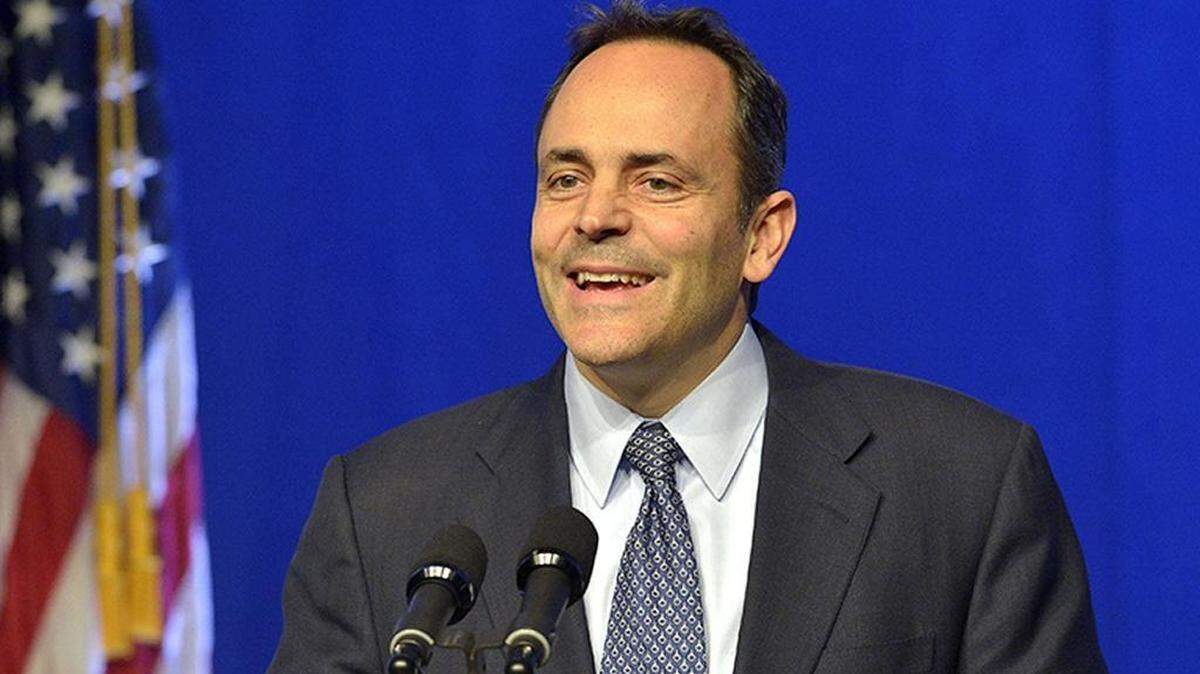
Now that charter schools in Kentucky await only the signature of proponent Gov. Matt Bevin, school boards across the state, and mayors in Lexington and Louisville, could accept charter school applications in the 2017-18 school year.
Educators, school and government officials, and the staff of education groups, are working on how to deal with public charter schools in the state for the first time. School boards in Kentucky can approve an unlimited number of charter schools under the legislation passed by the General Assembly.
After the bill is signed, the next step for Kentucky would involve creation of regulations for charter schools, said Nancy Rodriguez, a spokeswoman for the Kentucky Department of Education. That could take six months or longer to complete, depending on the process. It involves crafting the regulations, and approvals by the Kentucky Board of Education, reviews by legislative committees and a public hearing.
In February, Fayette County Public Schools staff unveiled a process described as “rigorous” for applicants who want to start new schools and programs in the district. Documents distributed at a school board planning meeting said that with the process, Fayette County Schools would be prepared for charter school legislation.
The 37-page charter school bill and the multi-faceted Fayette plan share some similar criteria. In both, applicants who want to open new schools will have to explain how the school’s proposed educational program is likely to improve the achievement of underserved students.
In both, the applicants would have to explain their plan for curriculum and staff, and the school’s focus, policies and tests.
Fayette County Superintendent Manny Caulk said Friday that it would be premature to talk about how the district’s new process will align with the charter school bill.
District officials are reviewing the legislation, “and I’m sure we will have further questions that will most likely be addressed through regulations” implemented by the Kentucky Department of Education, Caulk said.
Under the bill passed by the General Assembly, teachers, parents, school administrators, citizens, public organizations, non-profit organizations or a combination of those can apply to start a charter school. That group could contract with a management organization. A teacher employed by a local school board could be granted a two-year leave of absence to teach at a charter school.
Charter schools would get freedom and flexibility in exchange for “exceptional levels” of results. But public charter schools would be held to many of the same standards — involving criminal background checks for staff, open records and the student instructional year — as traditional public schools.
The mayors of Louisville and Lexington can give written notice to the state board of education if they want to authorize — approve and oversee — charter schools.
A joint statement from the school district and the Urban County Government, released Thursday, said Lexington Mayor Jim Gray and Caulk “have had an initial meeting on charter schools.”
“While Mayor Gray will rely upon the superintendent’s expertise concerning charter schools, they will continue to work together toward a common goal: to provide the best education for Fayette County students,” the statement said.
In public charter schools, an organizer would enter into a performance-based contract, or charter, with the local school board or mayor of Lexington and Louisville, that spells out the school’s governance, funding, accountability and flexibility. A public charter school would be part of the state’s system of public education.
The earliest that a charter school is likely to open is fall 2018, officials say, and it often takes new schools a year or two to open.
Amanda Stamper, a spokeswoman for Bevin, didn’t say when the governor would sign House Bill 520. But Bevin released a statement praising the legislation’s passage and saying he thought that charter schools could raise academic achievement among struggling students.
“This historic charter school legislation represents a truly momentous step forward in providing quality choices for Kentucky’s most vulnerable students,” Bevin said. “The legislation is long overdue and creates the promise of real opportunity for young people and their parents where hope does not currently exist.”
The legislation says that one purpose of a charter school will be to close the achievement gap between high-performing and low-performing groups of public school students. Educators have said that children of color, low-income children and children with special needs have fallen into the achievement gap.
If charter schools offer interscholastic athletics, it appears that students would have to follow the rules of the Kentucky High School Athletic Association under the legislation.
KHSAA commissioner Julian Tackett said Thursday night that there were many “last-day and last-minute amendments” to the bill that he will need to review as the KHSAA implements administrative regulations for charter schools.
Critics have been concerned that charter schools could try to cherry-pick students to build academic or athletic powerhouses, hurting traditional public schools. But lawmakers working on the bill said language in the legislation guards against that.
Tackett said charter school athletics is “new territory” for Kentucky, but he will look to the other 43 states with charter schools to glean information on how they “address any potential issues and prevent athletic manipulation, which certainly wasn’t the purpose of the bill.”
“We will consult with members of the General Assembly and the Department of Education and take steps to protect competitive integrity,” while not inhibiting academic progress at Kentucky’s traditional public schools, which are members of the association, Tackett said.
Kentucky School Boards Association spokesman Brad Hughes said, “We absolutely will be providing training and other assistance to school boards” when they start to approve charter schools.
Fayette County and Jefferson County are the first school districts where charter school applications are expected.
Valarie Honeycutt Spears: 859-231-3409, @vhspears
This story was originally published March 17, 2017 at 3:29 PM with the headline "Kentucky charter schools are a signature away. What happens next?."