
Medicaid changes could save Kentucky money; others to lose benefits
Proposed changes to Kentucky’s Medicaid program could save state taxpayers an extra $27 million while costing an additional 9,000 people their health coverage.
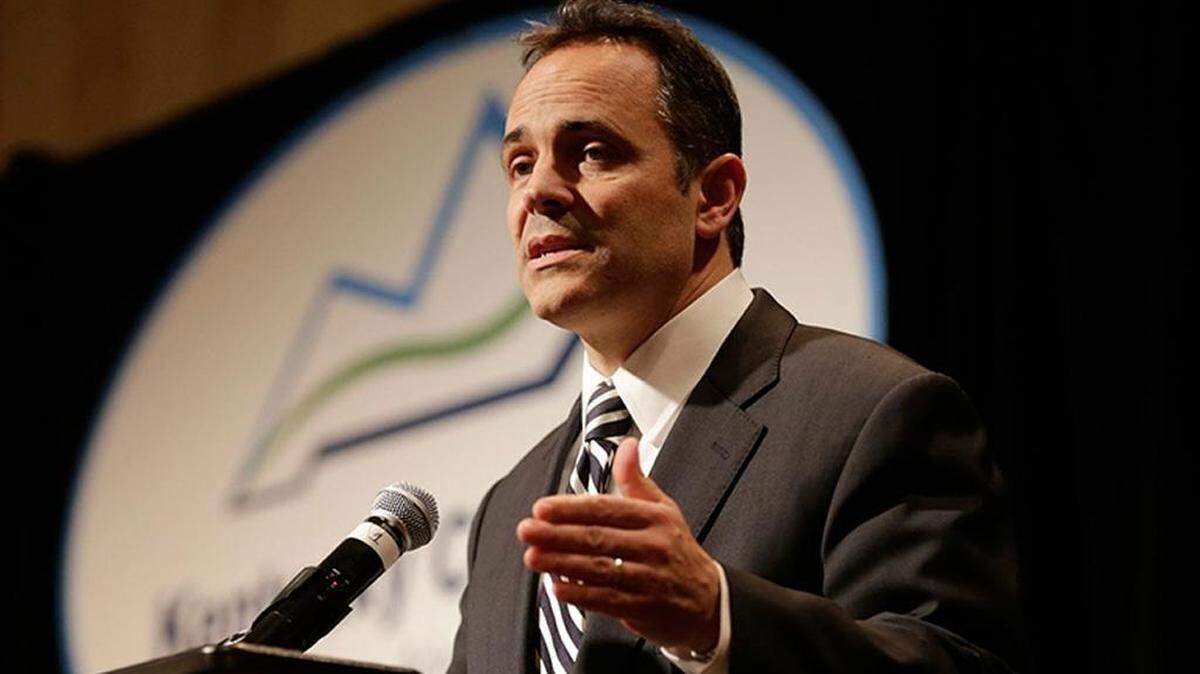
Those are both projections for Republican Gov. Matt Bevin’s updated plan to overhaul the state’s Medicaid program, the joint federal and state health coverage program for the poor and disabled.
State officials estimated the original proposal would save Kentucky taxpayers $331 million by 2021 while potentially causing up to 86,000 people to lose their Medicaid coverage. The updated plan increases the savings to $358 million while projecting as many as 95,000 people could lose their coverage by 2021.
People could lose their Medicaid coverage for a number of reasons. Some would work more because of the new rules and would make too much money to qualify for the program, thus moving to the private insurance market. Bevin has said this is his primary goal. Others would lose their coverage because they did not pay their new monthly premiums or they did not meet “community engagement” requirements, which call for people to work or volunteer for up to 20 hours each week.
Kentucky was one of 31 states that expanded their Medicaid programs under the federal Affordable Care Act to cover childless adults with a certain income level. Former Gov. Steve Beshear made that decision, which added more than 400,000 people to the state’s Medicaid rolls. Beshear is a Democrat who supports the federal law commonly known as “Obamacare.”
Bevin, a Republican, opposes that law. He said the state can’t afford to pay for all the new people on Medicaid, especially while facing a multibillion-dollar public pension debt. Last year, Bevin asked the federal government for permission to change the portion of the Medicaid program that covers this new population.
Bevin’s plan calls for those Medicaid recipients to pay small premiums of as much as $15 per month. And beneficiaries would, for the first time, have to have a job or volunteer for at least 20 hours per week to keep their benefits. Those requirements would not apply to everyone. Children younger than 19, pregnant women, primary caregivers for children or disabled adults, the medically frail and full-time students would be exempt.
Monday, Bevin altered this proposal. Now, people could lose their Medicaid coverage for up to six months if they got a new job or salary and did not let state officials know about it so they could double-check their eligibility for the taxpayer-funded program.
In a document outlining the proposed changes, state officials called this new penalty a “learning tool” to help people on Medicaid understand “the importance of maintaining accurate information to maintain insurance coverage, helping further prepare enrollees for commercial market insurance policies.”
Dustin Pugel, a research and policy associate for the Kentucky Center for Economic Policy, said he believes the changes will cause more people to lose their Medicaid coverage. That’s because many of the people on Medicaid have jobs with variable income, including retail, restaurant and construction jobs. If those people fail to notify the state of their frequent changes, they could lose coverage for up to six months.
“If my salary changes while I am an employee with employer coverage, nothing changes with my health insurance,” he said. “I don’t understand how this helps inform anybody of how employer coverage works.”
Other changes include eliminating a phase-in period for the work and volunteer requirements and canceling a plan to expand Medicaid enrollment centers.
“These proposed program operational modifications are a logical outgrowth of the original waiver application, and are minor revisions resulting from the Commonwealth’s ongoing program development efforts and continued negotiations with the Centers for Medicare and Medicaid Services,” said Doug Hogan, spokesman for the Kentucky Cabinet for Health and Family Services.
Last week, Bevin said he expected the federal government to approve his proposal “in the next few days and weeks.” But any approval would likely come after a 30-day comment period. The comment period is not required, but state officials are holding it anyway, along with two public hearings: one July 14 in Somerset and the other July 17 in Frankfort.
This story was originally published July 3, 2017 at 5:05 PM with the headline "Medicaid changes could save Kentucky money; others to lose benefits."