
40 years of reviews: Our music critic’s stories behind the scenes at Kentucky concerts
The era is upon me where life, and all the joys and perceived hardships that go with it, is expressed by the accelerating passage of time.
Instead of mailed invitations imploring me to join AARP, I now receive “friendly reminders” from funeral homes dropping the subtle hint, “You can never plan too early.”
My visits to the doctor invariably include this preface when explaining my latest bodily aches: “Well, when you get to be your age…”
I find myself surrounded by anniversaries – work milestones, family birthdays, surgeries.
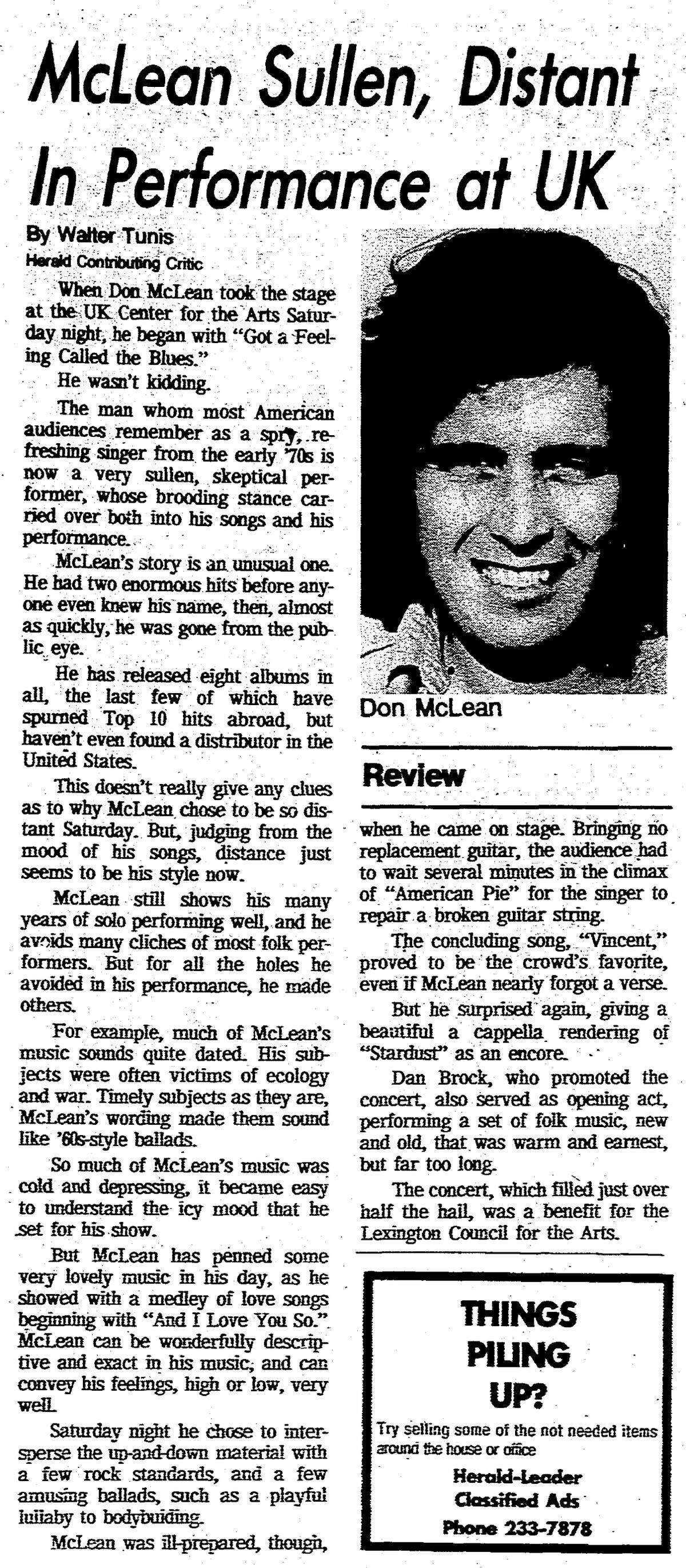
I would like to share with you a rather special anniversary I’m currently celebrating. It was 40 years ago this week that my first music article was published in the Herald-Leader. The story was a review of a Don McLean concert at the Singletary Center for the Arts that I didn’t particularly care for. Right out of the starting gate, I earned hate mail. My journey had begun.
In the four decades since then, what I have learned from the music created either by Kentuckians or esteemed guests visiting our region, has been immeasurable. I grew to appreciate Appalachian music, jazz, bluegrass, all kinds of ethnic and world music, country music of nearly every shade and style, folk music from multiple generations and, yes, rock ‘n’ roll.
I’m not a musician. I’ve never approached reviewing a performance or interviewing an artist from the standpoint of one. I’ve always attempted to write from the perspective of an audience member, but perhaps with an added viewpoint or two generated by a bit of research. Along the way, I’ve encountered readers who have graciously extended their appreciation for what I do along with those who felt I was a certifiable idiot. You can’t have one without the other.
One of my most prized bits of feedback came from the latter camp – specifically, from a patron at a local club many moons ago. He was, shall we say, well-lubricated with an intake of spirits that had begun to claim the precision of his ambulatory skills. Still, he delivered his entire tirade without so much as a hiccup. I remember it word for word.
“Tell me something. Do your editors edit the hell out of what you write or do you just not write anything worth reading in the first place?” Poetry.
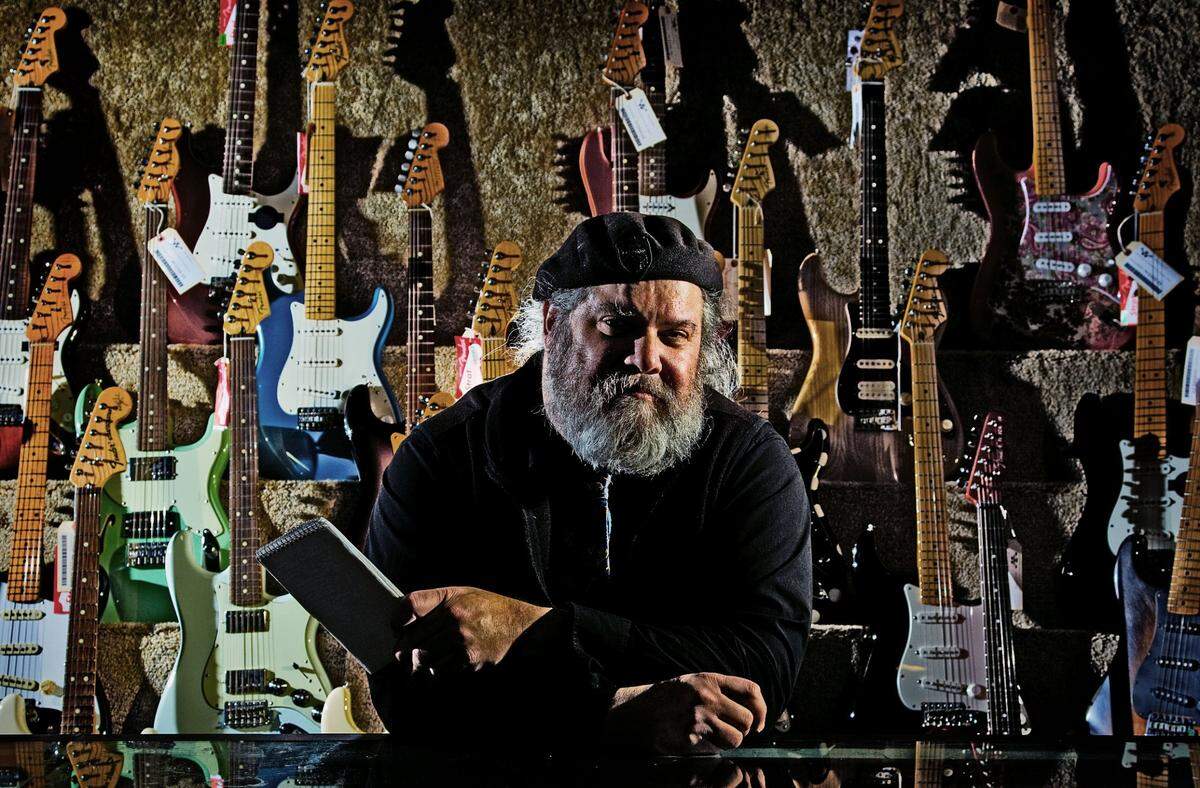
When I say I write from the view of an audience member, what I really mean is an overwhelmingly enthusiastic audience member, one infatuated enough with the music he is writing about that his primary goal is to share that joy with readers. Sure, if a show stinks, it stinks and you say why. But when an event, a recording or some other musical encounter is magical, there is no greater thrill than to write about it. It’s like introducing one of your best friends to someone.
Over 40 years, there has been countless such encounters to share.
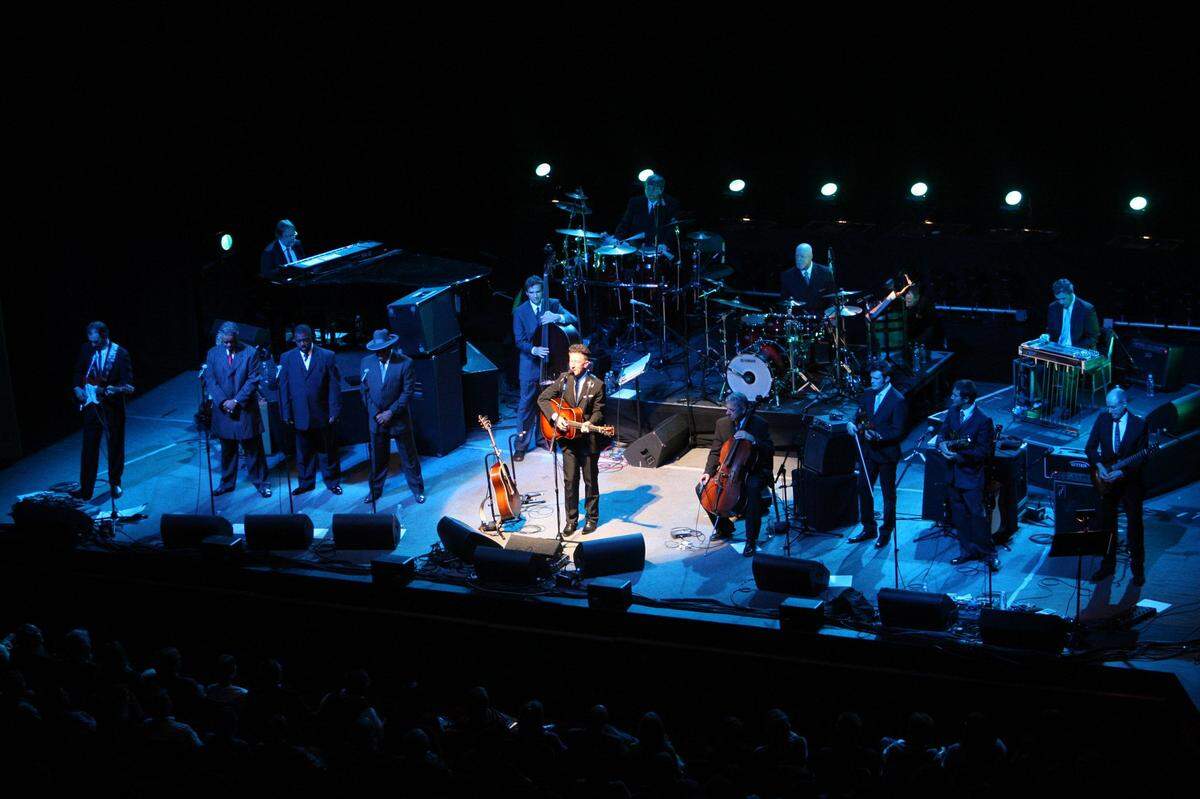
▪ Viewing Lyle Lovett for the first time in 1987 performing at a long-defunct club on Athens-Boonesboro Road called Rhinestone’s where the only African-Americans in the building were the ones onstage in the Texas singer’s Large Band.
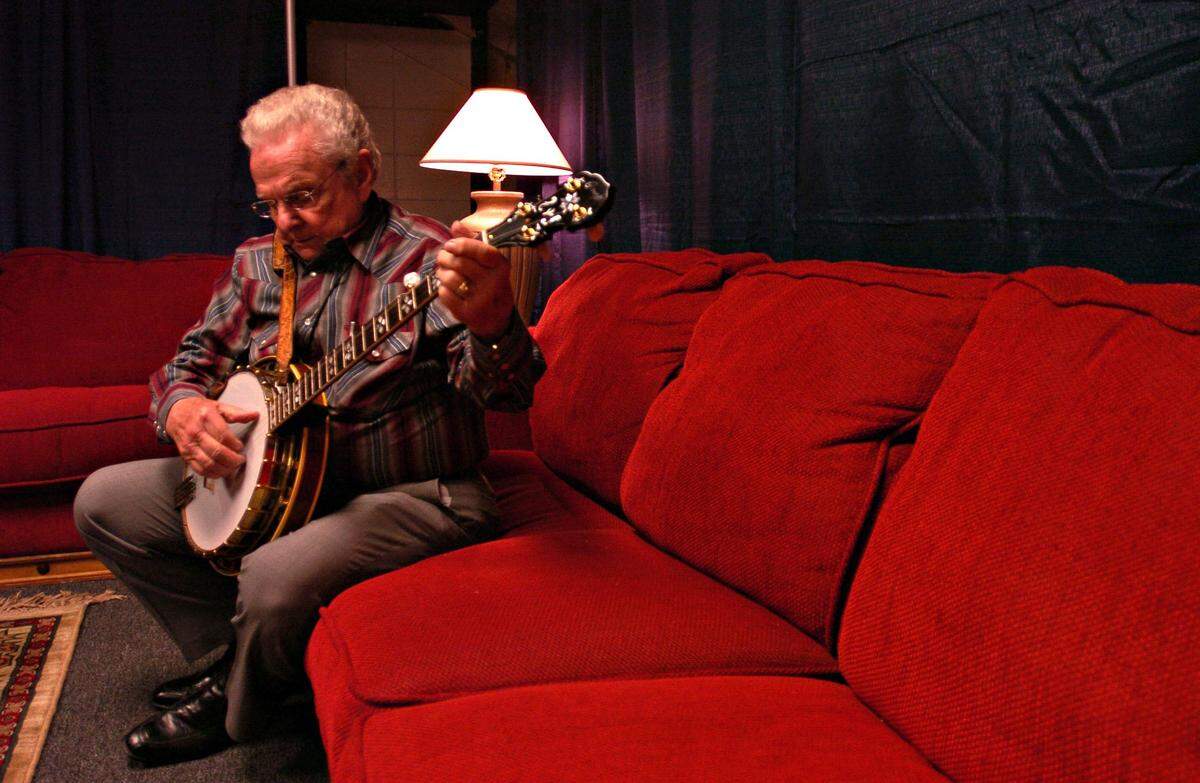
▪ Waiting backstage prior to a performance of the multi-Americana act Great High Mountain Tour at U.S. Bank Arena in Cincinnati with photographer Mark Cornelison for a photo opportunity to present itself to color a preview on the tour’s eventual 2004 stop at Rupp Arena. One did. Ralph Stanley walked up and asked if we would like to take pictures of him playing clawhammer banjo in his dressing room. Mark and I looked at each other, somewhat dumbfounded. “Yes sir, Dr. Ralph. That would be very nice, thank you.”
▪ Experiencing the meshing of multiple soul music generations with the incomparable spirit of Sharon Jones, announced properly from the stage at Buster’s in 2010 as “the most brilliant star in the Daptone soul universe,” leading the party.
▪ Listening to a profound but soft-spoken Yo-Yo Ma in 2013 discuss balancing the needs of family life with the demands of a career. “I could be really depressed on the road. It could be ‘Death of a Salesman,’ but it is definitely a switch you turn on. I would get pretty despondent before leaving. I would get sick to my stomach. It would be awful. But once I leave, the choice has been made. The next stage is attitude. That’s the philosophy that leads you to being appreciative and grateful. I am despondent about not being there for my daughter’s play or my son’s soccer game, but I’m also grateful that I have a job. I’m grateful that someone wants me to hear me play.”
.JPG "photo_of_Ian_McLagan_by(2).JPG")
▪ Interviewing Ian McLagan, veteran British keyboardist for the Faces and the Rolling Stones ahead of a 2014 performance for the “WoodSongs Old-Time Radio Hour” and being taken the boundless and genuine joy he still exhibited for his craft after a 50-year career. Six weeks later, McLagan died from a massive stroke.
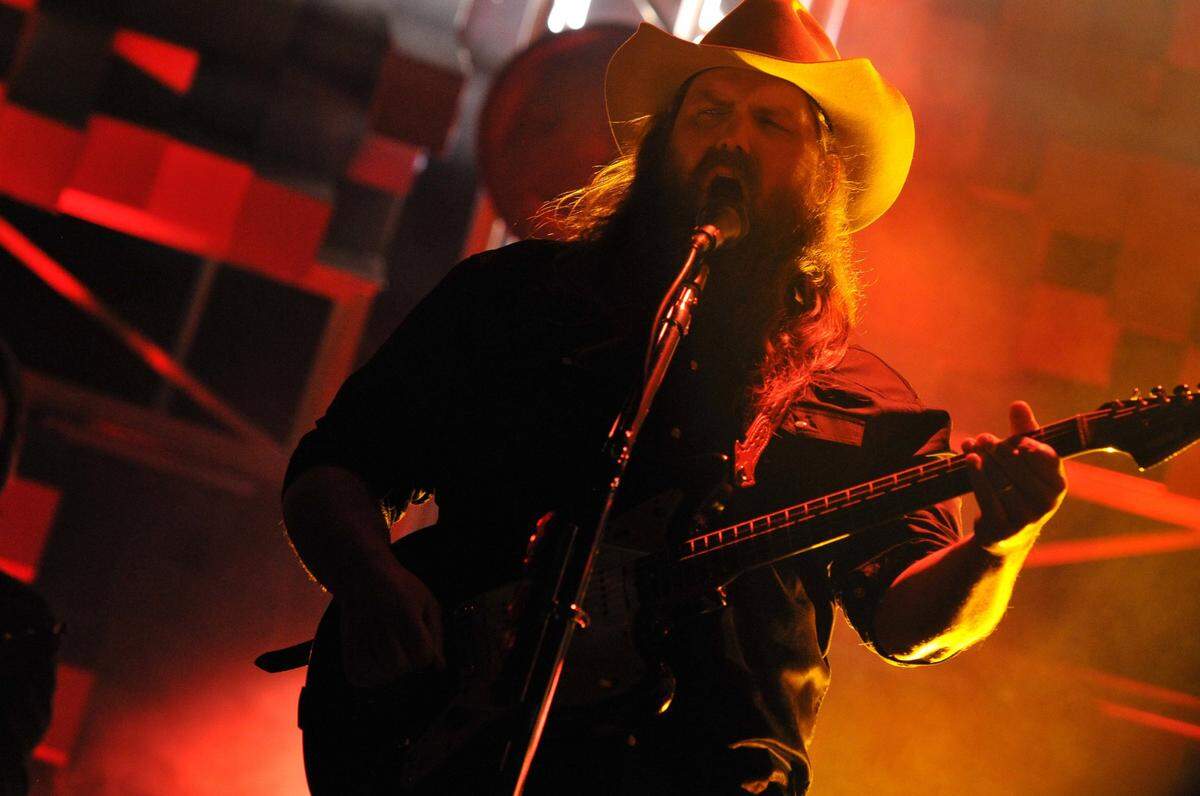
▪ Watching Chris Stapleton play a six-song, solo acoustic set at CD Central on Mother’s Day of 2015. In short order, he was raking in wheelbarrows full of Country Music Association awards, guesting on Saturday Night Live and selling out arenas.
There have been challenges to adapt to, of course, especially in recent years, from a downturn in the newspaper industry that has slashed arts and music coverage everywhere to our current COVID-19 climate.
The latter continues to present a scenario that was unfathomable this time last year: writing about live music when so little live music is able to be made. To counter that, I have spoken with club owners, studio engineers, local and national musicians, festival organizers, radio hosts and many different members of the music community to find out how they are braving a world that has claimed, in varying degrees, their livelihood.
But the work still fascinates, mostly because the music itself continues to inspire and excite. It salvages the worst of days and empowers the best. It remains magical. Getting to write about and share my fascination of that wonder remains one of the great privileges of my life.
Now, back to work.