
Live music in Lexington: What we loved, what we lost and what we have to look forward to
It is an annual ritual to devote at least some level of reflection to the year gone by at the onset of the year at hand. It allows us to take stock, to celebrate our successes and to mourn and perhaps learn from our losses before bracing ourselves for a brave new year of possibilities.
That’s how it usually works. Reviewing 2020 is a little different. It’s kind of like reliving a root canal. You might learn something. You might be better prepared for the future. But think about it long enough and your nerves start to ache all over again.
When we limit our look back to the live music that originated from or visited Central Kentucky over the past year, what we see is frightening. Before us is an industry frozen at almost every level.
From mid-March onward, concert tours evaporated, venues closed (some for good) and a level of live art and entertainment available to us week and after week essentially disappeared. The culprit? The COVID-19 pandemic, of course.
What’s worse, any return to a world of live music akin to the one we knew is not at hand. Even with increasing accessibility to vaccines and the gradual re-adjustment to our old ways of commerce, what we once knew won’t be coming back soon.
When lockdown took firm hold last spring, a grim reality check began to spread regarding the future of performance venues, one that largely originated from the owners and operators of those troubled establishments. Paraphrased only slightly: “We were the first to close. We will be the last to re-open.”
This then this a reluctant look back at a scorched but not entirely ruined year, a time when the importance of live music was perhaps never greater because its availability was never scarcer.
Before Lockdown
Remember, of course, that 2020 didn’t fully turn sour until the second week of March. Before then, we had a wealth of fine music pour through local venues and concert halls. Here is a quick look back at the wide stylistic breath of the performance that played Lexington last winter, when the climate for live music, ironically, was still warm and welcoming.
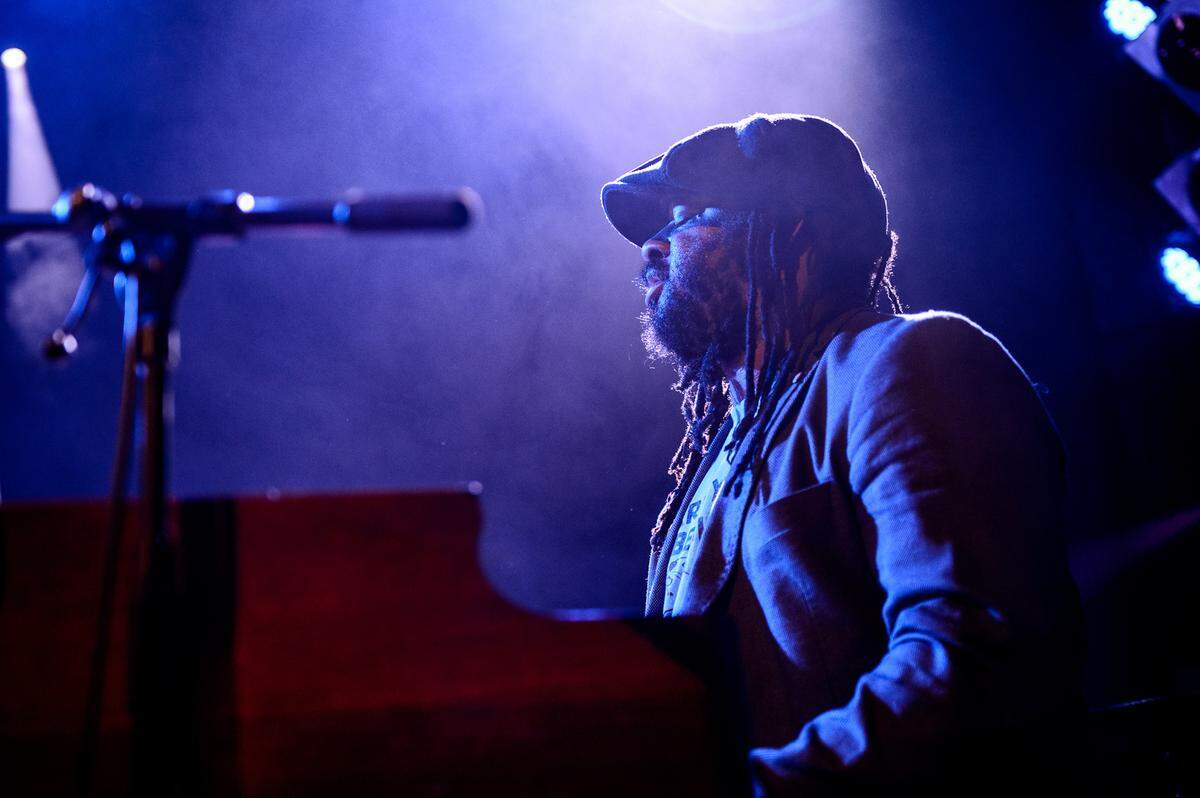
▪ Jan. 12: The Delvon Lamarr Trio at The Burl. Using B3 organ at the music weapon of choice, the Lamarr Trio became a groove-centric jukebox, transforming vintage rock, r&b and country tunes into early ’70s jazz and soul.
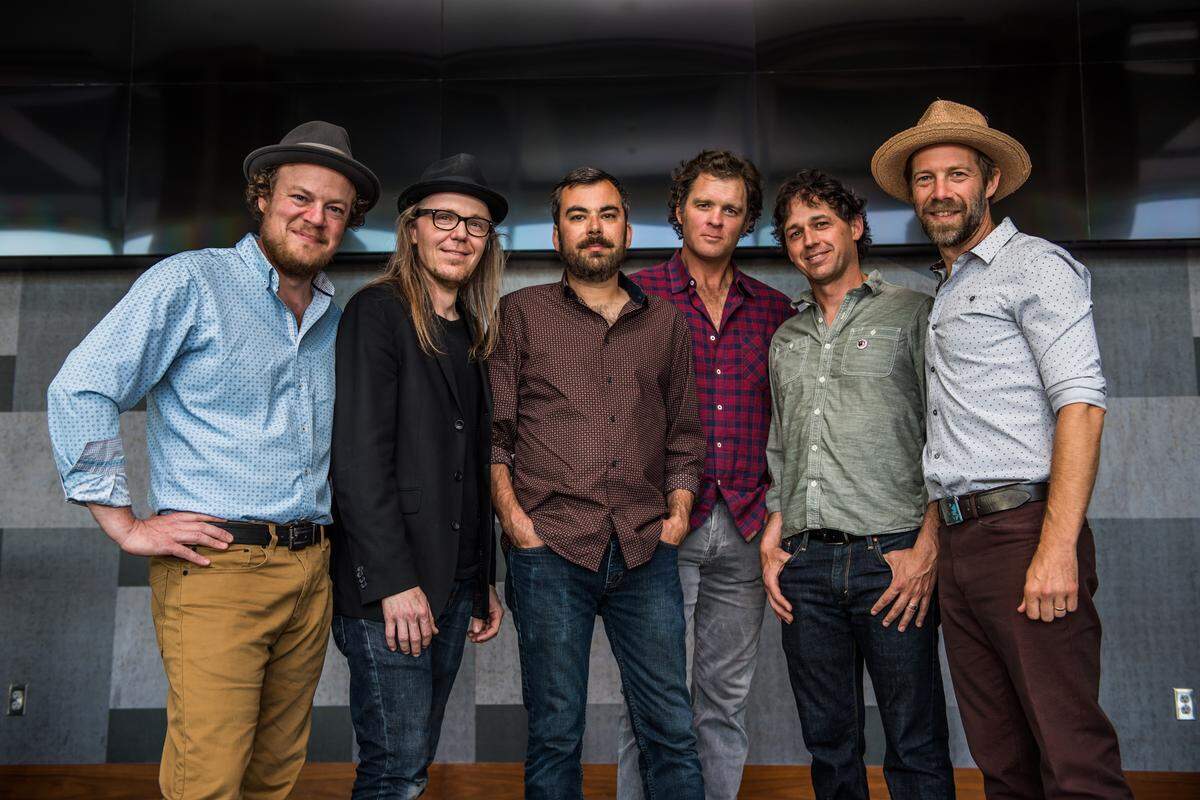
▪ Jan. 18: Steep Canyon Rangers at Manchester Music Hall. Bluegrass in origin, the Grammy-winning North Carolina ensemble steered clear of string band sheen for a stylistically broad and emotively dark Americana overview.
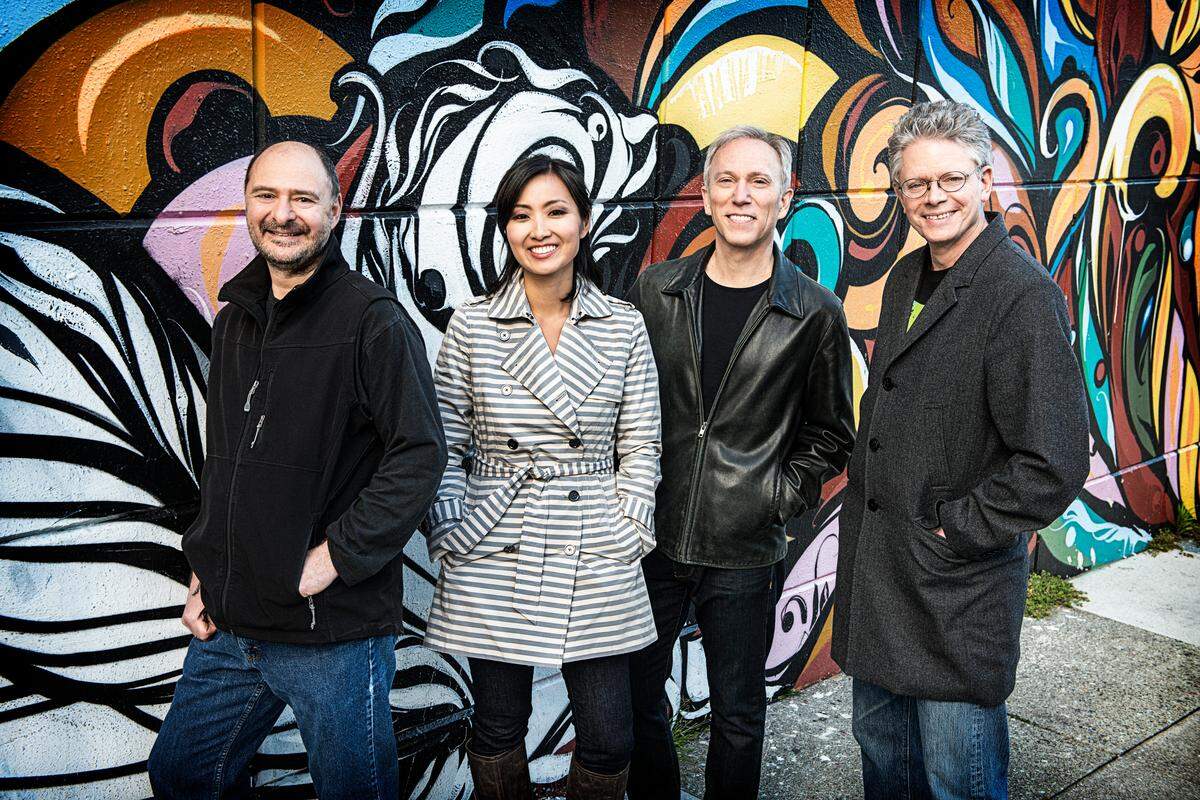
▪ Jan. 28: Kronos Quartet at Haggin Auditorium of Transylvania University. From Middle Eastern missives to Civil Rights Era requiems to an achingly beautiful “God Shall Wipe Away All Tears,” this was the vanguard string quartet at its craftiest.
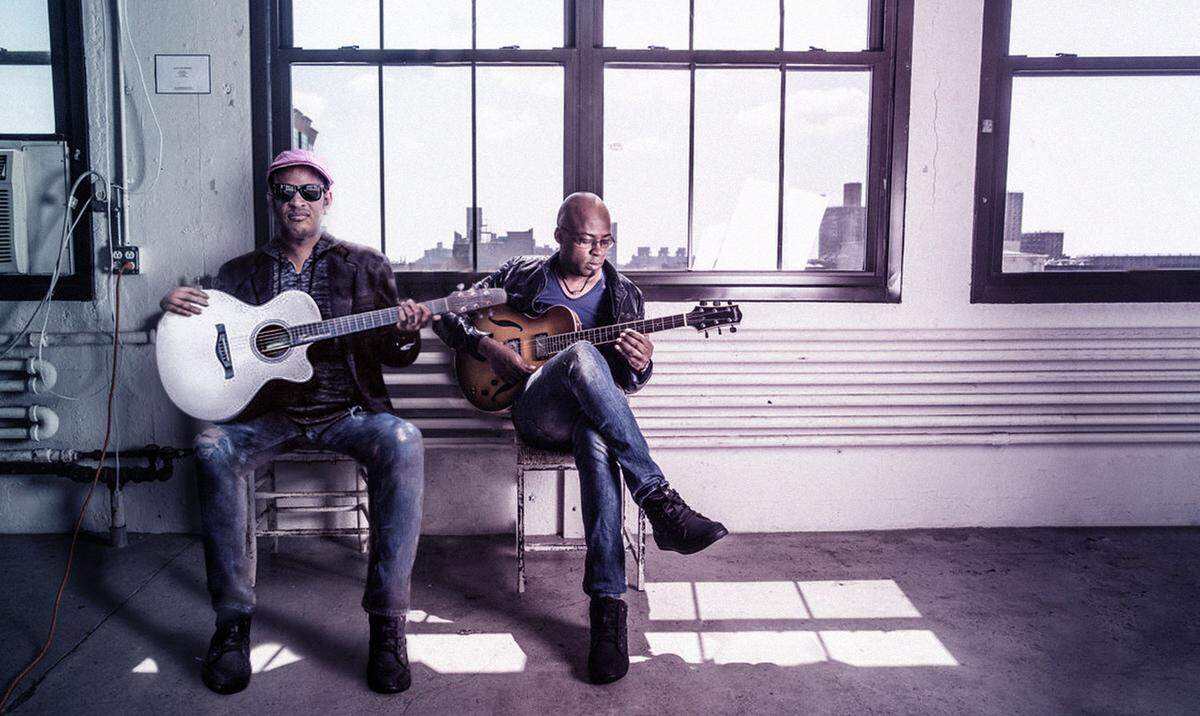
▪ Feb. 22: Raul Midon and Lionel Loueke at the Singletary Center for the Arts. A world view of melodies as presented by two distinct yet complimentary singer/guitarists – New Mexico native Ridon and the Benin-born Loueke.
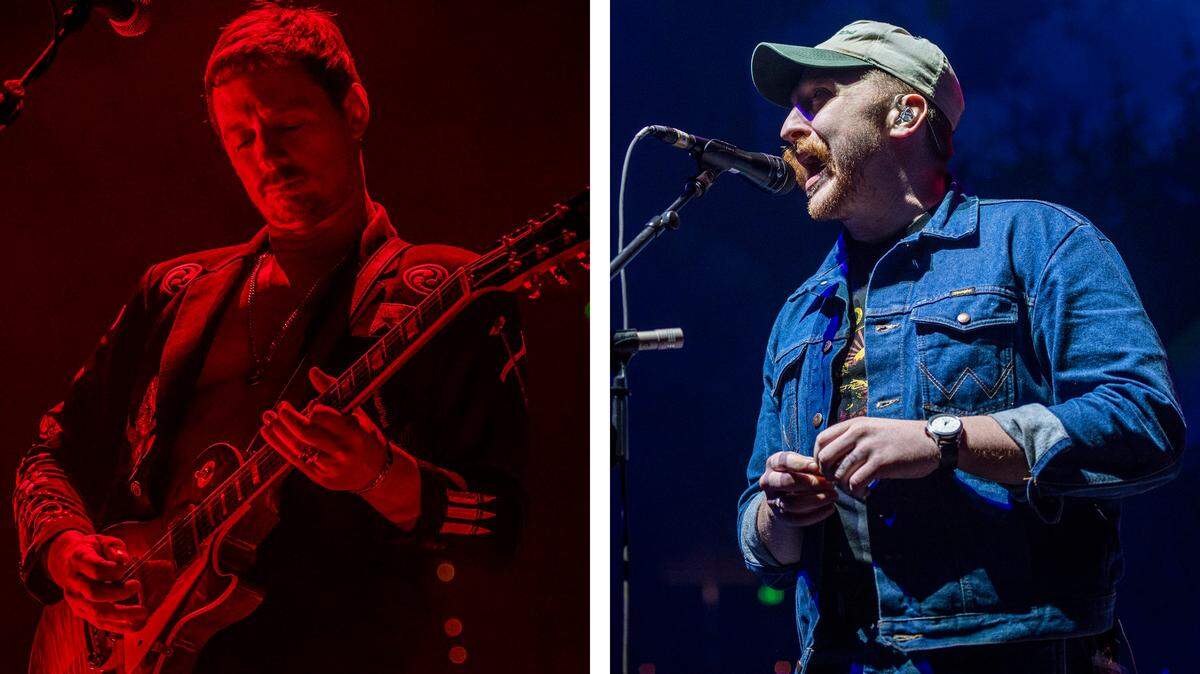
▪ Feb. 28: Sturgill Simpson/Tyler Childers at Rupp Arena. A homecoming for two Kentucky stylists who cut their musical teeth in local clubs. Simpson favored the glammed-up rock and pop from his “Sound & Fury” album, Childers offered the champion country yarns from “Purgatory” and “Country Squire.”
▪ March 7: Marty Stuart and his Fabulous Superlatives at the Opera House. On the last Saturday night before lockdown, roots music scholar Stuart merged generation-spanning country songs, psychedelic roots music and even a surf tune into an expansive, joyous Americana pageant.
Those we lost
Who did we lose in 2020? Well, as far contemporary music was concerned, we lost an army of giants.
A partial list of those who died in the past year: Guitar hero Eddie Van Halen, rock ‘n’ roll forefather Little Richard, Lone Star songwriter Billy Joe Shaver, Rush drummer Neil Peart, Gang of Four chieftain Andy Gill, jazz keyboardist Lyle Mays, Ladysmith Black Mambazo founder Joseph Shabalala, Kraftwerk co-founder Florian Schneider, country/Southern rock mainstay Charlie Daniels, country/pop vocalist Kenny Rogers, British guitarist and Fleetwood Mac co-founder Peter Green, Americana song stylist Justin Townes Earle, reggae star Toots Hibbert, pop songstress Helen Reddy, rock guitarist and Mountain frontman Leslie West, Texas country stylist Jerry Jeff Walker, country singer Charley Pride and, as recently as Christmas Day, bluegrass guitar pioneer Tony Rice.
But if there was a face to place on the loss experienced in 2020, it would belong to John Prine.
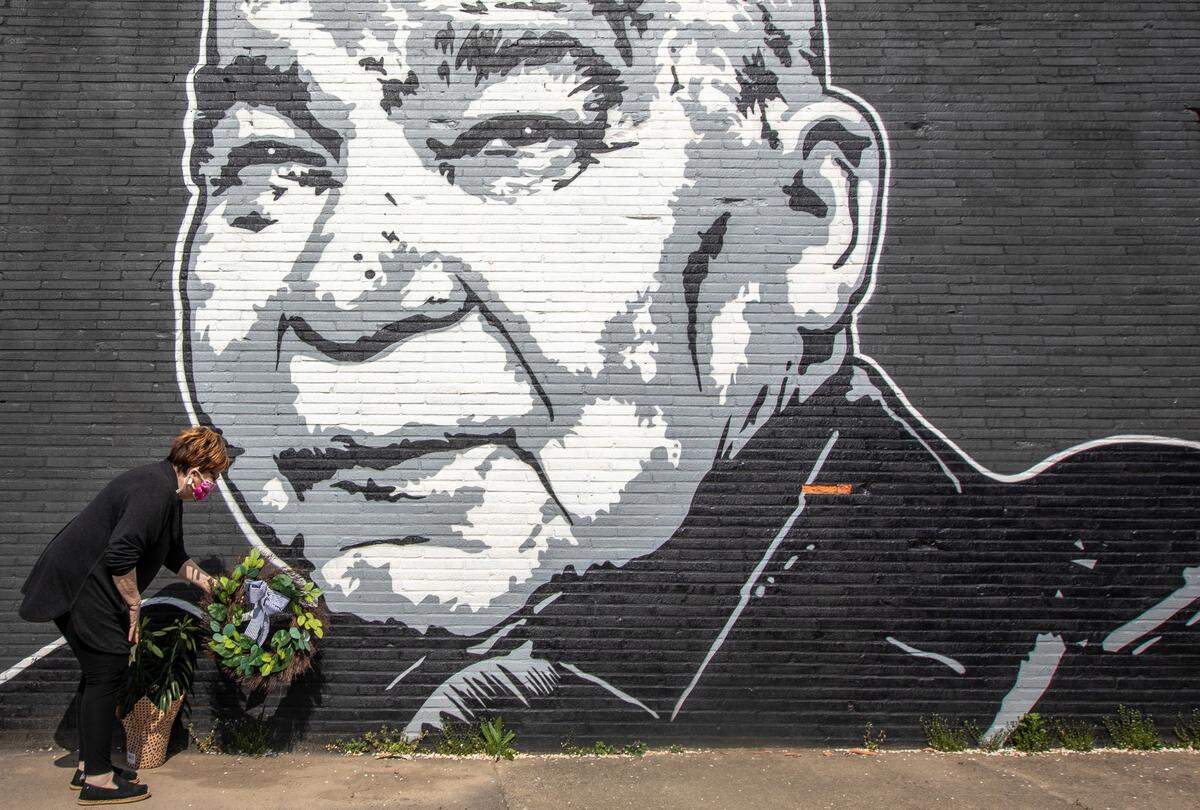
That’s partly because of regional connections. The beloved songsmith spent summers in his youth in Muhlenberg County, eventually composing a ballad about his second home, “Paradise,” that served as a chronicle of personal, cultural and ecological loss.
But there was also the fact that Prine was one of the first high profile deaths attributed to COVID-19.
That’s not to take away from the devastating numbers – now exceeding 300,000 – lost in this country alone to the coronavirus. But when Prine succumbed in April, the reach and severity of the pandemic edged its way deeper into our collective consciousness by claiming a long-heralded artist in the midst of a massive career renaissance.
What comes next
When live music disappeared from clubs and nearly every major summer music festival was called off (including Railbird, The Moonshiners Ball, Festival of the Bluegrass, Crave Lexington and more), attention turned to streaming. No one expected it to replicate the concert experience for audiences or compensate for lost revenue for clubs and artists, but streaming was at least a way to maintain visibility.
Cosmic Charlie’s was among the first to make extensive use of broadcasting livestream concerts from an empty club, but it was not enough to save the venue. Cosmic Charlie’s closed the doors to its third and final location in May.
The Burl modified concert presentations to deal with the demands of social distancing. Its solution was it keep the club’s indoor quarters closed while staging outdoor shows in the parking lot. The concept peaked in early November with a sold-out, three-night engagement by Cincinnati rock and folk artist Arlo McKinley.
With winter at hand, though, even that limited option is off the table until spring.
Some are banking on a sunnier climate for at least part of 2020. No sooner was the cancellation announced to the sophomore edition of Railbird, the two-day festival of national and local acts at Keeneland that proved a major hit during its inaugural year, than festival organizers announced dates for reconvening the event in August 2021.
No one knows where the pandemic will stand by then, but just having a festival on the books, even if its eight months away, suggests a way out of COVID-mania is within our grasp.
This story was originally published December 28, 2020 at 12:08 PM.